
You don’t need another gadget blinking at you at 2 a.m. You need quieter breathing and deeper sleep. And you need a plan that doesn’t ignore safety.
Thesis: An anti snoring mouthpiece can be a practical home option for simple snoring, but the smartest move is pairing it with basic screening and clean, documented use.
Is snoring “normal,” or is it hurting sleep quality?
Snoring often gets treated like relationship background noise. It becomes a running joke, a guest-room negotiation, or a travel problem when jet lag hits and you crash on your back.
Still, snoring can fragment sleep. Even if you don’t fully wake up, your body may spend less time in the deeper stages that support mood, focus, and recovery.
What people are talking about right now
Sleep tech is everywhere. Rings, mats, apps, and “biohacking” routines promise better nights. At the same time, more headlines are reminding people that snoring is not always harmless, especially when it overlaps with signs of sleep apnea or heart health concerns.
If you’re exhausted at work, running on caffeine, and waking up unrefreshed, it’s worth taking snoring seriously. Not dramatically. Just seriously.
Could this be sleep apnea (and why that matters before you buy anything)?
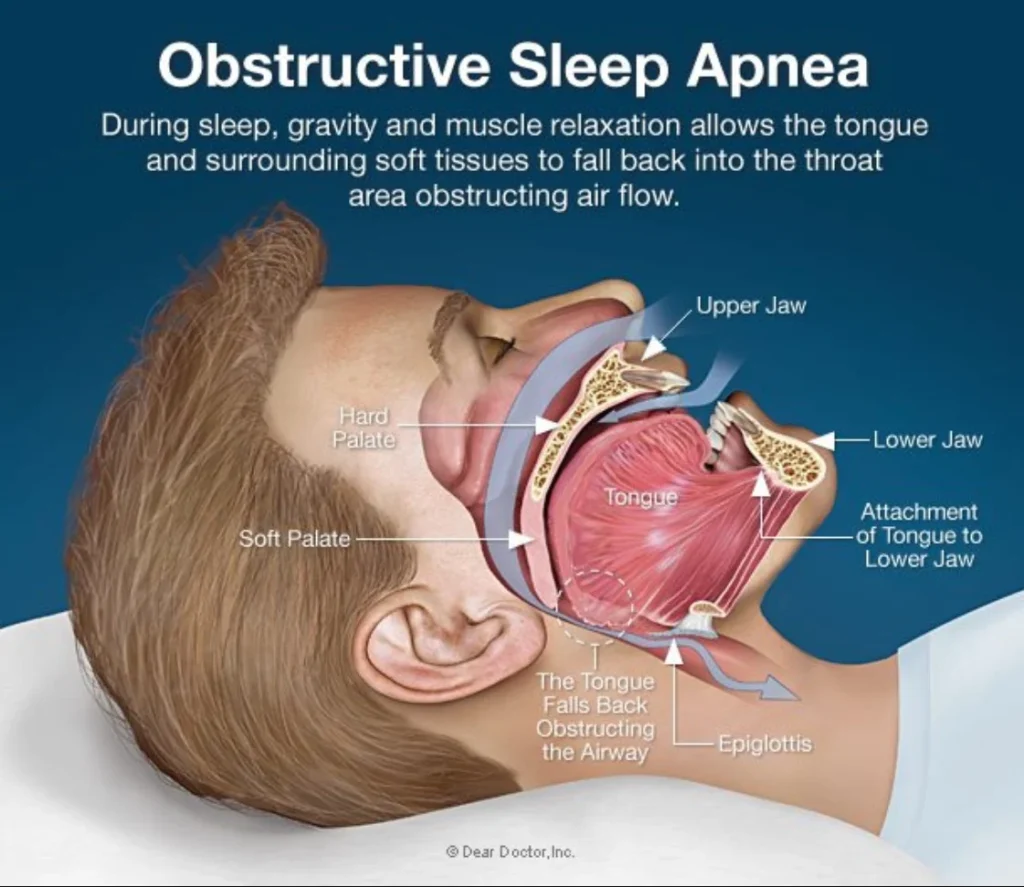
Snoring can happen without sleep apnea. But sleep apnea is a different category because it involves repeated breathing disruptions during sleep.
Screen first if you can. Pay attention to patterns, not one-off bad nights after a late flight or a stressful deadline.
Red flags to take seriously
- Someone notices breathing pauses, choking, or gasping
- You wake with headaches, dry mouth, or a sore throat often
- Daytime sleepiness that affects driving, focus, or mood
- High blood pressure or heart risk factors, especially with loud snoring
If any of these fit, talk with a clinician about screening and testing. For a plain-language overview, see What is Sleep Apnea?.
What exactly is an anti snoring mouthpiece, and what does it try to do?
Most anti-snoring mouthpieces aim to keep your airway more open while you sleep. They usually do this in one of two ways: by gently positioning the lower jaw forward (common) or by stabilizing the tongue.
When the airway stays more open, tissues may vibrate less. That can reduce the sound and, for some people, improve sleep continuity.
Who tends to benefit the most?
- People with “simple snoring” without apnea red flags
- Back sleepers whose snoring worsens in that position
- Those whose snoring spikes with travel fatigue, congestion, or alcohol
How do you choose a mouthpiece without turning it into a risky experiment?
Online reviews are loud right now, including product-style roundups and “does it really work?” takes. Use that energy, but keep your decision grounded.
Focus on fit, comfort, cleaning, and a clear trial plan. That’s how you reduce the chance of gum irritation, jaw pain, or wasted money.
A quick, no-drama selection checklist
- Fit approach: Look for a design that matches your comfort level and can be adjusted gradually.
- Jaw comfort: Plan for a short adaptation period. Stop if you get sharp pain or persistent soreness.
- Materials and hygiene: Clean daily, let it dry fully, and store it in a ventilated case.
- Realistic goal: Aim for “quieter and better-rested,” not perfection on night one.
Document your trial (this is the safety piece people skip)
Write down three things for two weeks: bedtime, alcohol timing, and nasal congestion. Add a simple 1–5 rating for morning energy.
If you share a room, ask your partner to rate snoring volume twice a week. This turns vague frustration into usable data.
What else can improve sleep quality alongside a mouthpiece?
Mouthpieces aren’t the only lever. They work best when you also reduce common snoring triggers.
Small changes that often matter
- Side-sleep support: A pillow setup that keeps you off your back can help some people.
- Nasal comfort: Manage dryness and congestion in a way that’s safe for you.
- Alcohol timing: Many people snore more after alcohol close to bedtime.
- Burnout recovery: When you’re sleep-deprived, snoring can feel louder and sleep feels thinner.
What should you watch for once you start using a mouthpiece?
Pay attention to your jaw, teeth, and gums. Mild, short-lived adjustment discomfort can happen. Ongoing pain is a stop sign.
Also watch your daytime symptoms. If you still wake up unrefreshed, doze off easily, or have witnessed breathing pauses, don’t “upgrade gadgets” as your next step. Get screened.
FAQ: quick answers people ask before buying
Will a mouthpiece stop snoring immediately?
Sometimes you’ll notice change fast, but many people need a short adjustment period. Comfort and fit matter.
Can I use one if I have dental work?
It depends on your mouth and dental history. If you have crowns, TMJ issues, or ongoing dental pain, ask a dentist before long-term use.
What if my partner says the snoring is “different” now?
Different can mean better, or it can mean your breathing pattern changed. If there are pauses, gasps, or worsening daytime sleepiness, prioritize screening.
CTA: pick a safer starting point
If you want a product option to consider, here’s a related pick: anti snoring mouthpiece.
How do anti-snoring mouthpieces work?
Medical disclaimer: This article is for general education only and is not medical advice. Snoring can be a sign of sleep apnea or other health conditions. If you have breathing pauses, choking/gasping, significant daytime sleepiness, chest pain, or concerns about heart health, seek evaluation from a qualified clinician.