
Myth: Snoring is just background noise.
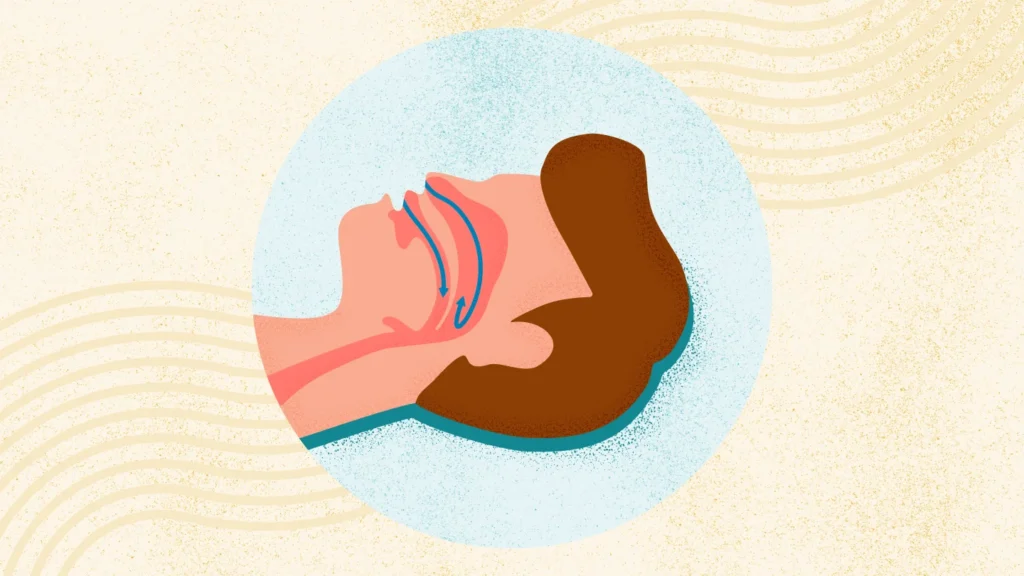
Reality: Snoring can wreck sleep quality for the snorer and anyone within earshot. It also gets people wondering about bigger issues like obstructive sleep apnea (OSA), especially as sleep health trends keep showing up in headlines and group chats.
This guide keeps it practical. You’ll learn where an anti snoring mouthpiece fits, what to try first, and how to avoid wasting money on another “viral” sleep gadget that ends up in a drawer.
The big picture: why snoring is suddenly everyone’s topic
Sleep has become a full-on lifestyle category. There are wearables, phone apps, smart rings, mouth tape debates, and “travel recovery” routines after red-eye flights. Add workplace burnout, and people start treating bedtime like a performance metric.
Snoring sits right in the middle of this. It’s annoying, it’s common, and it’s often the first sign that your sleep breathing isn’t as smooth as it should be.
Also, misconceptions are everywhere. If you want a reality check on how OSA is discussed (and misunderstood), skim What Misconceptions About Obstructive Sleep Apnea Would You Like to Bust?. Keep in mind: snoring alone doesn’t confirm OSA, but it can be a clue.
The emotional side: snoring isn’t “just your problem”
Snoring can turn bedtime into negotiations. Someone nudges. Someone rolls over. Someone “jokes” about sleeping on the couch, then actually does it.
That matters because sleep loss is cumulative. The partner who can’t sleep may show up irritable at work. The snorer may wake up foggy and reach for extra caffeine. Over time, that can look like burnout, even when the real issue is fragmented sleep.
It’s also why quick, at-home solutions are so popular right now. People want something that feels concrete and affordable, not another months-long project.
Practical steps (in order): what to do first without overspending
Step 1: Do a two-night “pattern check”
Before you buy anything, get a clearer read on what’s happening.
- Note the timing: Is snoring worse after alcohol, a late meal, or a long travel day?
- Check position: Does it spike on your back and ease on your side?
- Scan for symptoms: Morning headaches, dry mouth, or feeling unrefreshed can matter.
This takes five minutes and helps you pick a smarter fix.
Step 2: Try the low-cost levers
These are boring, but they’re often effective.
- Side-sleeping: Back-sleeping can worsen airway collapse in many people.
- Alcohol timing: Alcohol close to bedtime can relax throat muscles and worsen snoring.
- Nasal airflow: Congestion can push you toward mouth breathing, which can amplify snoring.
- Consistent sleep window: Being overtired can deepen sleep and make snoring more intense for some.
If travel fatigue is the trigger, focus on hydration, nasal comfort, and a stable sleep schedule for a few nights after you get home.
Step 3: Consider an anti snoring mouthpiece (when it makes sense)
If your snoring seems position-related or you suspect your jaw/tongue position plays a role, a mouthpiece is a common at-home step. Many are designed to gently move the lower jaw forward, which can help keep the airway more open during sleep.
When you’re comparing options, start with fit and adjustability. Comfort drives consistency, and consistency drives results.
If you’re shopping, see options here: anti snoring mouthpiece.
Safety and “does this need a doctor?” checks
Red flags you shouldn’t ignore
Snoring can be benign, but some patterns deserve medical attention. Consider evaluation if you notice:
- Breathing pauses, choking, or gasping during sleep (reported by a partner or recorded)
- Excessive daytime sleepiness, dozing while driving, or trouble staying awake at meetings
- High blood pressure concerns or significant morning headaches
Headlines often connect OSA treatment with long-term health conversations. The key takeaway is simple: if OSA is possible, getting assessed is worth it.
How to test a mouthpiece without wrecking your jaw
- Start gentle: Use the least aggressive setting first if it’s adjustable.
- Give it a short trial: Aim for several nights, not one dramatic night.
- Watch your mornings: Mild, temporary soreness can happen. Sharp pain or lasting bite changes are not “normal to push through.”
If you have TMJ issues, loose dental work, or significant jaw pain, it’s smart to talk with a dentist before using a mandibular-advancement style device.
FAQ: quick answers people want right now
Can an anti snoring mouthpiece stop snoring the first night?
Some people notice improvement quickly, but others need adjustments and a week or two to judge. Treat “first night” promises as marketing, not a guarantee.
Is snoring always a sign of sleep apnea?
No. Still, loud snoring plus choking/gasping, witnessed pauses, or major daytime sleepiness should be checked.
What’s the difference between a mouthpiece and a CPAP?
A mouthpiece changes jaw or tongue position. CPAP uses air pressure and is commonly prescribed for diagnosed sleep apnea.
How do I know if my mouthpiece fit is wrong?
Stop if you get sharp pain, tooth pain, lasting jaw soreness, or bite changes that don’t settle after waking. Comfort matters.
What else can I try before buying another snoring gadget?
Side-sleeping, reducing alcohol near bedtime, addressing nasal congestion, and keeping a consistent schedule are the best low-cost starting points.
Next step: make a simple plan you can stick to
If snoring is straining your sleep (or your relationship), pick one change you’ll actually do this week. Start with a no-cost lever, then add a mouthpiece if the pattern suggests it could help.
How do anti-snoring mouthpieces work?
Medical disclaimer: This article is for general education only and isn’t medical advice. It doesn’t diagnose or treat any condition. If you suspect obstructive sleep apnea or have severe symptoms, seek evaluation from a qualified clinician.