
At 2:14 a.m., someone nudges their partner and whispers, “You’re doing the chainsaw thing again.” The snorer rolls over, half-awake, and mumbles something about a new pillow they saw online. By morning, both people feel like they traveled overnight—without leaving the bedroom.
That dynamic is everywhere right now. Sleep gadgets are trending, workplace burnout is real, and travel fatigue makes even mild snoring feel louder. Add a little relationship humor, and suddenly snoring isn’t “just noise.” It’s a nightly negotiation about sleep quality, mood, and patience.
This guide breaks down the common questions people ask, where an anti snoring mouthpiece fits, and what to watch for if snoring might be more than a nuisance.
Why does snoring feel worse lately?
Snoring itself may not be new, but your tolerance can drop fast when you’re stressed, overworked, or sleeping lightly. Burnout often comes with irregular schedules, late-night scrolling, and more caffeine. Those habits can make sleep more fragile, so any sound becomes a bigger disruption.
Travel is another multiplier. Different beds, dry hotel air, and jet lag can change how you breathe at night. Even a “normal” snorer can suddenly become a headline in the other person’s sleep story.
What people are trying right now
Sleep routines are having a moment. You’ll see simple, countdown-style frameworks and “wind-down rules” shared across apps and social feeds. The appeal is obvious: they’re easy to remember and feel actionable on a tired brain.
If you want a practical starting point, focus on the basics that tend to affect snoring and sleep quality:
- Keep a consistent sleep and wake time most days.
- Reduce alcohol close to bedtime (it can relax airway muscles).
- Try side-sleeping if you tend to snore on your back.
- Make the bedroom cooler, darker, and quieter.
Is snoring “just annoying,” or could it be a health flag?
Many people snore sometimes, especially with congestion, fatigue, or alcohol. Still, persistent loud snoring can overlap with sleep-disordered breathing. That’s why major medical sources keep reminding readers that snoring isn’t always harmless.
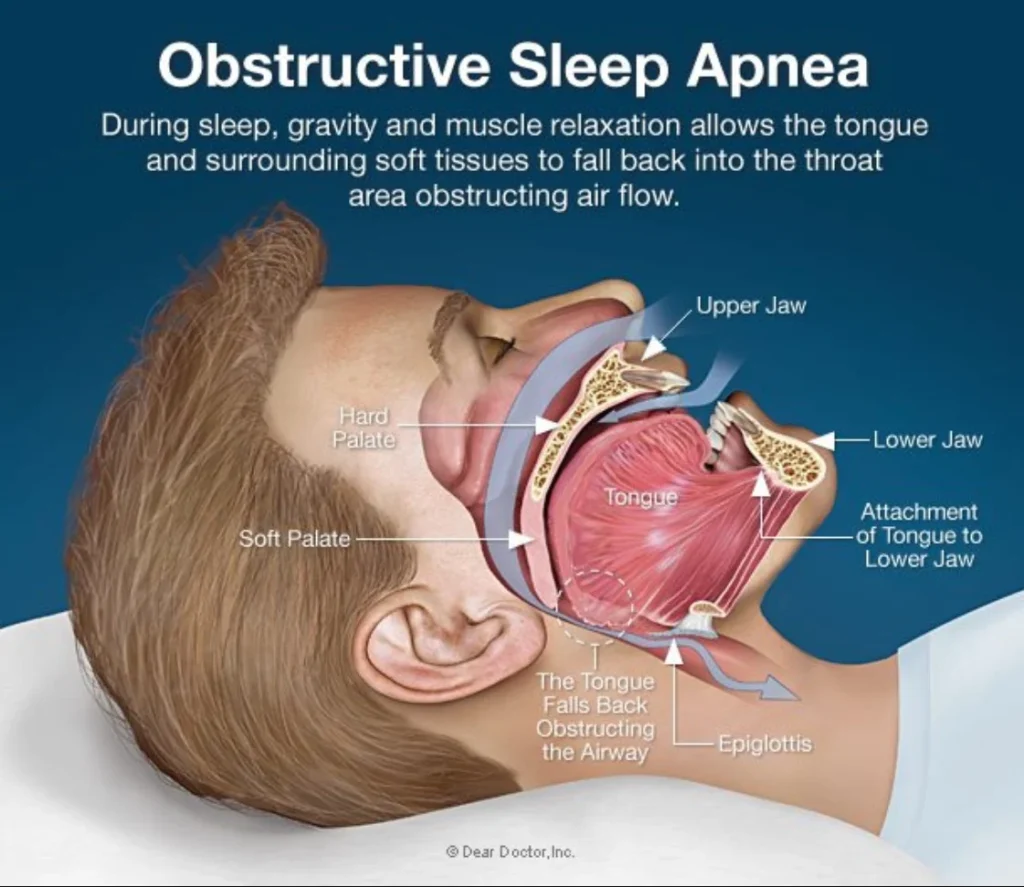
Pay attention to patterns, not one-off nights. If snoring comes with breathing pauses, choking/gasping, morning headaches, or heavy daytime sleepiness, it’s time to talk with a clinician. Those can be signs of obstructive sleep apnea, which is associated with broader health risks.
Quick “red flag” checklist to take seriously
- Someone notices pauses in breathing during sleep
- You wake up gasping or with a racing heart
- You’re sleepy at work or while driving
- You have high blood pressure or heart concerns
Medical note: This article is for general education and does not diagnose or treat any condition. If you suspect sleep apnea or have concerning symptoms, seek medical evaluation.
What’s the first thing to do if you want to stop snoring?
Start simple: identify what’s most likely driving your snoring. Is it nasal congestion? Back sleeping? Alcohol near bedtime? Weight changes? A new medication that dries you out? A “first step” plan works best when it’s specific.
For a general, mainstream overview of first steps people try, see this related read: Improve Your Sleep Routine With This 10-3-2-1-0 Hack Tonight.
A realistic 7-night experiment
Instead of changing everything at once, run a one-week test:
- Nights 1–3: prioritize side-sleeping and a consistent bedtime.
- Nights 4–7: keep the routine and add one targeted tool (like a mouthpiece) if appropriate.
This approach makes it easier to tell what actually helped. It also lowers tension with a partner because you’re trying a plan, not arguing about blame.
Where does an anti snoring mouthpiece fit in?
An anti snoring mouthpiece is often used for simple snoring. Many designs work by gently positioning the jaw and tongue to help keep the airway more open during sleep. If your snoring worsens on your back or when you’re very tired, a mouthpiece may be part of a practical solution set.
Comfort matters. So does consistency. People usually do best when they treat it like a short adaptation period rather than expecting perfection on night one.
What to look for before you buy
- Fit and comfort: If it’s miserable, you won’t use it.
- Breathing style: Some people prefer options that also support mouth-closure.
- Partner impact: The goal is fewer wake-ups for both of you.
If you’re comparing options, here’s a product-style example many shoppers search for: anti snoring mouthpiece.
How do you talk about snoring without starting a fight?
Snoring is awkward because it’s involuntary, but the consequences are shared. Frame it as a sleep-quality project for the relationship, not a character flaw.
Use scripts that lower the temperature
- “I’m not mad. I just miss sleeping through the night.”
- “Can we try one change this week and see if it helps?”
- “If it doesn’t improve, let’s get it checked. I want us both healthy.”
That last line matters. Current health coverage keeps pointing out that snoring can connect to bigger sleep-breathing issues. A calm plan beats a midnight argument every time.
Can sleep trends help if you have ADHD or a racing mind?
Many people struggle with winding down, especially when attention and impulse control are already taxed. The best “sleep hack” is usually the least exciting one: repeatable cues that tell your brain the day is ending.
Try building a short runway: dim lights, reduce stimulating content, and create a consistent pre-bed routine. If you add a mouthpiece, pair it with the same routine so it becomes automatic instead of another thing to remember.
What should you do next?
If snoring is costing you sleep, pick one routine change and one tool to test. Track two outcomes: how you feel in the morning and how often your partner wakes up. If red flags show up, move from self-experimenting to medical evaluation.
Keep going: Want the simple explanation before you shop?
Disclaimer: This content is for informational purposes only and is not medical advice. Mouthpieces are not appropriate for everyone. If you suspect sleep apnea or have significant symptoms, consult a qualified healthcare professional.