
Myth: Snoring is just an annoying soundtrack.
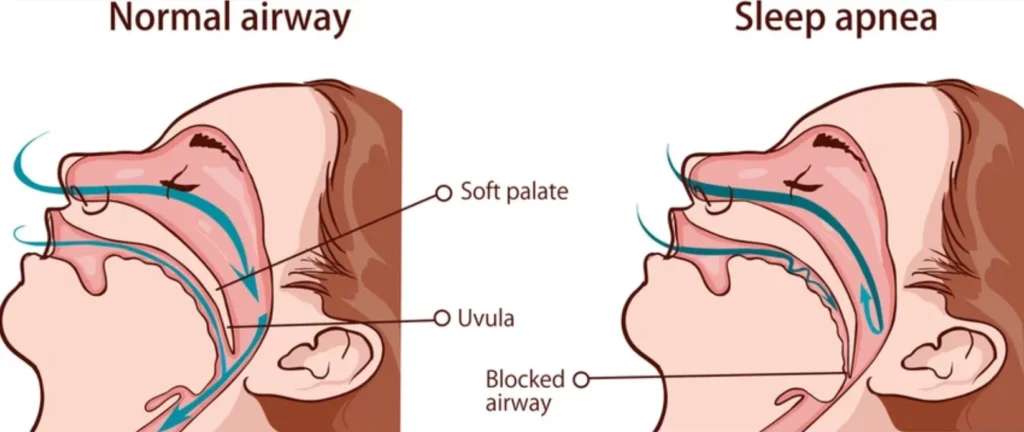
Reality: Snoring often signals disrupted sleep—for you, your partner, or both. That “small” nightly issue can snowball into cranky mornings, travel-day fatigue, and the kind of relationship humor that’s only funny until someone moves to the couch.
Right now, sleep is having a moment. People are comparing wearables, trying new sleep gadgets, and talking about burnout like it’s a job requirement. At the same time, headlines keep circling back to sleep apnea awareness, practical “starting tonight” tips, and new trials testing anti-snoring tech. If you’re wondering where an anti snoring mouthpiece fits in, use the decision map below.
Fast decision map: If…then… (pick your lane)
If your snoring is mostly positional (worse on your back)…
Then: Start with simple levers and add a mouthpiece if needed. Back-sleeping often lets the jaw and tongue fall backward. That’s a common setup for snoring.
- Try side-sleep support (pillow changes, gentle position cues).
- Keep your wake time consistent, even after a rough night. Some sleep experts warn that staying in bed longer can backfire by making sleep feel lighter and more fragmented.
- If you want a direct mechanical approach, a mouthpiece designed to support the jaw can reduce vibration for some people.
If your partner says the snoring is new—or suddenly louder…
Then: Treat it like a signal, not a personality trait. New snoring often shows up during high-stress weeks, after travel, or when routines slip. Workplace burnout doesn’t stay at the office.
- Look at alcohol timing, late meals, and sleep loss. Each can worsen snoring.
- Consider a short trial of an anti-snoring mouthpiece if you suspect jaw position plays a role.
- Have the conversation in daylight. “You kept me up” hits different at 2 a.m.
If you wake up unrefreshed even after “enough” hours…
Then: Focus on sleep quality, not just sleep quantity. A noisy night can mean frequent micro-awakenings you don’t remember. That’s why you can log eight hours and still feel wrecked.
- Track outcomes that matter: morning energy, headaches, dry mouth, and daytime sleepiness.
- Use tools that reduce disruptions: consistent schedule, cool/dark room, and fewer late-night stimulants.
- A mouthpiece may help if it reduces snoring and arousals. If symptoms persist, consider a medical evaluation.
If you have red flags for sleep apnea…
Then: Don’t self-manage in the dark. Snoring plus breathing pauses, choking/gasping, high sleepiness, or high blood pressure warrants professional screening. Public conversation has also highlighted how sleep apnea can affect veterans navigating benefits; if that’s relevant, you may recognize searches like Sleep Apnea VA Rating Guide: How to Get 50% or Higher.
- Get assessed. Treatment choices vary and should match your diagnosis.
- A mouthpiece can still be part of the conversation, but it’s best chosen with clinical guidance when apnea is suspected.
Where an anti-snoring mouthpiece fits (and where it doesn’t)
An anti-snoring mouthpiece is usually meant to improve airflow by adjusting jaw or tongue position during sleep. It’s popular because it’s simple and travel-friendly. That matters when hotel beds, time zones, and late dinners turn snoring into a nightly headline.
Still, mouthpieces aren’t magic. If congestion is the main driver, a mouthpiece may do little. If your issue is undiagnosed sleep apnea, you’ll want medical input rather than guessing.
Quick comfort checks before you commit
- Fit: A poor fit can cause soreness or make you quit early.
- Consistency: Give it a real trial. One night is not data.
- Communication: Agree on what “better” means—less volume, fewer wake-ups, or both.
FAQ: the practical questions people actually ask
Will it feel weird? Probably at first. Many people adapt over several nights to a few weeks.
Can it help my partner sleep? If it reduces your snoring, yes. That can lower tension fast, which is often the real goal.
What if I travel a lot? Mouthpieces can be easier to pack than many gadgets. Just keep it clean and protected.
CTA: Choose a mouthpiece you can stick with
If your snoring seems linked to jaw position, and you want a low-hassle option that fits real life, start by comparing anti snoring mouthpiece. Comfort and consistency matter more than hype.
How do anti-snoring mouthpieces work?
Medical disclaimer: This article is for general education only and is not medical advice. Snoring can be a sign of sleep apnea or other health issues. If you have choking/gasping, witnessed breathing pauses, severe daytime sleepiness, chest pain, or concerns about your breathing during sleep, seek evaluation from a qualified clinician.