
- Snoring is having a cultural moment: gadgets, hacks, and “sleep optimization” are everywhere.
- Better sleep quality isn’t just about silence. It’s about steady breathing and real recovery.
- An anti snoring mouthpiece can be a practical tool when jaw position is part of the problem.
- Trends like mouth taping and nasal strips may help some people, but they’re not universal fixes.
- Screen for red flags first. Document what you tried so you don’t waste weeks guessing.
Overview: what people are trying right now (and why)
Snoring used to be a punchline. Now it’s a full-on sleep-health conversation. You see it in travel fatigue posts, relationship humor, and the “new year, new wearable” crowd chasing better sleep scores.
At the same time, burnout culture is pushing people to treat sleep like a performance metric. That can help—if it leads to safer choices. It can also backfire when hacks replace basics and warning signs get ignored.
Snoring vs. sleep quality
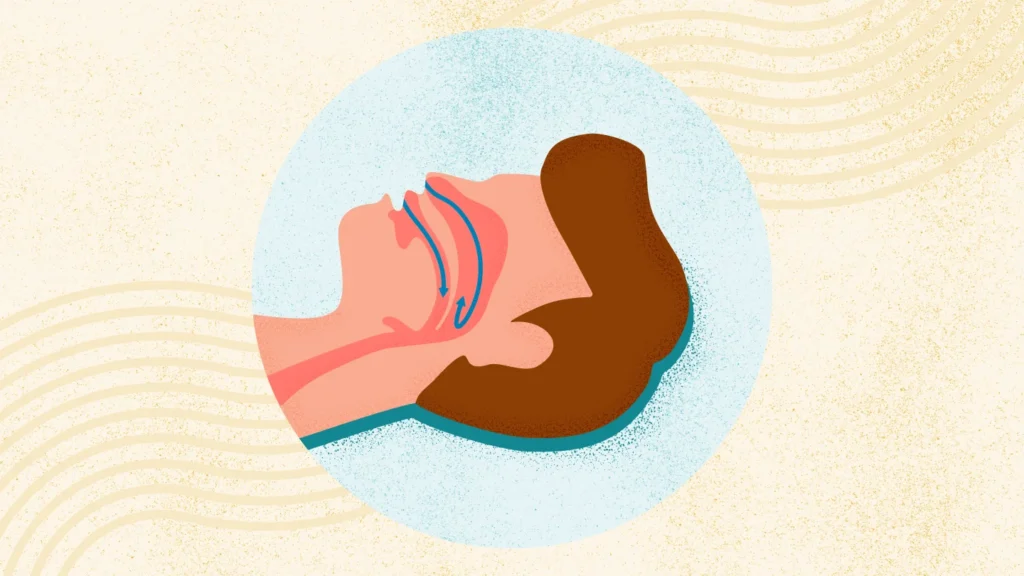
Snoring is noise from vibration as air moves through a narrowed airway. Sleep quality is broader: how continuous your sleep is, how refreshed you feel, and whether your breathing stays stable.
Silencing the sound matters for your partner. Protecting your breathing matters for you.
Quick safety screen (don’t skip this)
Some snoring is simple. Some points to obstructed breathing during sleep. If you suspect sleep apnea, start with credible guidance on Sleep apnea – Symptoms and causes and talk to a clinician if red flags show up.
Red flags include witnessed breathing pauses, choking/gasping, severe daytime sleepiness, morning headaches, or high blood pressure. If you’re nodding off while driving, treat that as urgent.
Timing: when to test changes (and how to track results)
Most people change three things at once, then can’t tell what worked. Use a simple timeline so you can make a clean decision.
Pick a 14-night window
Night 1–3: baseline. No new devices. Just notes. Night 4–14: test one primary intervention (like a mouthpiece) and keep everything else steady.
Track the right signals
- Partner report: volume, frequency, and whether breathing sounds “blocked.”
- Your morning check: dry mouth, sore jaw, headache, or feeling unrefreshed.
- Daytime function: concentration, mood, and sleepiness.
If you use a sleep app or wearable, treat it as supporting evidence, not a diagnosis.
Supplies: what you actually need (skip the drawer of gimmicks)
You don’t need a nightstand full of gadgets. You need a short list that matches your likely snore pattern.
Core options people talk about
- Mouthpieces: often used when jaw position and mouth opening contribute to snoring.
- Nasal supports: strips or dilators for nasal airflow issues.
- Position changes: side-sleeping supports for back-sleep snoring.
What about mouth taping?
Mouth taping gets attention because it’s simple and “biohacky.” The safety question is the point. If you can’t breathe freely through your nose, taping can be a bad idea. If sleep apnea is possible, don’t self-experiment without medical advice.
Step-by-step (ICI): Identify → Choose → Implement
This is the fast, low-drama way to decide if an anti snoring mouthpiece fits your situation.
I: Identify your snore pattern
- Mostly nasal congestion? You may benefit from addressing nasal airflow first.
- Snoring worse on your back? Position may be the main lever.
- Dry mouth on waking or mouth-open sleep? Mouth breathing may be part of it.
- Partner hears pauses or gasps? Treat as a medical screening priority.
C: Choose the simplest next move
If jaw position or mouth opening seems likely, a mouthpiece can be a practical next step. Look for a product that’s designed for sleep comfort and that you can realistically wear through the night.
If you want a combined approach, consider an anti snoring mouthpiece. It targets two common contributors: jaw positioning and mouth opening.
I: Implement with a “fit and comfort” protocol
- Start on a low-stakes night. Avoid the night before an early flight or a big presentation.
- Aim for comfort first. Mild awareness is normal. Sharp pain is not.
- Use a short adaptation period. Wear it briefly before sleep for a couple nights if needed.
- Re-check outcomes at day 7 and day 14. Decide based on sleep quality, not just decibels.
Mistakes: what wastes time (and raises risk)
Stacking too many “sleep hacks” at once
Nasal strip plus mouth tape plus mouthpiece plus a new pillow sounds productive. It’s also impossible to evaluate. Change one variable at a time.
Ignoring jaw or tooth discomfort
A mouthpiece shouldn’t create significant pain. If you notice persistent jaw soreness, tooth pain, or bite changes, stop and consult a dental professional.
Trying to out-gadget a medical problem
If symptoms suggest sleep apnea, the priority is screening. Consumer devices can’t rule it out.
Not documenting what you tried
Write down dates, symptoms, and results. That reduces wasted spending and helps a clinician if you need an evaluation.
FAQ
Is snoring always unhealthy?
No. But it can signal airway narrowing, and it can disrupt sleep for you or your partner. The key is whether you have red flags or poor daytime function.
Will an anti snoring mouthpiece cure snoring?
It can reduce snoring for some people, especially when jaw position contributes. Results vary based on anatomy, nasal airflow, sleep position, and alcohol/sedative use.
Can I use a mouthpiece if I have dental work?
It depends. Crowns, bridges, aligners, and TMJ issues can change what’s appropriate. A dentist can help you avoid complications.
CTA: pick a plan you’ll actually follow
Snoring fixes don’t need to be trendy. They need to be tolerable, trackable, and safe. If you want a straightforward starting point, focus on one intervention, measure results, and escalate to medical screening when red flags appear.
How do anti-snoring mouthpieces work?
Medical disclaimer: This article is for general education only and isn’t medical advice. It doesn’t diagnose, treat, or cure any condition. If you suspect sleep apnea or have severe daytime sleepiness, choking/gasping during sleep, or other concerning symptoms, seek evaluation from a qualified clinician.