
- If snoring is causing tension at home, treat it like a shared sleep problem—not a personality flaw.
- If you wake up tired, look beyond gadgets: timing, stress load, and airway comfort all matter.
- If your snoring is worse on your back or after alcohol, a jaw-position solution may help.
- If you’re congested, nasal habits can be part of the plan (especially during travel or allergy seasons).
- If there are breathing pauses or gasping, don’t “DIY” it—get screened for sleep apnea.
Snoring is having a very public moment. Sleep trackers score your night. Smart rings judge your recovery. Travel fatigue turns one rough red-eye into a week of cranky mornings. Meanwhile, your partner is doing the math on how many hours they’ve spent staring at the ceiling.
Here’s the direct approach: use a decision guide to pick the next step. Then keep the plan simple enough to stick with when work is loud, your calendar is packed, and burnout is creeping in.
The “If…then…” decision guide (fast, practical)
If your partner says the snoring is constant and loud… then start with airway + position basics
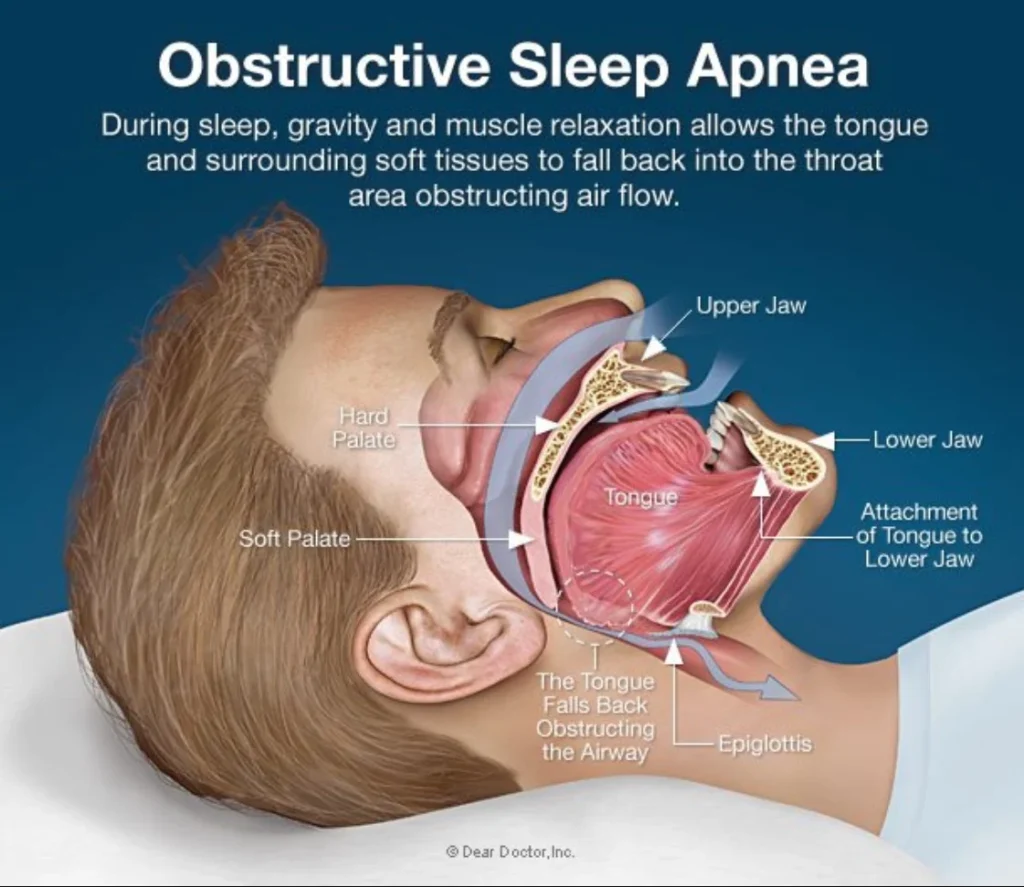
Snoring often spikes when the airway narrows and tissues vibrate. That narrowing can be worse on your back, after alcohol, or when you’re overtired. Before you buy another bedside gadget, test the low-effort levers for 7 nights.
- Side-sleep support (pillow changes, body pillow, or a simple positioning cue).
- Cut late alcohol and heavy meals close to bedtime.
- Keep the room cool and consistent.
If you see improvement but not enough, that’s a good sign a mechanical solution (like a mouthpiece) could be worth trying.
If snoring ramps up with congestion… then treat your nose like part of sleep health
Recent health coverage has been highlighting “nose first” thinking, including general discussion around saline nasal sprays and sleep-disordered breathing in kids. The takeaway for adults is simple: nasal comfort can influence how you breathe at night.
If you want to read the broader news context, see this: Saline nasal spray found to ease sleep apnea symptoms in children.
At home, keep it basic. Dry air, allergens, and travel can all clog the system. If nasal blockage is frequent or severe, get guidance from a clinician—especially for children.
If you mainly snore on your back (or your jaw drops open)… then an anti snoring mouthpiece may fit
An anti snoring mouthpiece is designed to support jaw position during sleep. For many people, that can reduce the tissue vibration that creates snoring noise. Think of it as “holding the airway space open” rather than trying to mask sound.
People are also comparing mouthpieces the way they compare sleep trackers: reviews, rankings, “does it actually work?” threads. That’s fair. The important part is matching the tool to the cause.
If you’re exploring product options, start here: anti snoring mouthpiece.
If you grind your teeth, have jaw pain, or dental issues… then pause and choose carefully
Jaw discomfort and tooth sensitivity are common reasons people quit early. If you have TMJ symptoms, loose dental work, or significant bite concerns, talk to a dental professional before using an oral device. Comfort is not a “nice to have.” It’s the difference between one night and a real habit.
If you’re exhausted during the day… then fix the schedule pressure first
Some of the most shared sleep advice lately is boring on purpose: stop working earlier, dim the mental noise, and give your brain a runway. If you’re answering messages right up to bedtime, your body may be in “work mode” even if your eyes are closed.
Try a hard stop window before bed (many people aim for around two hours). Use that time for low-stimulation routines. Pairing a calmer pre-sleep routine with snoring interventions often works better than either alone.
If there are breathing pauses, gasping, or scary symptoms… then get screened
Snoring can be harmless, but it can also overlap with sleep apnea. Don’t guess if the signs are there. Breathing pauses, choking/gasping, morning headaches, high blood pressure, or significant daytime sleepiness are reasons to seek evaluation.
Make it a relationship plan (not a nightly argument)
Snoring turns into resentment because it feels personal. It isn’t. Treat it like teamwork with two goals: reduce noise and protect sleep quality for both people.
- Agree on the metric. Fewer wake-ups? Less couch sleeping? Better morning mood?
- Run short experiments. One change per week beats ten changes in one night.
- Keep the humor, lose the blame. “We’re fixing the setup” lands better than “you’re the problem.”
How to test a mouthpiece without overthinking it
If you decide to try a mouthpiece, aim for a clean trial.
- Give it time. The first night can feel weird. Track comfort and snoring feedback for 10–14 nights.
- Prioritize fit. A device that’s “almost okay” becomes a drawer item.
- Watch for red flags. Ongoing pain, tooth shifting concerns, or worsening sleepiness means stop and get advice.
FAQs (quick answers)
Can an anti snoring mouthpiece improve sleep quality?
It can, especially when snoring is related to jaw position during sleep. Many people notice fewer disruptions for themselves or their partner.
What if I’m congested and snore more when traveling?
Travel fatigue, dry hotel air, and allergies can increase snoring. Simple nasal comfort steps and hydration may help, but persistent congestion should be evaluated.
Will a mouthpiece stop all snoring?
Not always. Snoring has multiple triggers (position, nasal airflow, alcohol, sleep debt). A mouthpiece is one tool in a broader sleep-health setup.
Is loud snoring always sleep apnea?
No, but it can be. If there are breathing pauses, gasping, or major daytime sleepiness, get screened rather than self-treating.
CTA: Get a simple starting point
If your household is stuck in the “nudge, roll over, repeat” loop, it’s time for a clearer plan. A mouthpiece may be the practical next step when jaw position is part of the problem.
How do anti-snoring mouthpieces work?
Medical disclaimer: This article is for general education and does not provide medical advice, diagnosis, or treatment. If you suspect sleep apnea, have significant daytime sleepiness, or are concerned about a child’s breathing during sleep, consult a qualified healthcare professional.