
At 2:13 a.m., someone nudges their partner—again. The snoring isn’t “funny” anymore. Tomorrow has an early meeting, a commute, and that same tired argument: “You kept me up.”
If that feels familiar, you’re not alone. Between burnout, travel fatigue, and a constant stream of sleep gadgets on social media, snoring has become a nightly stress test for couples and solo sleepers alike.
The big picture: snoring is a sleep-quality problem, not a personality flaw
Snoring happens when airflow is partially blocked and tissues vibrate. That can be driven by sleep position, nasal congestion, alcohol, weight changes, or jaw/tongue anatomy. The result is the same: broken sleep for the room, even if the snorer thinks they “slept fine.”
Sleep headlines lately keep circling the same theme: better sleep is less about hacks and more about repeatable habits. You’ll see advice like building a real wind-down and not dragging work right up to bedtime. That matters because stress and late-night stimulation can make sleep lighter, which can amplify snoring and the frustration around it.
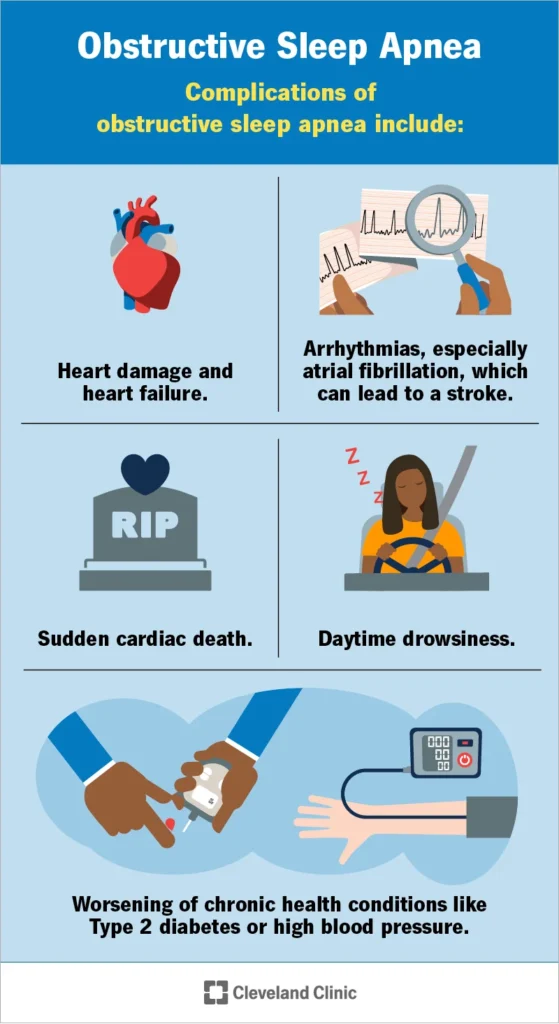
Also worth keeping in mind: snoring can be more than a nuisance for some people. If you want a plain-language overview of why snoring can connect to bigger health concerns, see this resource on SleepZee Reviews 2026: Is It Safe and Legit? Clinical Analysis of This Mandibular Advancement Device.
The emotional layer: snoring turns into pressure, resentment, and “sleep divorce” jokes
Snoring rarely stays a solo issue. It becomes a relationship issue fast, especially when one person is doing mental math at midnight: “If I fall asleep now, I get five hours.”
That pressure changes how people talk. The snorer feels blamed. The partner feels dismissed. Add workplace burnout or a stretch of travel, and the fuse gets shorter.
Use a simple script that keeps it factual: “I’m not mad at you. I’m worried about our sleep. Let’s test one change at a time for two weeks.” Testing beats arguing.
Practical steps: a no-drama plan to improve sleep quality
Step 1: cut the obvious snore amplifiers (for a week)
Before buying anything, run a quick reset:
- Timing buffer: stop intense work earlier so your brain can downshift before bed.
- Alcohol check: alcohol close to bedtime can relax tissues and worsen snoring.
- Side-sleep trial: back-sleeping often makes snoring louder. Try a positioning strategy that keeps you on your side.
- Nasal comfort: if you’re congested, address dryness and irritation with basic comfort measures.
If travel is the trigger, keep it boring: same bedtime routine, hydration, and a consistent pillow setup. “New bed, new snore” is a real pattern.
Step 2: when an anti snoring mouthpiece is the right tool
If your snoring seems tied to jaw position (often worse on your back, worse after alcohol, or improved when your jaw is gently forward), an anti snoring mouthpiece may help. The common type is a mandibular advancement device, which holds the lower jaw slightly forward to help keep the airway more open.
People are talking about these devices more right now because they sit in a sweet spot: less complicated than many gadgets, more targeted than “try a new pillow,” and often easier to test than long-term interventions.
If you’re comparing options, start with a clear product category search like anti snoring mouthpiece so you can evaluate materials, adjustability, and fit approach.
Step 3: set a realistic two-week test
Don’t judge a mouthpiece on night one. Do this instead:
- Nights 1–3: focus on comfort and short wear time if needed.
- Nights 4–14: aim for consistent use and track two things: partner-reported snoring and your daytime alertness.
- One change at a time: don’t add three gadgets and a new supplement in the same week.
A quick note on “sleep tech” trends: trackers can be motivating, but they can also create anxiety. If numbers make you obsess, prioritize how you feel and whether snoring complaints drop.
Safety and testing: what to watch before you commit
Red flags that should prompt a medical conversation
Snoring plus any of the following deserves extra attention:
- Gasping, choking, or witnessed breathing pauses
- Morning headaches or dry mouth most days
- Excessive daytime sleepiness, dozing while driving, or concentration problems
- High blood pressure or heart concerns (especially if symptoms are new or worsening)
Mouthpiece comfort checks (don’t ignore these)
A mouthpiece should not feel like a nightly fight. Stop and reassess if you notice:
- Jaw pain that persists into the day
- Tooth pain, gum irritation, or sores
- Bite changes (your teeth don’t meet the same way in the morning)
Some soreness can happen early on. Persistent pain is a signal, not a badge of progress.
Medical disclaimer
This article is for general education only and is not medical advice. Snoring can have multiple causes, including sleep apnea. If you have concerning symptoms or chronic snoring, talk with a qualified clinician or dentist trained in sleep-related breathing disorders.
FAQ: quick answers people want before buying
Do anti-snoring mouthpieces work for everyone?
No. They’re most likely to help when jaw/tongue position contributes to snoring. Other causes may need different solutions.
How fast should an anti snoring mouthpiece help?
Some people notice improvement quickly, but give it up to two weeks to judge comfort and snoring changes.
Is loud snoring always sleep apnea?
No, but it can be a sign—especially with gasping, witnessed pauses, or major daytime sleepiness.
Can a mouthpiece mess up my bite?
It can in some cases. Pay attention to jaw soreness and morning bite changes, and seek professional guidance if symptoms persist.
What’s the simplest way to test whether it’s helping?
Use consistent sleep times for two weeks and track partner feedback plus daytime alertness. Keep other variables steady.
CTA: turn the nightly argument into a simple experiment
You don’t need a dozen gadgets to get traction. Pick one plan, test it, and measure the outcome. If a mouthpiece fits your situation, start here: How do anti-snoring mouthpieces work?