
Before you try anything for snoring, run this quick checklist.
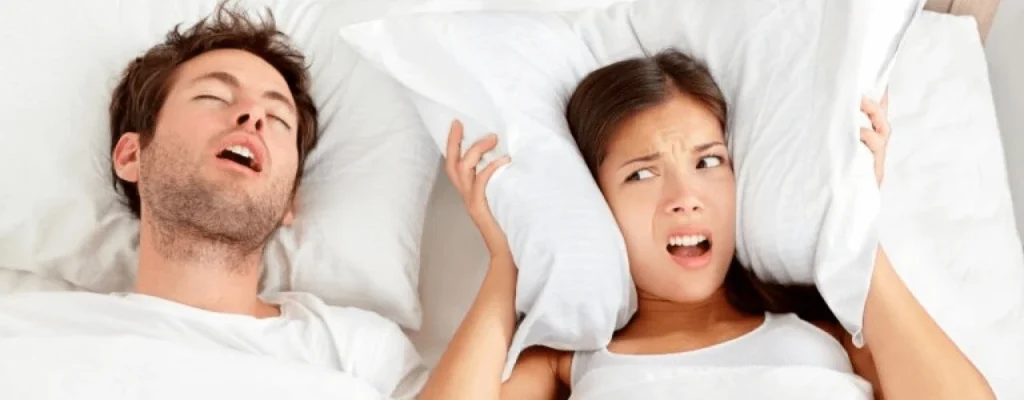
- Pattern: Is it nightly, or mainly after alcohol, travel, or a late meal?
- Breathing: Do you wake with a dry mouth, sore throat, or bad breath?
- Position: Is it worse on your back?
- Daytime impact: Are you tired, foggy, or relying on extra caffeine?
- Red flags: Has anyone noticed pauses, gasping, or choking sounds?
Snoring has become a strangely public topic lately. Sleep trackers, “smart” pillows, and viral hacks keep popping up. Meanwhile, burnout and travel fatigue push more people to look for fast fixes. Relationship jokes land because the problem is real: one person snores, the other person suffers, and both wake up cranky.
This post breaks down what people are talking about right now—especially mouth breathing—and where an anti snoring mouthpiece can fit into a practical plan.
Why are people suddenly talking about mouth breathing?
Recent health coverage has put mouth breathing in the spotlight. The short version: breathing through your mouth at night often goes with dryness and irritation. It can also be a clue that nasal airflow isn’t great, so your body “switches routes” while you sleep.
That matters for sleep quality. A dry mouth can wake you up. Fragmented sleep can leave you feeling like you never fully recharged, even if you were in bed for eight hours.
If you want a general overview of concerns that get mentioned around this topic, see A Wake-Up Call to Mouth Breathing!.
Is snoring “just noise,” or is it hurting your sleep quality?
Snoring can be harmless, but it still disrupts sleep in two ways. First, it can wake your partner (and that tension is a whole separate sleep killer). Second, the snorer may also have micro-awakenings they don’t remember.
Pay attention to how you feel at 2 p.m. If you’re dragging, snapping at people, or struggling to focus, your nights may not be as restorative as they look on paper.
One more important point: loud snoring plus choking/gasping or witnessed breathing pauses can be a sign of sleep apnea. That’s not a DIY situation. A reputable medical source like Mayo Clinic explains symptoms and causes and when to seek care.
What actually makes snoring worse right now (and why it feels everywhere)?
Modern life stacks the deck. Stress runs high. Screens creep later into the night. Travel throws off routine, and hotel sleep can be lighter. Even “healthy” trends can backfire when they add pressure to optimize every minute.
Also, many people start the year with a fresh-sleep reset. You’ll see advice about building sleep drive, stabilizing your body clock, tightening sleep hygiene, reducing overthinking, and changing pre-bed activities. Those themes are popular because they’re simple and they work for a lot of people.
Where does an anti snoring mouthpiece fit in a smart plan?
Think of a mouthpiece as a mechanical helper, not a lifestyle lecture. For many snorers, the goal is to keep the airway more open and reduce vibration that creates the snoring sound.
People often look at mouthpieces when:
- Side-sleeping and pillow changes didn’t move the needle.
- Snoring is causing relationship stress (the “spare room” jokes stop being funny fast).
- They want a travel-friendly option that doesn’t require a full gadget setup.
- They suspect mouth breathing is part of the problem and want more structure at night.
If you’re comparing options, a anti snoring mouthpiece is one approach some shoppers consider, especially when they’re trying to reduce open-mouth sleeping.
How do you tell if a mouthpiece is a good idea for you?
Use this quick “fit check” before you buy:
- Good candidate: You snore most nights, it’s worse on your back, and you don’t have major jaw or dental pain.
- Proceed carefully: You have TMJ symptoms, loose dental work, or frequent gum irritation.
- Get evaluated first: You have loud snoring plus daytime sleepiness, morning headaches, or observed breathing pauses.
Comfort matters as much as the concept. If you can’t tolerate it, you won’t use it. That’s true for every sleep gadget, no matter how trendy it is.
What else should you try the same week (so you’re not relying on one tool)?
Pairing small behavior changes with a mouthpiece tends to feel more realistic than chasing a “perfect” solution.
Keep the schedule boring
Pick a wake time and protect it. A steady wake time helps your circadian rhythm. It also makes you sleepier at the right time the next night.
Lower the “pre-bed spin”
If your brain starts doing workplace post-mortems at midnight, you’re not alone. Try a short wind-down routine: dim lights, easy reading, or a quick list of tomorrow’s top three tasks.
Watch the common snoring amplifiers
Alcohol close to bedtime, heavy late meals, and sleeping flat on your back can all make snoring louder for many people. You don’t need a perfect life. You need a pattern you can repeat.
When is snoring a medical issue, not a product problem?
Snoring becomes a bigger concern when it lines up with symptoms that suggest disrupted breathing during sleep. If you notice gasping, choking, witnessed pauses, or persistent daytime sleepiness, ask a clinician about screening for sleep apnea.
Medical disclaimer: This article is for general education and does not provide medical advice, diagnosis, or treatment. If you have concerning symptoms, jaw pain, dental issues, or possible sleep apnea, consult a qualified healthcare professional.
Common questions people ask before buying
- Will it stop snoring completely? Some people get major improvement; others get partial reduction. Your anatomy and habits matter.
- Is mouth breathing the main issue? Sometimes. Other times nasal congestion, sleep position, or alcohol is the bigger lever.
- Do I still need sleep hygiene? Yes. A mouthpiece can help, but consistent sleep is still the foundation.
Next step: get a quieter night without overthinking it
If you’re ready to explore options, start with one change you can stick with this week. Then add tools as needed.