
Snoring is having a moment again. Between new sleep gadgets, “biohacking” trends, and post-travel fatigue, people are chasing quieter nights fast.
If your partner is joking about moving to the couch, it’s not just humor. It’s a sleep-quality problem for both of you.
Bottom line: small bedroom fixes can help, but an anti snoring mouthpiece is most useful when it matches the real reason you snore.
What people are talking about right now (and why)
Recent chatter has focused on two themes: your sleep setup might be part of the problem, and simple routines may outperform pricey gadgets. That includes cleaning and “bed hygiene” conversations, plus viral tips that suggest quick cooling tricks for comfort.
At the same time, headlines keep circling back to nasal airflow and new anti-snoring devices being studied. Translation: the culture is split between “fix the room” and “fix the airway.” Both matter.
If you want one fast reference point on the bedroom angle, see this Your bed could be hiding the biggest causes of snoring, but help could be hidden in the freezer.
What actually matters for sleep health (quick medical reality check)
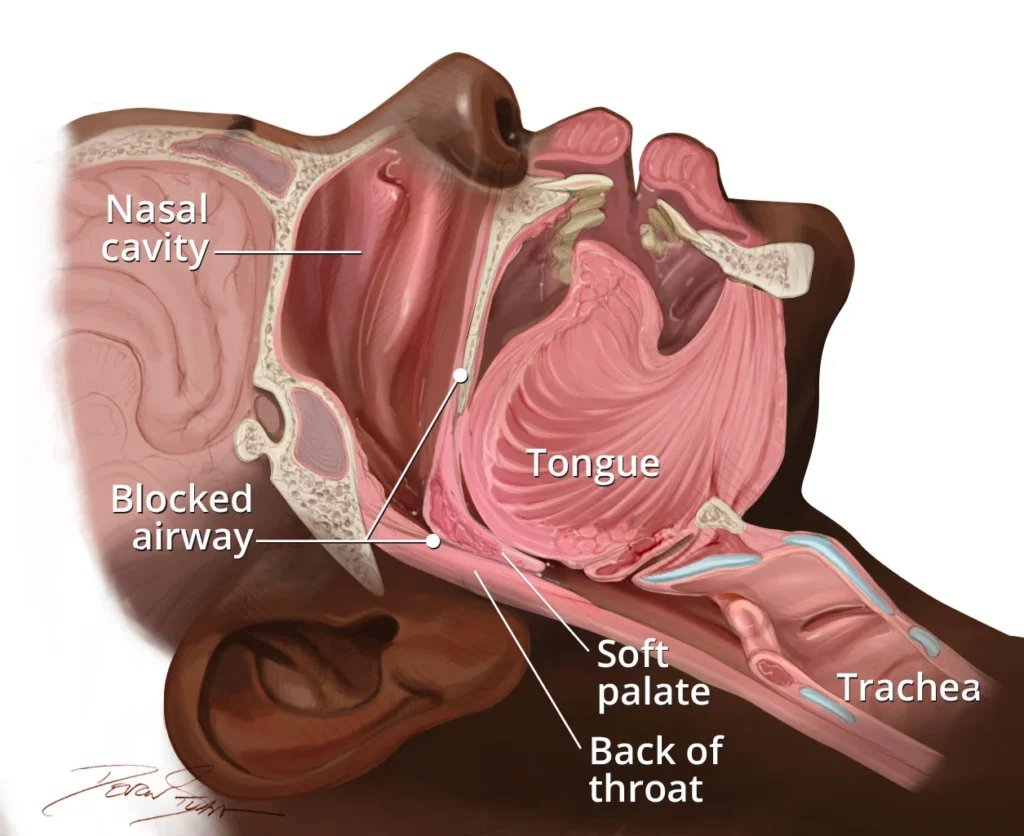
Snoring is noise from vibration in the upper airway. That vibration can come from the soft palate, tongue, or tissues in the throat. It often gets worse when you’re on your back, congested, or sleep-deprived.
Sleep quality takes a hit in two ways. First, the snorer may have fragmented sleep without realizing it. Second, the person next to them gets repeated micro-wakeups, which can feel like workplace burnout the next day.
Nasal airflow isn’t a minor detail
When your nose is blocked, you’re more likely to mouth-breathe. For many people, that changes airflow and increases snoring. If you’re often stuffy, that’s a signal to address nasal comfort and triggers (dry air, allergens, irritants) instead of only buying new gear.
Screen for sleep apnea, not just “annoying snoring”
Some snoring is benign. Some is a warning sign of obstructive sleep apnea. Red flags include choking or gasping, witnessed breathing pauses, morning headaches, high blood pressure, and strong daytime sleepiness.
If any of those show up, treat it as a health issue, not a relationship quirk. Mouthpieces can play a role for certain people, but sleep apnea needs proper screening.
What you can try at home tonight (low-risk, high-signal)
Think of this as a short experiment. Make one change at a time so you can tell what helped. Write it down for a week. That documentation protects you from “random fix” spending.
1) Reset the sleep environment
- Clean and dry the basics: wash bedding regularly and keep pillows dry and supportive.
- Control dryness: if the room air is very dry, consider humidification. If it’s muggy, improve ventilation.
- Reduce irritants: fragrance sprays and heavy scents can bother airways for some sleepers.
2) Re-check your position
Back-sleeping often worsens snoring. Side-sleeping can reduce it for many people. If travel fatigue has you crashing in odd positions, this alone can change the volume.
3) Keep evening choices boring
Late alcohol, heavy meals, and inconsistent bedtimes can worsen snoring and recovery. If you’re pushing through burnout, your body may be running on stress and short sleep, which can also make snoring louder.
4) If you suspect jaw/tongue position is the driver, consider a mouthpiece
An anti snoring mouthpiece (often a mandibular advancement-style device) aims to hold the lower jaw slightly forward to keep the airway more open. It’s not a “sleep gadget” in the trendy sense. It’s a mechanical approach for a specific pattern of snoring.
If you want to compare styles and fit approaches, start here: anti snoring mouthpiece.
When to stop experimenting and get help
Get medical evaluation if you have any of the following:
- Breathing pauses, choking, or gasping during sleep
- Excessive daytime sleepiness, drowsy driving, or concentration problems
- Morning headaches, new mood changes, or persistent insomnia
- High blood pressure, heart disease risk concerns, or symptoms that feel urgent
Also get dental guidance if a mouthpiece causes jaw pain, tooth pain, gum irritation, or noticeable bite changes. Comfort matters, but safety matters more.
FAQ: fast answers before you buy another sleep gadget
Is a mouthpiece better than nasal strips?
They solve different problems. Strips aim to improve nasal airflow. Mouthpieces aim to change jaw position and airway space. If congestion is your main issue, start with nasal comfort.
What’s the biggest mistake people make?
They treat snoring as one-size-fits-all. The safer approach is to screen for apnea symptoms, then match the tool to the likely cause.
Can I use a mouthpiece if I grind my teeth?
Some people do, but it depends on the design and your bite. If you clench or grind, consider a dental opinion to avoid aggravating jaw joints or teeth.
Next step: pick a safer, simpler path
If your snoring seems position- or jaw-related and you’ve handled the basics, a mouthpiece may be a reasonable next move. Keep notes on comfort, noise, and next-day energy so you can judge results without guesswork.
How do anti-snoring mouthpieces work?
Medical disclaimer: This article is for general information only and is not medical advice. It does not diagnose, treat, or replace care from a licensed clinician. If you suspect sleep apnea or have concerning symptoms, seek professional evaluation.