
Myth: Snoring is just a funny relationship problem.
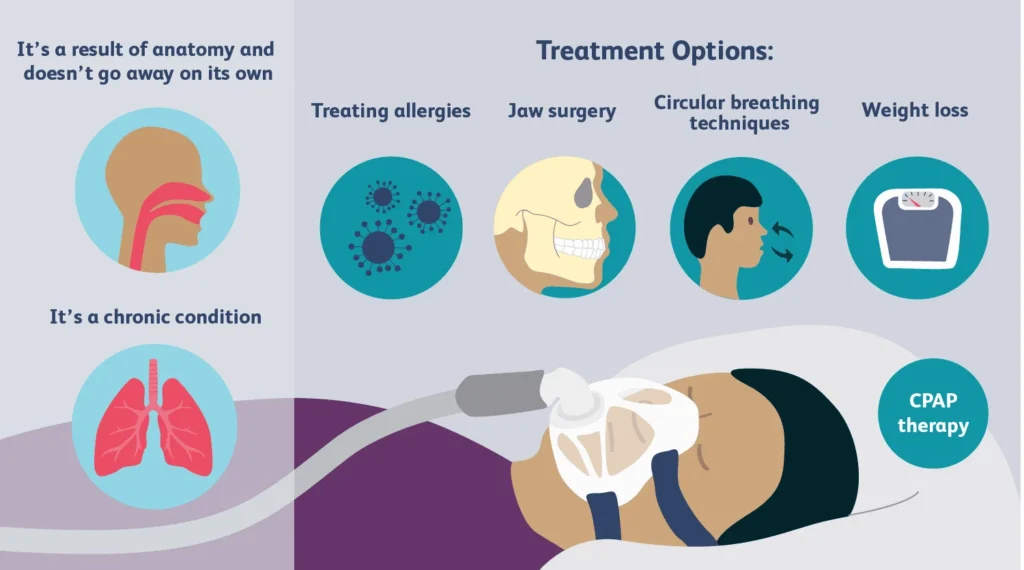
Reality: Snoring can crush sleep quality, fuel daytime burnout, and sometimes hint at something bigger—like sleep apnea. That’s why anti-snoring mouthpieces keep popping up in sleep-gadget conversations, travel “recovery” routines, and even workplace wellness chatter.
This guide keeps it practical. No hype. Just what people are discussing right now, what to verify before you buy, and how to avoid wasting a full sleep cycle experimenting.
Is snoring “normal,” or is it a sleep health warning?
Occasional snoring happens. Congestion, alcohol, back-sleeping, and travel fatigue can all make it louder. The problem is when it becomes frequent, disruptive, or paired with symptoms you can’t ignore.
In recent coverage, the big theme is simple: snoring can be a sign of sleep apnea, and many people don’t realize it. Some groups, including women, may be under-recognized because symptoms can look like “just tired,” “just stressed,” or “just insomnia.”
If you want a general overview of this conversation, see this related coverage here: Snoring could be a sign of sleep apnea—see if this device can help.
Quick red flags to take seriously
- Choking, gasping, or pauses in breathing noticed by a partner
- Morning headaches or dry mouth most days
- Daytime sleepiness that affects driving, work, or mood
- High blood pressure or worsening cardiometabolic health
A mouthpiece may reduce snoring, but it should not be used to “cover up” symptoms that need medical attention.
Why is everyone talking about sleep quality right now?
Sleep has become the new status symbol. People track it, score it, and buy gadgets to improve it. At the same time, real life keeps punching holes in the plan: late-night doomscrolling, shift work, travel time zones, and the classic daylight-savings whiplash.
Snoring sits right in the middle of this trend because it affects two people at once. One person snores. The other person lies there doing mental math about tomorrow’s meeting. That’s how a “small” issue turns into relationship humor, separate bedrooms, and a growing cart of sleep products.
A budget-first mindset helps
If you’re trying to improve sleep without burning money, focus on steps that are low-cost and easy to test:
- Side-sleeping (a pillow setup can help you stay there)
- Reducing alcohol close to bedtime
- Addressing nasal stuffiness (simple routines, not complicated hacks)
- Consistent sleep/wake timing, especially around time changes
If snoring persists, that’s where a mouthpiece becomes a reasonable next experiment.
What is an anti snoring mouthpiece, and who is it for?
An anti snoring mouthpiece is typically designed to keep your airway more open during sleep. The most common style is a mandibular advancement device (MAD). It gently positions the lower jaw forward, which can reduce airway narrowing for some sleepers.
People often look at mouthpieces when:
- Snoring is frequent and bothersome
- Back-sleeping makes it worse
- They want an at-home option before investing in more expensive solutions
If you’re comparing products, start here: anti snoring mouthpiece.
What a mouthpiece can and can’t do
- Can: reduce snoring volume/frequency for certain patterns of snoring
- Can: improve sleep continuity if snoring is the main disruptor
- Can’t: guarantee results for every anatomy or cause of snoring
- Can’t: replace evaluation for suspected sleep apnea
What should you verify before buying a mouthpiece online?
Recent “consumer report” style discussions around mouthpieces keep circling the same point: verify the basics before you trust big claims. A mouthpiece is going in your mouth for hours. Treat it like a health product, not a novelty gadget.
Use this quick checklist
- Fit method: boil-and-bite or adjustable sizing, and clear instructions
- Materials: look for transparent material info and care guidance
- Return policy: you need a realistic trial window
- Comfort factors: bulky designs can trigger gagging or soreness
- Jaw/TMJ history: if you have jaw pain, be cautious and consider professional input
Also consider your “why.” If the goal is to stop a partner from elbowing you at 2 a.m., comfort and compliance matter as much as snore reduction.
How do you test results without wasting a month?
Don’t rely on one night. Snoring changes with sleep position, congestion, and stress. Instead, run a simple, low-effort trial.
A practical 7–10 night approach
- Pick a consistent bedtime window
- Limit alcohol close to bed during the trial
- Track two things: partner-reported snoring and your morning energy
- If you use an app or wearable, treat it as a trend tool, not a diagnosis
If symptoms worsen, or you notice choking/gasping, stop the experiment and talk with a clinician about screening.
What else supports sleep health alongside a mouthpiece?
Mouthpieces get attention because they’re tangible. But sleep quality usually improves fastest when you pair tools with basics. Campus health-style sleep hygiene tips keep showing up for a reason: they’re boring, but they work.
Try stacking your odds:
- Keep the room cool and dark
- Protect the last 30 minutes from work messages
- Plan for travel fatigue: earlier wind-down, hydration, and a stable wake time
- During time changes, shift bedtime gradually when possible
FAQs
Can an anti-snoring mouthpiece stop snoring completely?
It can for some people, especially if jaw position is the main driver. Others may see partial improvement.
Is loud snoring always sleep apnea?
No, but it can be a sign. If you have pauses in breathing, gasping, or major daytime sleepiness, get evaluated.
Do mandibular advancement devices work for everyone?
They work best for certain snoring patterns. Nasal obstruction or other factors may need different solutions.
What should I verify before buying a mouthpiece online?
Fit method, materials, cleaning instructions, comfort, and return policy. Don’t ignore jaw pain or suspected apnea.
How long does it take to get used to a mouthpiece?
Often several nights to a few weeks. Persistent pain, bite changes, or significant jaw discomfort are reasons to stop and reassess.
Next step: get a clearer answer tonight
If snoring is hurting sleep quality, a mouthpiece can be a reasonable at-home step—especially when you buy with a checklist and track results like a mini experiment.
How do anti-snoring mouthpieces work?
Medical disclaimer: This article is for general education only and is not medical advice. Snoring can be associated with sleep apnea and other health conditions. If you have choking/gasping, breathing pauses, significant daytime sleepiness, or concerns about your health, seek evaluation from a qualified clinician.