
Myth: Snoring is just a funny bedroom soundtrack.
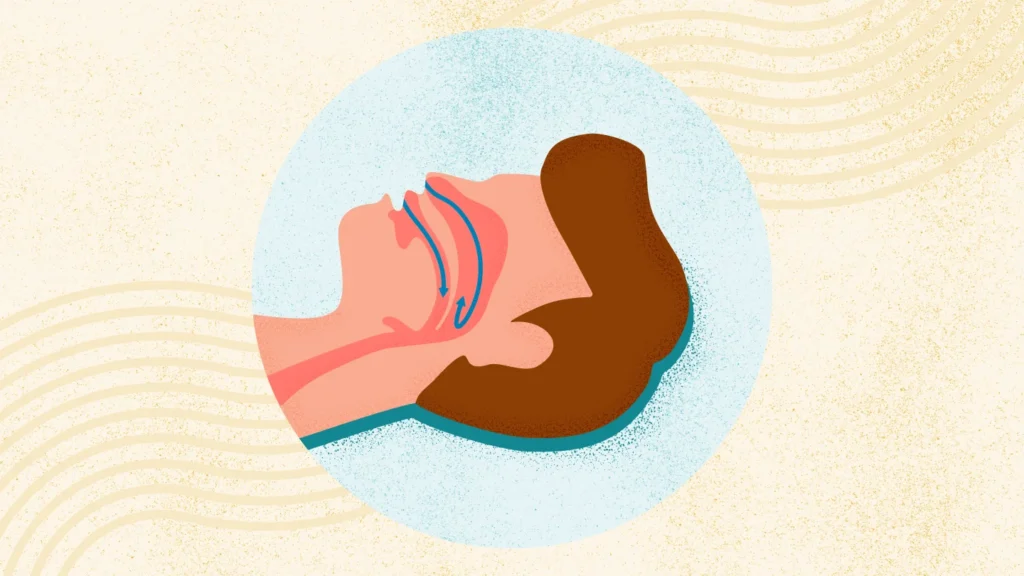
Reality: Snoring can shred sleep quality, raise tension with a partner, and sometimes point to a bigger breathing issue.
Right now, the conversation is loud—sleep gadgets are everywhere, burnout is still real, and travel fatigue has people searching for quick fixes. Mouthpieces are trending again because they feel practical: no app, no subscription, and no complicated setup.
Overview: Why snoring is suddenly everyone’s “sleep problem”
Snoring used to be a punchline. Lately it’s framed as sleep health. That shift shows up in mainstream health coverage linking sleep-disordered breathing with long-term wellness, including heart health and brain health concerns.
Snoring can be simple (like congestion or sleeping on your back). It can also be a sign of obstructive sleep apnea for some people. If you’re unsure, start with credible basics like Here are five behavioral and psychological tips for a fresh start toward better sleep in the new year, spanning five categories — sleep drive, circadian rhythm, sleep hygiene, overthinking and pre-bed activity. https://wapo.st/3MQgP1D.
Timing: When to try a mouthpiece vs. when to get checked
Timing matters because the “right” snoring solution depends on what’s driving the noise.
Try an anti-snoring mouthpiece when…
- Snoring is frequent and position-related (often worse on your back).
- Your partner reports loud snoring, but you don’t have obvious red-flag symptoms.
- You want a low-tech option that fits into a normal bedtime routine.
Don’t delay a medical conversation when…
- You wake up gasping, choking, or with panic-like breaths.
- You’re very sleepy during the day, even after “enough” time in bed.
- You have high blood pressure, heart concerns, or morning headaches.
- Your snoring is loud, nightly, and getting worse.
That doesn’t mean a mouthpiece is “bad.” It means the priority is ruling out sleep apnea and getting the right treatment plan.
Supplies: What you’ll want on night one
- Anti-snoring mouthpiece (follow the included fitting directions).
- A simple sleep log (notes app is fine): bedtime, wake time, how you felt, partner feedback.
- Water + toothbrush for pre-bed and morning cleaning.
- Optional: nasal saline or a warm shower if congestion is a factor.
If you like the idea of a combo approach, you can look at an anti snoring mouthpiece. Some people prefer added support if mouth breathing is part of the pattern.
Step-by-step (ICI): Identify → Choose → Implement
This is a fast framework you can use without turning bedtime into a science project.
1) Identify your likely snoring pattern
- Back-sleeper snoring: often louder, more consistent.
- Nose-blocked snoring: worse with allergies, colds, dry hotel air, or travel.
- Stress/burnout snoring: sleep gets lighter, you wake more, and everything feels louder (including you).
If your partner jokes that your snore has “different modes,” they might be right. Patterns help you pick tools.
2) Choose a simple plan for 7–14 nights
- Use the mouthpiece consistently.
- Keep one other variable steady (same pillow, similar bedtime, similar caffeine cutoff).
- Track outcomes that matter: snoring volume (partner rating), morning jaw comfort, daytime energy.
Why 7–14 nights? Because comfort and fit can take a few tries, and travel weeks can distort your baseline.
3) Implement with comfort-first rules
- Follow fitting instructions exactly. “Close enough” can mean sore teeth or no benefit.
- Start on a low-stress night. Not the night before a big meeting.
- Pair it with a small sleep upgrade. Example: a short wind-down to reduce pre-bed overthinking.
- Reassess at day 3 and day 10. Adjust fit if allowed, or pause if pain shows up.
Mistakes that waste money (and sleep)
Expecting a mouthpiece to fix everything
If alcohol, congestion, or sleep deprivation is driving the problem, a mouthpiece may not fully solve it. It can still help, but it won’t replace basics.
Ignoring jaw or tooth pain
Discomfort is a signal. Mild pressure can happen early. Sharp pain, worsening TMJ symptoms, or tooth sensitivity deserves a stop-and-check with a dentist.
Changing five things at once
New pillow, new mouthpiece, mouth tape, magnesium, and a viral “sleep gadget” all in one week? You won’t know what worked. Keep it simple.
Missing the bigger red flags
Snoring plus gasping or major daytime sleepiness is not a “relationship issue.” It may be a health issue. Get evaluated.
FAQ
Can an anti snoring mouthpiece help right away?
Sometimes. Many people need several nights for comfort and fit. If you suspect sleep apnea, prioritize a medical evaluation.
Is snoring always sleep apnea?
No. But persistent loud snoring with choking/gasping or daytime sleepiness can be a warning sign.
What’s the difference between a mouthpiece and nasal strips?
Nasal strips target nasal airflow. Mouthpieces typically target jaw/tongue position to reduce airway collapse.
Who should not use an anti-snoring mouthpiece?
If you have significant TMJ pain, loose teeth, or major dental problems, talk to a dentist or clinician first.
What if my partner says I still snore?
Recheck fit, give it time, and address basics like sleep position and alcohol timing. Ongoing loud snoring may need a sleep study.
CTA: Make your next step simple
If snoring is wrecking your sleep quality (or your partner’s), a mouthpiece can be a practical first move—especially when you want something low-tech and travel-friendly.
How do anti-snoring mouthpieces work?
Medical disclaimer: This article is for general education only and isn’t medical advice. Snoring can be a sign of obstructive sleep apnea or other conditions. If you have choking/gasping at night, significant daytime sleepiness, chest pain, or concerns about heart or brain health, seek evaluation from a qualified clinician.