
Snoring isn’t just a punchline. It’s a nightly tax on your energy, mood, and focus.
And lately, the internet has turned sleep into a gadget Olympics—some helpful, some risky.
If you want better sleep quality without wasting a month, focus on basics first, then test an anti snoring mouthpiece the right way.
The big picture: why snoring feels louder in 2026
Snoring stands out more when life is already maxed out. Think travel fatigue, late meals after long commutes, and the “one more episode” scroll that pushes bedtime later.
Add workplace burnout and you get a perfect storm: lighter sleep, more awakenings, and less patience for anything that keeps a partner up.
Sleep trends also move fast. One week it’s a new wearable score. Next week it’s a viral hack that promises silence overnight.
The emotional side: it’s not just noise
Snoring can create a weird mix of embarrassment and defensiveness. The snorer feels blamed for something they can’t hear. The partner feels ignored because they can’t recover.
That’s why the “relationship humor” around snoring lands. It’s funny until you’re the one booking the guest room before a big presentation.
A practical goal helps: reduce disruption and improve next-day function, not chase perfect silence.
What to try first (fast, cheap, low-drama)
Before you buy another sleep gadget, run a short home checklist for 7 nights. You’re looking for patterns, not perfection.
1) Do a quick trigger audit
Common snoring triggers include alcohol close to bedtime, congestion, back sleeping, and being overtired. Travel days can stack several triggers at once.
Change one variable at a time. Otherwise you won’t know what worked.
2) Try position changes that don’t require new tech
Many people snore more on their back. Side-sleeping can reduce airway collapse for some sleepers.
If you always wake up on your back, consider a simple positional strategy (like pillow arrangement) before buying anything.
3) Clean up nasal breathing basics
If your nose is blocked, sleep quality usually suffers. Addressing dryness, allergies, or temporary congestion can make nights quieter.
Be cautious with “one-size-fits-all” hacks that assume everyone can breathe freely through the nose.
4) Track outcomes that matter
Don’t only chase a snore score. Track: morning headache, dry mouth, daytime sleepiness, and how often your partner wakes you.
A simple note in your phone works.
Where an anti snoring mouthpiece fits (and why people keep talking about it)
Among sleep tools, mouthpieces stay popular because they’re practical. No charging. No app. No subscription.
An anti snoring mouthpiece typically aims to improve airflow by supporting jaw or tongue position during sleep. For the right person, that can reduce vibration and noise.
Good candidates (general signals)
- Snoring that’s worse on your back
- Snoring that spikes after weight changes, travel fatigue, or congestion cycles
- People who want a budget-friendly trial before more involved options
When it may not be enough
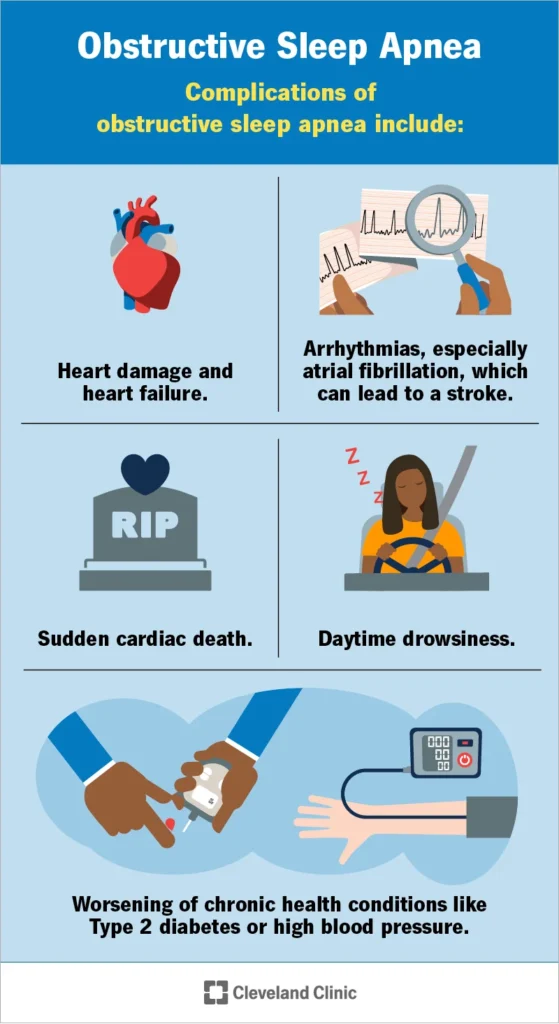
If snoring comes with choking/gasping, long pauses, or severe daytime sleepiness, treat it as a medical flag. Snoring can overlap with sleep apnea, which needs proper evaluation.
For a general overview of symptoms and causes, see Mayo Clinic’s sleep apnea resource.
Safety and “trend” reality check: skip risky shortcuts
Some social platforms hype mouth taping as a simple fix. Recent coverage has highlighted why many doctors urge caution, especially for people who might have restricted nasal airflow or possible sleep-disordered breathing.
If you ever feel like you can’t breathe comfortably at night, don’t force a hack. Choose options that keep airflow safe and adjustable.
How to test a mouthpiece without wasting a cycle
- Start on a low-stakes week. Don’t begin the night before a flight or an important deadline.
- Expect an adjustment period. Mild jaw or tooth soreness can happen early on.
- Measure two results. Your partner’s sleep and your next-day alertness.
- Stop if pain persists. Ongoing jaw pain, tooth pain, or bite changes deserve professional input.
What people are reading right now (and why it matters)
Mainstream advice has been consistent: start with simple steps, then escalate. If you want a quick cultural snapshot, this piece is a useful example of the “do this first” approach: Why Doctors Say You Shouldn’t Tape Your Mouth Shut at Night.
Translation: don’t let a trend pick your sleep plan. Use a short, repeatable process.
FAQ
Do anti-snoring mouthpieces work for everyone?
No. They can help some people, especially when snoring is related to airflow and jaw/tongue position, but results vary by anatomy and cause.
Is mouth taping a safe way to stop snoring?
Many clinicians warn against it for some people, especially if nasal breathing is limited or sleep apnea is possible. If you feel short of breath or panic, stop and get medical guidance.
How long does it take to know if a mouthpiece helps?
Many people can tell within several nights. Give it about 1–2 weeks to judge comfort, fit, and whether snoring and morning symptoms improve.
What are signs snoring could be sleep apnea?
Common red flags include loud snoring with pauses/gasping, excessive daytime sleepiness, morning headaches, and high blood pressure. A clinician can evaluate and arrange testing.
Can a mouthpiece cause jaw pain or tooth issues?
It can. Temporary soreness is common early on, but persistent jaw pain, bite changes, or tooth discomfort should be checked by a dental professional.
CTA: a practical next step
If you’re ready to test a simple, budget-friendly option, look at an anti snoring mouthpiece. Keep your trial structured and track results for two weeks.
How do anti-snoring mouthpieces work?
Medical disclaimer: This article is for general information only and is not medical advice. Snoring can have multiple causes, including sleep apnea. If you have choking/gasping, breathing pauses, severe daytime sleepiness, chest pain, or other concerning symptoms, seek evaluation from a qualified clinician.