
Is snoring “just annoying,” or a real sleep-health issue?
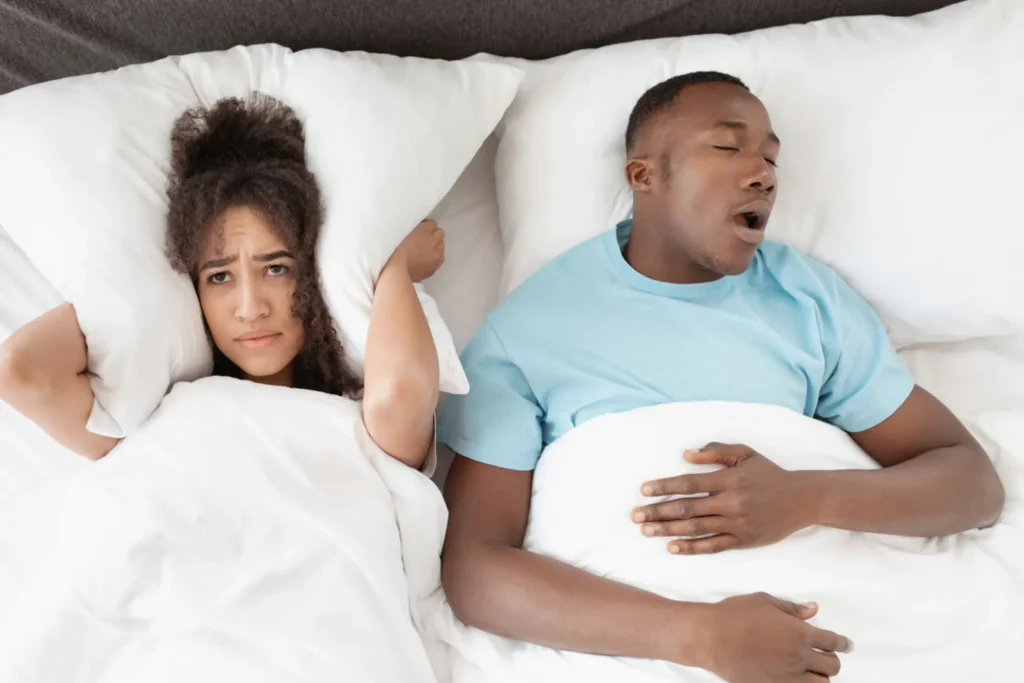
Are viral sleep hacks like mouth taping actually safe for everyone?
Does an anti snoring mouthpiece really improve sleep quality, or is it another gadget trend?
Snoring is having a moment. Between sleep trackers, “biohacking” reels, and relationship humor about separate bedrooms, more people are trying to solve it fast. The smarter move is to treat snoring like a screening problem first, then a solution problem. That reduces health risk, avoids wasted purchases, and keeps you on the right side of safety.
Is snoring ever a sign you should get checked?
Yes. Snoring can be simple vibration from relaxed tissues, but it can also show up with sleep-disordered breathing. That’s why mainstream medical sources keep emphasizing symptoms and causes of sleep apnea in plain language.
Red flags that should outrank any “quick fix”
- Breathing pauses witnessed by a partner
- Choking, gasping, or waking up startled for air
- Strong daytime sleepiness (especially dozing while driving or at work)
- Morning headaches or dry mouth that feels extreme
- High blood pressure concerns or significant weight changes
If those show up, start with screening and professional guidance rather than stacking hacks. For a general overview, see this Is Mouth Taping Safe for Sleep? What Parents Should Know About This TikTok Trend.
Why are people talking about mouth taping right now?
Because it’s simple, cheap, and looks “science-y” on social media. Parents are also seeing it pop up in feeds, which raises a fair question: is it safe for everyone? The short answer is that blanket advice is risky. If someone has nasal congestion, allergies, structural blockage, or possible sleep apnea, restricting mouth breathing can be a bad idea.
A safer way to think about trends
- Don’t copy a clip. Copy a process: identify the problem, rule out red flags, then test one change at a time.
- Document what you tried. Note the date, what changed, and what happened. This matters if you later talk with a clinician.
- Avoid “all-night” experiments if you can’t breathe comfortably through your nose while awake.
Snoring solutions should not create new risks. That includes skin irritation, panic from restricted airflow, or ignoring symptoms that deserve medical attention.
Where does an anti snoring mouthpiece fit in, realistically?
An anti snoring mouthpiece is a practical middle ground between “do nothing” and “buy every sleep gadget.” Many designs aim to support the airway by influencing jaw or tongue position during sleep. When it works, the payoff is straightforward: less noise, fewer awakenings, and better next-day energy.
Who often likes mouthpieces
- People whose snoring is worse on their back
- Couples who want a fix that’s less disruptive than separate rooms
- Travelers dealing with hotel pillows, dry air, and schedule whiplash
- Anyone trying to protect sleep during a burnout-heavy season at work
What “success” should look like (keep it measurable)
- Partner report: fewer nudges, less volume, fewer wake-ups
- Your report: less dry mouth, fewer middle-of-night awakenings
- Daytime: less brain fog, fewer afternoon crashes
If you want a product option to evaluate, this anti snoring mouthpiece is one example people compare when they’re trying to reduce mouth-breathing and snoring together.
How do you choose a mouthpiece without creating hygiene or legal headaches?
Most people focus on comfort first. That matters, but safety and documentation deserve equal attention—especially if you share a home, travel often, or manage recurring congestion.
Use this quick “risk-reducer” checklist
- Fit and comfort: You should be able to sleep without jaw pain. Stop if pain builds.
- Cleanability: Choose something you can clean consistently. Set a routine so it doesn’t turn into a germy drawer item.
- Materials and instructions: Follow manufacturer guidance. Don’t improvise with glues, tapes, or heat methods not recommended.
- Tracking: Write down start date, changes in snoring, and any side effects. If issues arise, this record helps.
Also set expectations. A mouthpiece won’t “fix” every cause of snoring, and it’s not a substitute for evaluation if apnea is suspected.
What else helps sleep quality while you test a mouthpiece?
Snoring often spikes when your routine falls apart. Think red-eye flights, conference travel, late-night emails, or the classic “one drink turned into three” weekend. Tighten the basics while you test any device.
Small moves that stack
- Side-sleeping support (pillow positioning)
- Earlier cutoff for alcohol and heavy meals
- Consistent bedtime window, even on weekends
- Address nasal stuffiness before bed (simple, non-invasive steps)
Keep the plan simple. One change at a time beats a chaotic mix of gadgets and hacks.
FAQ: quick answers people ask before buying
Do sleep trackers prove snoring is dangerous?
Trackers can highlight patterns, but they don’t diagnose sleep apnea. Use them as a prompt to screen symptoms, not as a medical verdict.
Will a mouthpiece stop snoring on the first night?
Some people notice improvement quickly, others need an adjustment period. Stop and reassess if you develop jaw pain or worsening sleep.
Can I combine a mouthpiece with other sleep gadgets?
Yes, but avoid stacking too many changes at once. Otherwise you won’t know what helped or hurt.
Next step: get a clear answer fast
If snoring is hurting your sleep quality or your relationship, take the safe route: screen for red flags, choose one solution, and track results. If you want to explore options, start here:
How do anti-snoring mouthpieces work?
Medical disclaimer: This article is for general education and is not medical advice. Snoring can be associated with sleep apnea and other conditions. If you have breathing pauses, gasping, severe daytime sleepiness, or other concerning symptoms, seek evaluation from a qualified clinician.