
Q1: Why does snoring feel like it’s everywhere right now?
Q2: Is an anti snoring mouthpiece actually worth trying?
Q3: What’s the simplest way to test it without overcomplicating your sleep?
Yes, snoring is having a moment. Between sleep trackers, “sleep-max” routines, and the post-travel grogginess people joke about at work, more households are paying attention to what ruins rest. The punchline in a relationship meme is often the same: one person sleeps, the other negotiates with a freight train.
An anti snoring mouthpiece is one of the most talked-about, low-barrier options because it’s physical, practical, and doesn’t require charging. It also sits in a bigger trend: new devices are being studied, and mainstream guides keep publishing “how to stop snoring” tip lists. That mix keeps the conversation hot.
Overview: what people are talking about (and why it matters)
Snoring isn’t just a sound problem. It can chip away at sleep quality for the snorer and anyone within earshot. That’s why you’re seeing more reviews, more roundups, and even general coverage of new research efforts exploring innovative anti-snoring devices.
If you want a cultural snapshot of that research chatter, see this reference to a New clinical trial will test innovative anti-snoring device to tackle sleep disruption. The key takeaway is simple: sleep disruption is a big enough issue that people are still testing new ideas.
Meanwhile, consumers are comparing mouthpieces like they compare headphones: comfort, fit, and whether it actually makes nights quieter. That’s the real-world question behind all the buzz.
Timing: when to try a mouthpiece (and when to pause)
Start when you can track a clean baseline. A random Tuesday after a red-eye flight won’t tell you much. Travel fatigue, late meals, and alcohol can all make snoring worse, so your “test week” should look like your normal routine.
Pick a 10–14 night window. That gives your mouth time to adapt and gives your partner time to notice patterns. It also helps you avoid the common trap of quitting after one weird night.
Good times to test
- After a stable week of sleep (no major schedule swings)
- When nasal congestion is minimal
- When you can keep bedtime consistent for several nights
Press pause and consider a clinician if you notice
- Loud snoring with choking/gasping sounds
- Significant daytime sleepiness despite “enough” hours in bed
- High blood pressure or other risk factors you’re already monitoring
Supplies: what you need for a low-drama trial
You don’t need a drawer full of gadgets. Keep it simple so you can tell what’s working.
- Your mouthpiece (follow the included directions closely)
- A basic way to log results (notes app: bedtime, wake time, how you felt)
- A cleaning routine (gentle brush, cool water; avoid harsh heat unless the product says otherwise)
- Optional: a snore-recording app for trend-spotting (not as a medical tool)
If you’re shopping and want a starting point, here are anti snoring mouthpiece to compare by style and fit approach.
Step-by-step (ICI): Identify → Check fit → Iterate
This is the fast, repeatable process that fits real life. Think of it like dialing in a new pillow: small changes, then reassess.
1) Identify your likely snoring pattern
Ask two questions: Do you snore more on your back? Does it spike after alcohol, big dinners, or burnout weeks? If the answer is yes, your airway is probably more sensitive to positioning and swelling.
This doesn’t prove a cause. It just helps you choose a reasonable first move.
2) Check comfort and fit before judging results
A mouthpiece that “works” on paper can fail in real life if it hurts, falls out, or makes you clench. Aim for secure but not aggressive. If your jaw feels strained in the morning, that’s a signal to adjust or reassess.
3) Iterate with one change at a time
Change one variable, then give it a few nights. Don’t add a new pillow, nasal strips, and a new mouthpiece all at once. You’ll never know what helped.
- Night 1–3: focus on tolerating the mouthpiece
- Night 4–10: watch for quieter nights and better morning energy
- Night 11–14: confirm the pattern (or decide it’s not your solution)
Mistakes that waste money (and sleep)
Expecting instant perfection
Early nights can be awkward. That’s normal. Give it time before you label it a failure.
Ignoring the “snoring stack”
Snoring often comes from a mix of factors: sleep position, congestion, alcohol timing, and stress. A mouthpiece can help, but it won’t erase every trigger.
Using pain as a badge of progress
Discomfort is not a goal. If you have persistent jaw pain, tooth pain, or headaches, stop and get advice from a dental professional.
Skipping the partner feedback loop
If you share a bed, your partner is a data source. Keep it light. A quick “0–10 loudness?” in the morning beats an argument at 2 a.m.
FAQ
Do anti-snoring mouthpieces work for everyone?
No. They can be helpful for some people, especially when snoring improves with jaw or tongue positioning. Comfort and consistency matter a lot.
How long does it take to get used to an anti snoring mouthpiece?
Many people adjust within several nights to a couple of weeks. Early drooling or mild soreness can happen and often settles down.
Can a mouthpiece help with sleep apnea?
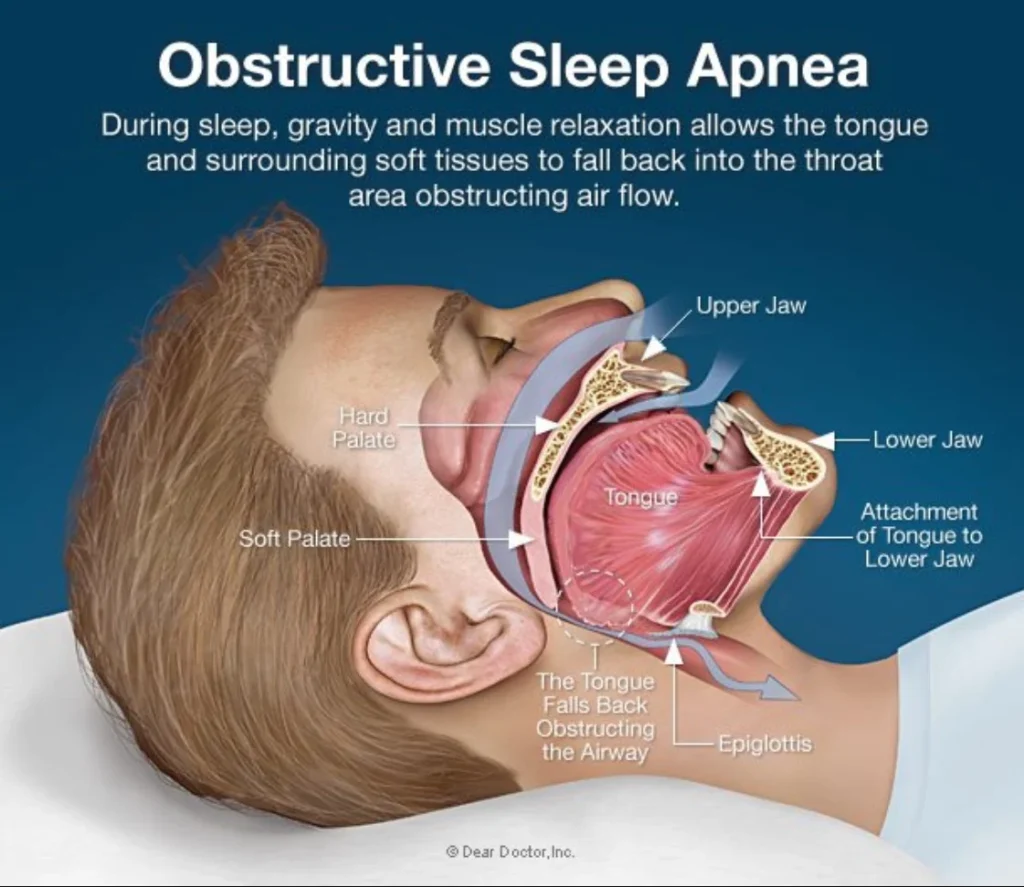
Snoring and sleep apnea can overlap, but they aren’t the same. If you suspect sleep apnea, get evaluated rather than self-treating.
What’s the difference between boil-and-bite and custom devices?
Boil-and-bite models mold at home and are more affordable. Custom devices are fitted more precisely but require professional involvement.
What if I still snore with a mouthpiece?
Recheck fit, try side sleeping, and consider whether congestion, alcohol, or stress is driving the bad nights. If symptoms persist, talk with a clinician.
CTA: make the next step easy
Snoring doesn’t have to be a nightly guessing game. If you want a practical starting point, compare mouthpiece styles and pick a simple two-week test plan.
How do anti-snoring mouthpieces work?
Medical disclaimer: This article is for general education only and isn’t medical advice. Snoring can be a sign of a sleep-related breathing disorder in some people. If you have choking/gasping at night, severe daytime sleepiness, or other concerning symptoms, seek evaluation from a qualified clinician.