
On a red-eye flight home, “J” finally dozed off. Ten minutes later, the person in the next seat cleared their throat in that not-so-subtle way. By the time the plane landed, J had a stiff neck, a dry mouth, and a text from their partner: “Please tell me you didn’t snore on the entire trip.”
That’s the current snoring conversation in a nutshell: travel fatigue, sleep gadgets, relationship humor, and the creeping feeling that everyone is running on empty. Let’s sort the noise from the useful stuff—especially if you’re considering an anti snoring mouthpiece.
What people are buzzing about (and why it matters)
Snoring is having a moment again. Not because it’s new, but because sleep is getting treated like a performance metric. You see it in wearable scores, “sleep stacks,” and the workplace burnout talk that makes rest feel like a missing productivity tool.
At the same time, headlines keep circling a few themes: new anti-snoring devices being studied, more plain-language explainers on sleep apnea, and reviews ranking mouthpieces and mouthguards. The vibe is clear: people want a practical fix that doesn’t require guessing.
The cultural reality check
Snoring jokes land differently when two people share a bed and both have early meetings. Add jet lag or a stuffy hotel room, and snoring can go from “annoying” to “relationship-level conflict” fast.
Also worth noting: more people are connecting sleep quality to long-term health. Some coverage has highlighted how a single nighttime habit can raise risk in younger adults. The details vary by source, but the takeaway is consistent: sleep choices compound.
What matters medically (without the drama)
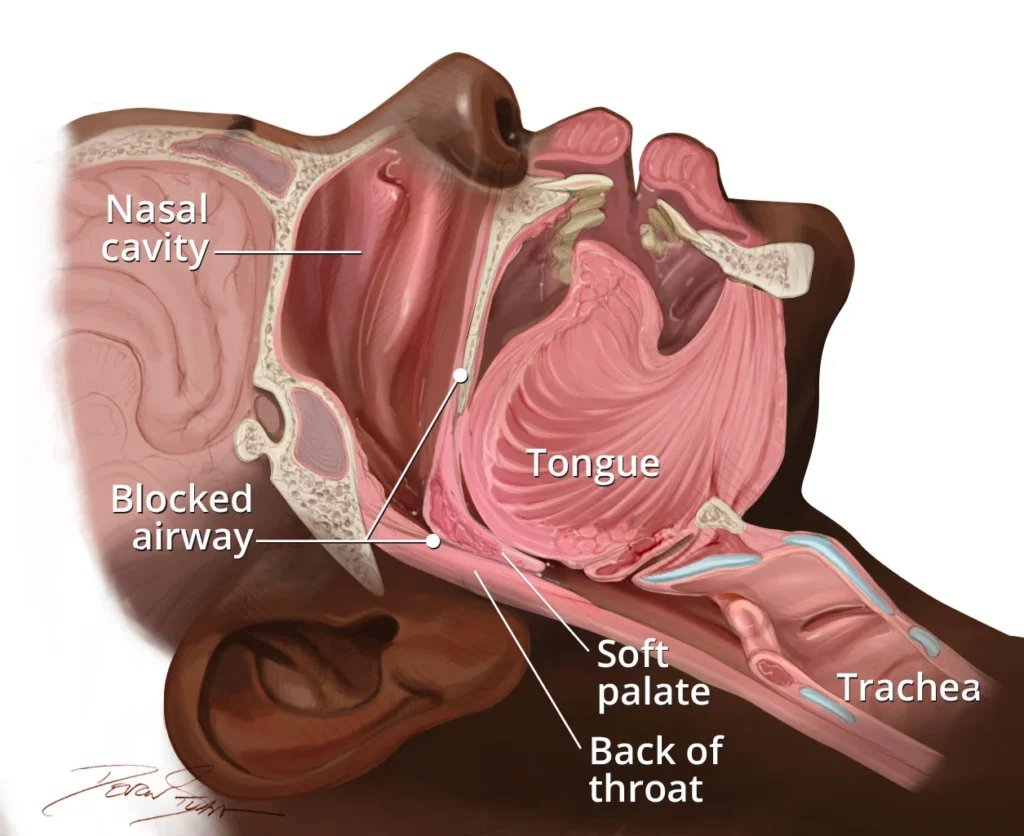
Snoring is vibration. Air is trying to move through a narrowed pathway, and soft tissues respond like a loose flag in the wind. That narrowing can come from jaw position, tongue position, congestion, alcohol, sleep posture, or weight changes.
Sometimes, though, snoring is a sign of something bigger: sleep apnea. Sleep apnea involves repeated breathing disruptions during sleep and can affect oxygen levels and sleep architecture. If you suspect it, don’t treat snoring as “just noise.”
Snoring vs. sleep apnea: the quick screen
- More likely simple snoring: mostly bothers your partner, improves with side sleeping, no major daytime sleepiness.
- More concerning for sleep apnea: choking/gasping, witnessed breathing pauses, morning headaches, high blood pressure, or you’re exhausted despite “enough” hours.
There’s also a practical reason sleep apnea keeps showing up in the news: it intersects with benefits, documentation, and disability ratings for some groups. If that’s relevant to you, start with reputable overviews like Sleep Apnea VA Rating Guide: How to Get 50% or Higher and follow up with a clinician for personalized steps.
How to try at home (a simple, low-drama plan)
If your goal is better sleep quality, don’t start with ten gadgets. Start with two nights of observation, then one change at a time. That’s how you learn what actually moves the needle.
Step 1: Do a two-night baseline
- Ask your partner for a 1–10 “snore score,” or use a basic snore recorder.
- Note alcohol, late meals, congestion, and sleep position.
- Write down how you feel at 2 p.m. (not just in the morning).
Step 2: Fix the easy amplifiers first
These aren’t magic, but they’re common multipliers:
- Side sleep: back sleeping often worsens snoring.
- Alcohol timing: closer to bedtime can relax airway tissues more.
- Nasal comfort: manage dryness or congestion so you’re less likely to mouth-breathe.
Step 3: Consider an anti snoring mouthpiece
An anti-snoring mouthpiece typically works by positioning the lower jaw or tongue to reduce airway collapse and vibration. In plain terms: it tries to make the “air tunnel” less floppy.
People often look for these when the snoring is positional, when travel makes it worse, or when a partner is ready to move to the couch. If you want a combined approach, you can look at an anti snoring mouthpiece, which aims to support jaw positioning while also discouraging mouth opening.
Fit and comfort: what to watch for
- Normal early effects: extra saliva, mild jaw fatigue, temporary tooth pressure.
- Not-normal: sharp pain, worsening jaw clicking, or symptoms that keep escalating.
- Consistency matters: give it several nights before you judge it, unless you’re in pain.
When to stop experimenting and get checked
Home trials are fine for straightforward snoring. But certain patterns deserve medical attention because sleep apnea and other issues can be involved.
Make an appointment if you notice any of these
- Breathing pauses, choking, or gasping during sleep
- Daytime sleepiness that affects driving, work, or mood
- High blood pressure, morning headaches, or frequent nighttime bathroom trips
- Snoring plus significant insomnia or persistent reflux symptoms
A clinician may recommend a sleep study and discuss treatment options. That can include PAP therapy, oral appliances fitted by dental sleep specialists, and targeted changes based on your anatomy and sleep data.
FAQ: quick answers before you buy anything
Can an anti snoring mouthpiece improve sleep quality?
It can, especially if snoring is disrupting you or your partner. Better sleep quality usually shows up as fewer awakenings, less dry mouth, and improved daytime energy.
What if my partner says I snore only sometimes?
Intermittent snoring is common. Look for triggers like alcohol, allergies, back sleeping, and travel fatigue. Then test one change at a time.
Are “new devices in trials” better than current options?
Not automatically. Trials are promising because they test real outcomes, but availability and fit still matter. Proven basics—position, nasal comfort, and well-designed oral devices—remain the starting point for many people.
CTA: get a clear answer, not another sleepless week
If snoring is turning your nights into negotiations, start with a simple plan and a tool you can actually use consistently. Comfort and follow-through beat hype.
How do anti-snoring mouthpieces work?
Medical disclaimer: This article is for general education only and is not medical advice. Snoring can have multiple causes, including sleep apnea. If you have choking/gasping, witnessed breathing pauses, significant daytime sleepiness, or other concerning symptoms, seek evaluation from a qualified healthcare professional.