
- Snoring is trending again because burnout, travel fatigue, and sleep gadgets are everywhere.
- Sleep quality is the real target: fewer wake-ups, better mornings, less “brain fog.”
- An anti snoring mouthpiece can be a practical first step for many everyday snorers.
- Not all snoring is harmless; some patterns overlap with obstructive sleep apnea.
- Couples don’t need a “snore war”; you need a simple plan and a few checkpoints.
Why is everyone suddenly talking about snoring and sleep quality?
Sleep has become a status symbol and a coping tool. People track it, optimize it, and joke about it in group chats. Meanwhile, workplace burnout and long-haul travel have made “tired” feel like a personality trait.
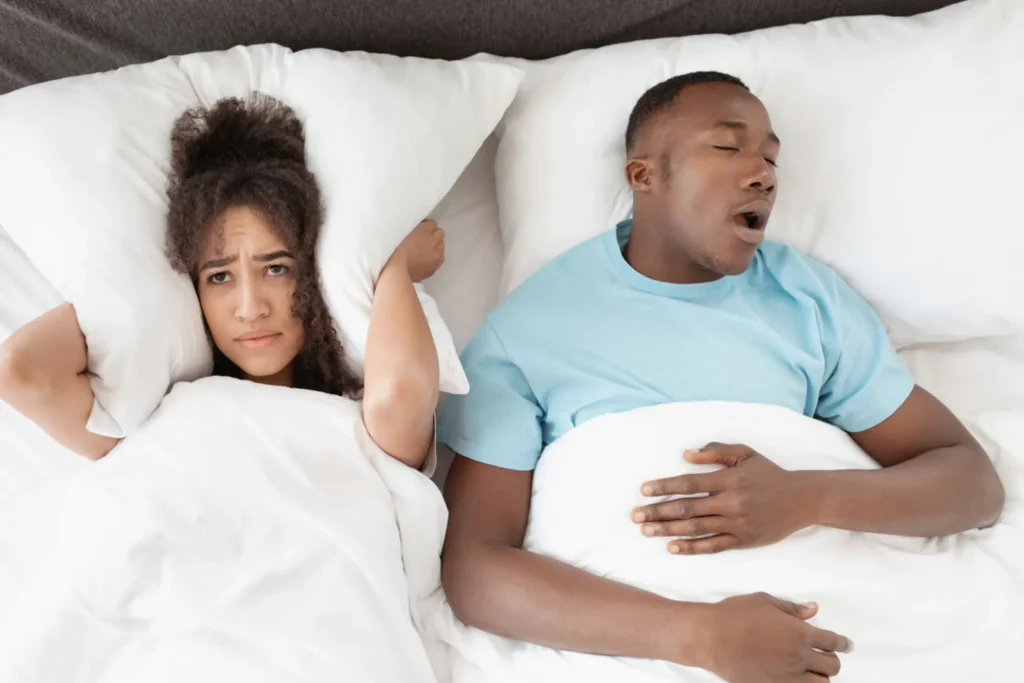
That cultural noise matters because it changes what people try first. A new wearable, a white-noise app, or a viral “sleep hack” can sound easier than addressing snoring directly. But if snoring is waking you (or your partner), you’ll keep losing sleep until airflow improves.
What the headlines hint at (without overcomplicating it)
Recent coverage has highlighted a few themes: clinicians being recognized for sleep apnea care, more public education on obstructive sleep apnea symptoms, and ongoing development of oral appliances—including models that fit into a more “connected” care ecosystem.
If that sounds like a lot, boil it down to this: sleep-disordered breathing is taken seriously, and oral appliances remain a mainstream conversation.
How do you tell “normal snoring” from something more serious?
Snoring exists on a spectrum. Some snoring is mostly about position, congestion, alcohol, or anatomy. Other snoring can overlap with obstructive sleep apnea, a condition associated with repeated breathing interruptions during sleep.
Use this quick checkpoint. If snoring comes with witnessed breathing pauses, choking/gasping, morning headaches, or major daytime sleepiness, treat it as a medical conversation—not just a nuisance.
When to stop guessing and get evaluated
Don’t wait for a “perfect” sign. If your partner is reporting pauses in breathing, or you’re nodding off at work, it’s worth getting assessed. The goal is safety and better rest, not self-diagnosis.
For a general reference tied to what’s been in the news, you can read more via this search-style link: Paducah physician recognized for excellence in obstructive sleep apnea surgery.
Where does an anti snoring mouthpiece fit in today’s sleep-health landscape?
People want low-friction fixes. That’s why mouthpieces keep coming up in conversations about sleep health. Compared with many “sleep gadget” trends, a mouthpiece targets a straightforward goal: reduce snoring by improving airflow mechanics during sleep.
A common category is mandibular advancement-style devices, which gently position the lower jaw forward. Another approach focuses on tongue stabilization. The right match depends on your anatomy, comfort, and any existing dental issues.
Why mouthpieces are getting renewed attention
Two reasons keep showing up in everyday talk. First, partners want a solution that doesn’t require separate bedrooms. Second, more people are hearing about oral appliances as part of broader sleep apnea and snoring discussions, including newer devices discussed alongside connected care trends.
Even if you don’t use a full “ecosystem,” the mindset is useful: measure what matters (how you feel), change one variable at a time, and keep the plan simple.
What should you look for before buying a mouthpiece?
Skip the hype and focus on fit, comfort, and consistency. A mouthpiece that sits in a drawer doesn’t improve sleep quality.
Use these filters:
- Comfort and adjustability: You need a fit you can tolerate all night.
- Breathing support: If nasal congestion is common, consider whether you also need a nasal routine.
- Jaw and dental safety: If you have TMJ pain, loose dental work, or gum disease, get professional input first.
- Partner impact: The best product is the one that reduces wake-ups for both of you.
A practical product option to compare
If you’re researching combined approaches, you can review an anti snoring mouthpiece. Combos are often considered by people who suspect mouth-breathing or jaw drop is part of their snoring pattern.
What lifestyle moves help snoring without turning your life upside down?
People love “8-step” lists, but most snorers do better with two or three changes they’ll actually keep. Think of it like travel packing: fewer items, used more often.
- Side-sleeping: For many, back-sleeping worsens snoring.
- Alcohol timing: Late-night drinks can make snoring louder for some people.
- Bedtime consistency: Sleep deprivation can worsen fragmented sleep and make snoring feel more disruptive.
- Nasal comfort: If you’re congested, a simple routine may help you breathe easier.
Pair one habit change with one tool (like a mouthpiece). Then reassess after a couple of weeks.
How do you keep snoring from turning into a relationship or work problem?
Relationship humor about snoring lands because it’s real. One person is tired, the other is defensive, and nobody wants a nightly argument at 2 a.m.
Make it a shared experiment. Agree on what “better” means (fewer wake-ups, less nudging, improved morning energy). Track results with a simple note in your phone, not an obsession-level dashboard.
At work, treat sleep like a performance input. If you’re constantly fatigued, snoring might be part of the picture, not just “stress.”
FAQs
Can an anti snoring mouthpiece help right away?
Some people notice less snoring quickly, especially if snoring is positional or related to jaw/tongue placement. Comfort and fit still matter, so allow a short adjustment period.
Is snoring always a sign of sleep apnea?
No. Snoring can be benign, but loud, frequent snoring plus choking/gasping, daytime sleepiness, or witnessed breathing pauses can be a red flag worth discussing with a clinician.
What’s the difference between a mouthpiece for snoring and a CPAP?
CPAP delivers pressurized air to keep the airway open and is a common therapy for obstructive sleep apnea. Mouthpieces are oral appliances that aim to improve airflow by repositioning the jaw or stabilizing the tongue, depending on design.
Do “connected” sleep gadgets replace medical care?
They can help you notice patterns, but they don’t diagnose conditions like obstructive sleep apnea. Use the data as a prompt for better habits or a conversation with a professional.
What are common side effects of mouthpieces?
Temporary jaw soreness, tooth discomfort, dry mouth, or excess saliva can happen. If pain persists, bite feels off, or you have dental issues, stop and get guidance from a dentist or clinician.
Ready to try a simpler snoring plan?
If snoring is wrecking sleep quality, don’t chase ten trends at once. Pick one habit change and one tool, then evaluate the results.
How do anti-snoring mouthpieces work?
Medical disclaimer: This article is for general education only and is not medical advice. Snoring can be a symptom of obstructive sleep apnea or other health conditions. If you have breathing pauses, choking/gasping, significant daytime sleepiness, or concerns about your heart or lungs, seek evaluation from a qualified clinician.