
On the third night of a work trip, someone in the hotel room next door starts snoring like a leaf blower. You try a pillow over your head. You try a meditation app. You even consider sleeping in the bathtub.
By morning, you’re foggy, irritable, and ready to buy every sleep gadget the internet can ship overnight. That’s the moment most people start asking: is an anti snoring mouthpiece actually worth it, or is it just another drawer-clutter purchase?
Why is everyone suddenly talking about snoring and sleep health?
Sleep is having a cultural moment. Wearables score your “readiness.” Smart rings grade your recovery. Social feeds push mouth tape, nasal strips, white noise machines, and travel sleep kits.
At the same time, major health outlets keep reminding people that snoring isn’t always harmless. The conversation often circles back to sleep apnea, heart health, and the difference between obstructive and central patterns—topics you’ll see reflected in headlines and explainers.
If you want a quick overview of that comparison, see Central Sleep Apnea vs. Obstructive Sleep Apnea: Which Is More Serious?.
What does snoring do to sleep quality (besides annoying everyone)?
Snoring can be a relationship punchline, but the impact is real. It can fragment sleep for the snorer, the partner, or both. Even if you don’t fully wake up, repeated micro-arousals can leave you feeling unrefreshed.
That shows up as daytime sleepiness, morning headaches, low patience, and “why am I so burnt out?” vibes at work. For some people, snoring is also a clue that airflow is restricted during sleep.
When is snoring just noise—and when is it a red flag?
Snoring varies. Some people snore lightly during allergies. Others get louder on their back or after alcohol. That can still be disruptive, but it doesn’t automatically mean apnea.
Consider getting checked if any of these are true:
- Someone notices pauses in breathing, choking, or gasping.
- You wake up with a racing heart, dry mouth, or headaches often.
- You’re tired despite “enough” hours in bed.
- You have high blood pressure or other cardiovascular risk factors.
Bottom line: a mouthpiece can be a practical tool for snoring, but it shouldn’t be used to ignore warning signs.
Do anti-snoring mouthpieces actually work—and for who?
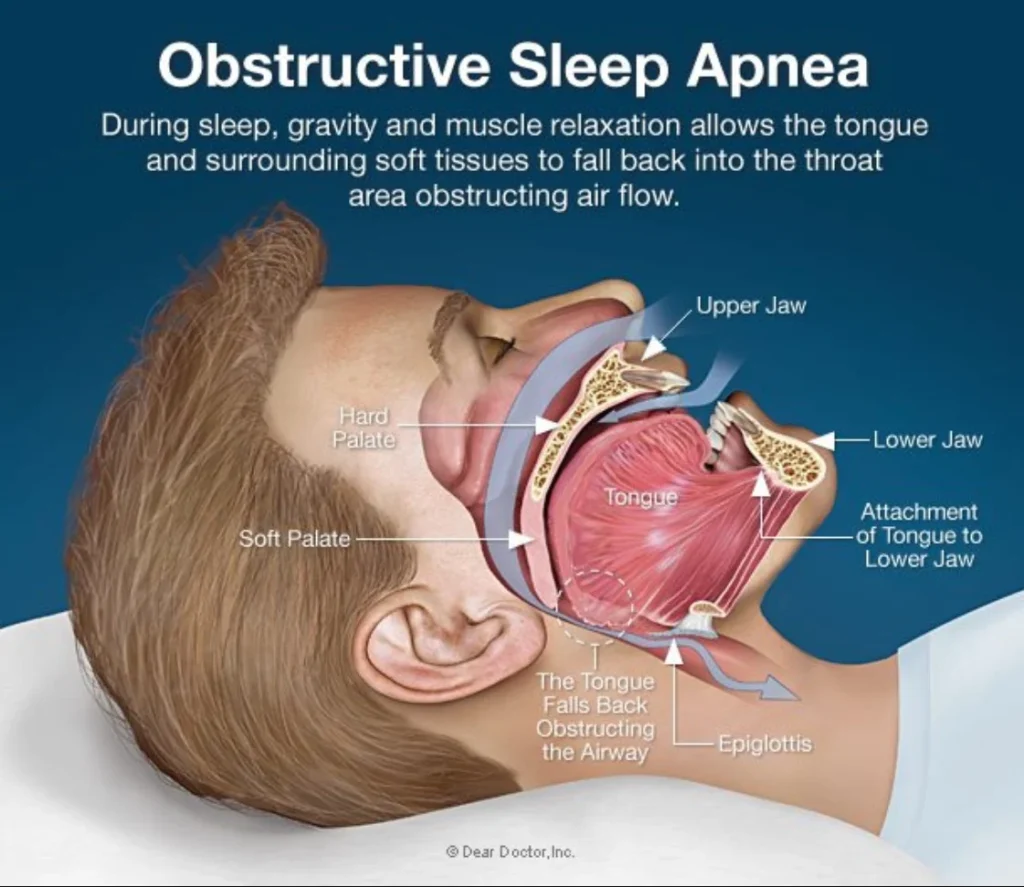
Many mouthpieces are designed to improve airflow by adjusting jaw position (mandibular advancement) or controlling tongue position. The goal is simple: reduce airway collapse and vibration that drives snoring.
They tend to be a better bet when:
- Snoring is worse on your back.
- You suspect jaw/tongue position plays a role.
- You want a non-machine option to try at home.
They’re less likely to be a good DIY experiment if you have significant jaw pain, unstable dental work, or strong signs of sleep apnea that need clinical evaluation.
What’s the smartest way to try a mouthpiece without wasting money?
Skip the “add to cart” impulse for a minute. First, run a fast, practical baseline so you can tell if anything improves.
Step 1: Track 7 nights (cheap, useful)
Use a notes app. Log bedtime, alcohol, congestion, sleep position, and a simple morning rating (0–10). If you can, record snoring for a couple nights. You’re looking for patterns, not perfection.
Step 2: Fix the obvious friction points
Try side sleeping support, manage nasal congestion, and keep alcohol earlier in the evening. These changes cost little and help you judge what a mouthpiece adds.
Step 3: Choose a product with a clear use case
If your main issue is snoring plus mouth-breathing or your jaw drops open, a combo approach may make sense. One option to compare is this anti snoring mouthpiece.
Whatever you choose, prioritize clear sizing/fit guidance, materials you can identify, and cleaning instructions you’ll actually follow.
Are sleep gadgets replacing real sleep care?
Not replacing—just competing for attention. Connected sleep devices and oral appliances are getting more visibility, including systems that fit into broader “connected care” ecosystems. That’s interesting progress, but it can also create noise in the market.
A practical filter helps: if the product pitch skips screening, ignores symptoms, or promises a cure for everyone, move on. Sleep is personal. Your plan should be, too.
How do you know if a mouthpiece is helping?
Use the same 7-night log after you start. Look for changes in:
- Snoring volume/frequency (partner feedback counts).
- Morning dryness or headaches.
- Daytime alertness and mood.
If you see no improvement after a reasonable adjustment period, don’t keep buying upgrades out of frustration. That’s how “sleep shopping” turns into a cycle.
Common comfort problems—and quick fixes
“My jaw feels sore.”
Mild soreness can happen early on. If pain is sharp, persistent, or worsening, stop and consider a dental consult—especially if you have TMJ history.
“I drool or my mouth feels weird.”
That’s common at first. Focus on fit, cleaning, and gradual adaptation. If you can’t tolerate it after a couple weeks, it may not be your tool.
“I’m still tired.”
Persistent fatigue is a signal. A mouthpiece might reduce noise while a deeper issue remains. Consider a clinician evaluation for sleep-disordered breathing.
CTA: Start with one clear question
If you want a straightforward starting point, begin here:
How do anti-snoring mouthpieces work?
Medical disclaimer
This article is for general education only and isn’t medical advice. Snoring can be a symptom of sleep apnea or other health conditions. If you have choking/gasping, witnessed breathing pauses, significant daytime sleepiness, chest pain, or concerns about your heart health, seek evaluation from a qualified clinician.