
Is your snoring messing with your sleep quality?
Are you wondering if an anti snoring mouthpiece is actually safe and legit?
And do you need to worry about sleep apnea before you buy another “sleep gadget”?
Yes, snoring can crush sleep quality for both the snorer and the person next to them. A mouthpiece can be a reasonable next step for the right person, but only if you screen for red flags and use it safely. And if sleep apnea is in the picture, you’ll want to treat that as a health issue, not a shopping problem.
Why does snoring feel like it’s everywhere right now?
Sleep has turned into a full-blown trend. Wearables grade your “readiness,” apps score your deep sleep, and travel days leave people feeling jet-lagged even without crossing time zones. Add workplace burnout and late-night scrolling, and you get a perfect storm: lighter sleep, more snoring complaints, and more people hunting for fixes.
There’s also the relationship factor. Snoring jokes land because they’re relatable. Many couples are quietly trying “sleep divorces” (separate rooms) or testing products that promise quieter nights.
What’s the real link between snoring and sleep quality?
Snoring is noise caused by vibration in the upper airway. Even when it’s “just snoring,” it can fragment sleep. That means you may spend enough hours in bed but still wake up unrefreshed.
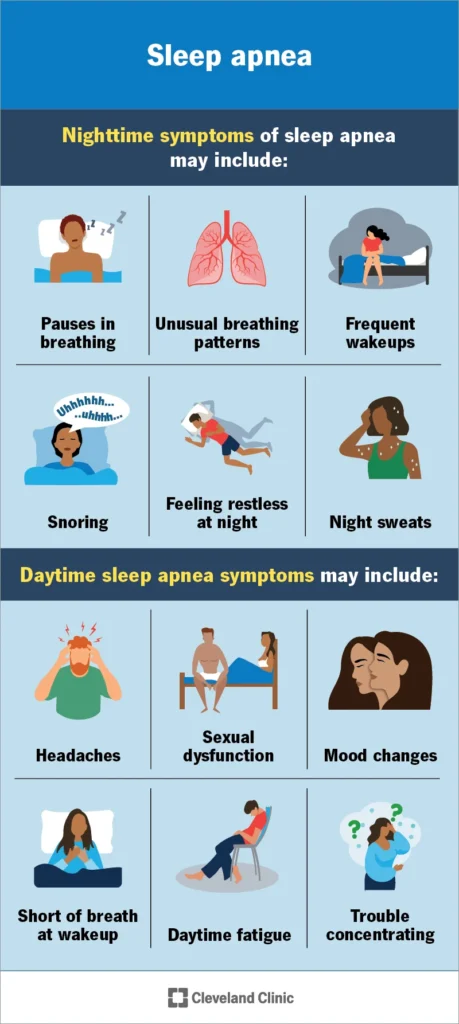
Snoring can also be a sign that breathing is restricted. Sometimes that points to obstructive sleep apnea, which is why screening matters. If you want a quick reality check, look up SleepZee Reviews 2026: Is It Safe and Legit? Clinical Analysis of This Mandibular Advancement Device. If several match your situation, don’t guess—get evaluated.
How does an anti snoring mouthpiece help, in plain English?
Most anti-snoring mouthpieces are mandibular advancement devices (MADs) or similar designs. They aim to position the lower jaw slightly forward. That can help keep the airway more open for some people, which may reduce the vibration that causes snoring.
They’re popular because they’re small, travel-friendly, and don’t require charging. In a world of bedside tech, a simple device can feel refreshingly low-maintenance.
Who tends to do well with a mouthpiece?
A mouthpiece may be worth considering if snoring is frequent, you mainly snore when sleeping on your back, and you don’t have strong apnea warning signs. People who want a non-invasive option often start here.
Who should pause before buying?
Hold off and get medical input if you have loud snoring plus choking/gasping, marked daytime sleepiness, morning headaches, or witnessed breathing pauses. Also pause if you have significant TMJ pain, loose teeth, active gum disease, or major dental work that could be affected by pressure.
Is it safe and legit—or is it hype?
Safety depends less on marketing and more on fit, materials, cleaning, and your health profile. Reviews and “clinical analysis” style coverage have pushed mouthpieces into the spotlight, but your decision should still be documented and practical.
A simple safety screen before you use one
- Rule out red flags: If apnea seems possible, prioritize evaluation.
- Check dental readiness: Mouthpieces can stress teeth and the jaw. Existing dental issues can worsen.
- Start low and slow: Don’t crank advancement aggressively on night one.
- Track symptoms: Note jaw soreness, bite changes, gum irritation, or headaches.
Hygiene and infection risk: the unsexy part that matters
A mouthpiece sits in a warm, moist environment. That’s great for microbes. Clean it daily, let it dry fully, and store it in a ventilated case. Replace it if it cracks, gets rough edges, or develops persistent odor or discoloration.
Comfort and legal-risk common sense
If a device causes pain, sores, or bite changes that don’t settle quickly, stop using it and consider professional advice. Don’t share mouthpieces. Keep the packaging and note the start date, especially if you’re comparing products or returning one.
What else are people doing for better sleep right now?
The current sleep conversation isn’t just about snoring. It’s also about routines that protect sleep quality. One trend that keeps popping up is setting a firm “work cutoff” before bed. The idea is simple: stop revving your brain late at night so sleep comes easier.
Also consider basics that stack well with a mouthpiece: side sleeping, limiting alcohol close to bedtime, and treating nasal congestion when it’s present. These don’t require fancy gear, and they can make any snoring strategy work better.
Which type of mouthpiece should you look at?
Different designs fit different mouths and tolerance levels. Some are adjustable, some are one-piece, and some focus on tongue positioning. If you’re comparing options, start with comfort, material quality, and clear instructions.
If you want a place to browse without getting lost in jargon, see anti snoring mouthpiece.
FAQ: quick answers people ask before they click “buy”
Do anti-snoring mouthpieces work for everyone?
No. They help some people, but not all snoring has the same cause.
Is a boil-and-bite mouthpiece safe?
Often, but only if it fits well and you stop if it causes pain or bite changes.
How long does it take to get used to one?
Many people adapt over several nights to a couple of weeks.
Can a mouthpiece treat sleep apnea?
It may be part of care for some, but suspected apnea needs proper evaluation.
What’s the biggest mistake people make?
Ignoring red flags and forcing a painful fit.
Bottom line: buy like a grown-up, not like a tired person at 1 a.m.
If snoring is hurting sleep quality, an anti snoring mouthpiece can be a practical tool. Treat it like a health purchase, not a novelty gadget. Screen for apnea, prioritize fit and hygiene, and stop if it creates jaw or tooth problems.
Medical disclaimer: This article is for general education and is not medical advice. Snoring can signal a medical condition such as sleep apnea. If you have breathing pauses, choking/gasping, significant daytime sleepiness, or persistent symptoms, talk with a qualified clinician.