
Snoring isn’t just a punchline. It can quietly wreck sleep quality for two people at once. And lately, it’s showing up everywhere—sleep gadgets, “high-performer” routines, and the endless search for a quick fix.
The practical takeaway: an anti snoring mouthpiece can be a smart tool, but it works best when you match it to the likely cause of your snoring.
Why does snoring feel so much worse lately?
People are stretched thin. Burnout makes sleep lighter, and light sleep makes noise harder to ignore. Add travel fatigue, dry hotel air, and irregular bedtimes, and snoring can spike even if nothing “major” changed.
There’s also a cultural shift: more tracking, more optimization. Sleep apps and wearables can be useful, but they also make you notice every rough night. That can push people toward gadgets before they try basics.
What’s trending in sleep talk right now?
You’ve probably seen the themes: consistent routines, simple sleep hygiene habits, and products that promise better breathing at night. Nasal aids get a lot of attention, and so do mouthpieces that reposition the jaw.
For a broader read on airway discussions in dentistry—especially how airway health comes up early in life—see this related coverage: 5 key sleep hygiene habits of highly successful people — and how they help you sleep for longer after just one night.
What actually causes snoring in plain English?
Snoring usually happens when airflow gets turbulent and nearby tissues vibrate. The “where” matters. Some people feel it behind the nose. Others notice it more in the throat, especially when the jaw drops back during sleep.
That’s why one-size-fits-all advice fails. If your snoring is mostly positional, a product that changes jaw or tongue posture may help. If it’s mostly nasal, you may need a different approach.
Common patterns people recognize
- Back-sleeping snore: louder when you’re on your back, quieter on your side.
- Congestion snore: worse with allergies, colds, dry air, or travel.
- Alcohol/late-night snore: noticeably louder after evening drinks or heavy late meals.
- Always-loud snore: consistent, disruptive, and paired with unrefreshing sleep.
Where does an anti snoring mouthpiece fit in the mix?
An anti snoring mouthpiece is typically designed to help keep the lower jaw from sliding back and narrowing the airway. Some designs also help manage mouth opening, which can dry the throat and increase vibration.
Think of it like a “nighttime alignment nudge.” It doesn’t replace healthy sleep habits, but it can reduce one common mechanical trigger: jaw position during sleep.
Who tends to like a mouthpiece?
- People whose snoring is worse on their back.
- Couples who want a quieter bedroom without complicated setups.
- Travelers who want something packable compared with bulky gear.
Who should be cautious?
- Anyone with jaw pain, significant dental issues, or ongoing TMJ problems.
- People with symptoms that could point to sleep apnea (see red flags below).
Are nasal strips and dilators the “better” option?
Sometimes. Nasal aids are popular because they’re simple and low-commitment. If snoring is driven by nasal narrowing, they can feel like an immediate upgrade in airflow.
Research reviews have looked at nasal dilators in sleep-disordered breathing, with mixed results depending on the person and the outcome measured. The practical lesson is still useful: if the problem is mostly nasal, start there. If it feels deeper in the throat, consider a mouthpiece approach.
What sleep hygiene moves matter most (without turning it into a second job)?
“Successful-people sleep habits” get a lot of press, but you don’t need a perfect routine. You need a repeatable one. Start with changes that reduce snoring triggers and make sleep deeper.
- Lock in wake time: a steady morning anchor often improves the whole night.
- Cut late stimulants: caffeine late in the day can fragment sleep.
- Downshift before bed: dim lights, quieter content, and a short wind-down.
- Side-sleep support: a body pillow can help if back-sleeping is the loud mode.
- Alcohol awareness: if snoring spikes after drinks, that’s a clear lever to pull.
These aren’t glamorous, but they often make any device work better because the baseline sleep is less fragile.
How do you choose a mouthpiece without overthinking it?
Focus on comfort and consistency. The best option is the one you can actually wear. If you rip it out at 2 a.m., it’s not helping your sleep quality.
If you’re comparing products, look for a design that supports jaw position and addresses mouth opening if that’s part of your pattern. One example is an anti snoring mouthpiece, which pairs jaw support with added help keeping the mouth closed.
What are the red flags that mean “don’t DIY this”?
Snoring can be a sign of obstructed breathing during sleep. You can’t confirm that at home with a gadget. If any of the signs below show up, it’s time to talk with a clinician.
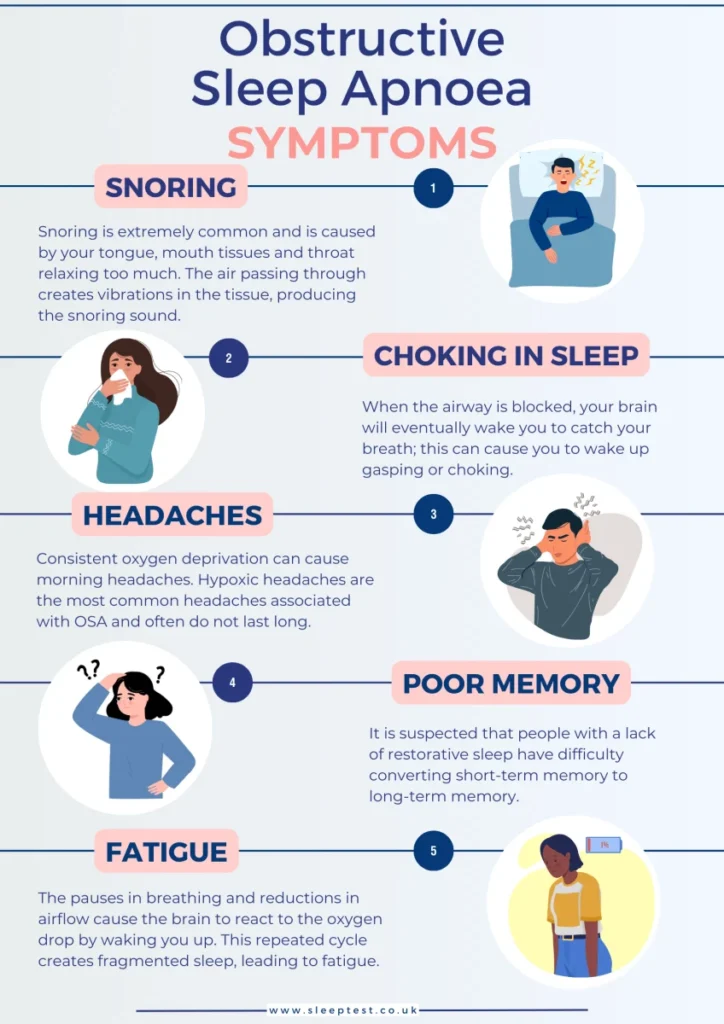
- Pauses in breathing, choking, or gasping during sleep
- Severe daytime sleepiness or dozing off unintentionally
- Morning headaches or waking with a racing heart
- High blood pressure or other cardiometabolic concerns
- Snoring in children
FAQ: quick answers people ask before they buy
Does a mouthpiece stop snoring immediately?
Some people notice change on the first night, while others need a short adjustment period. Comfort and fit matter a lot.
Can I combine a mouthpiece with nasal strips?
Many people do, especially during travel or allergy season. If symptoms persist, get medical advice.
Will better sleep hygiene make a mouthpiece unnecessary?
Sometimes. For others, hygiene improves sleep quality while the mouthpiece reduces noise. They can work together.
Next step: try a simple, realistic plan
Pick one habit change you can keep for two weeks. Then add one tool that matches your likely snoring pattern. Track how you feel in the morning, not just how loud the night sounded.
How do anti-snoring mouthpieces work?
Medical disclaimer: This article is for general education only and is not medical advice. Snoring can be a symptom of a medical condition, including sleep apnea. If you have breathing pauses, gasping, significant daytime sleepiness, or concerns about a child’s snoring, consult a qualified healthcare professional.