
Is your snoring getting worse, or are you just noticing it more?
Are viral sleep hacks (like mouth-taping) actually safe?
Could an anti snoring mouthpiece improve sleep quality without turning bedtime into a science project?
Yes, snoring can feel louder lately. People are traveling more, sleeping in new places, and trying new sleep gadgets. Add workplace burnout and late-night scrolling, and you get a perfect storm for lighter sleep and more complaints from a partner (or a hotel neighbor).
Viral fixes can sound tempting. Still, safety and screening matter more than trends. Below is a direct, practical way to think about snoring, sleep quality, and where an anti-snoring mouthpiece fits right now.
Why is everyone suddenly talking about snoring and “breathing fixes”?
Sleep has become a mainstream wellness topic. You see it in wearables, “sleep score” apps, and social posts about optimizing nighttime routines. Recently, discussions about breathing habits and quick fixes have also taken off, including warnings from scientists about viral mouth-taping.
Snoring is an easy target because it’s obvious. It disrupts sleep for the snorer and the person next to them. It also turns into relationship humor fast: one person wants silence, the other wants to “just fall asleep already.”
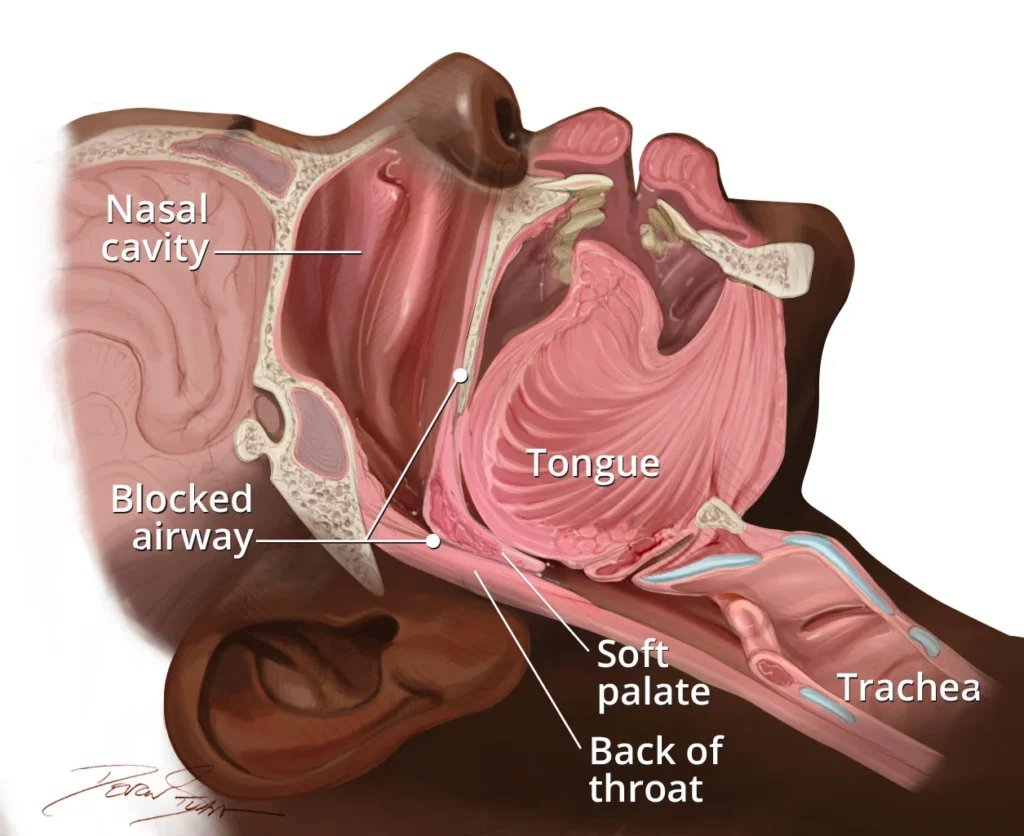
But snoring isn’t only a punchline. For some people, it can be a clue that the airway is narrowing during sleep.
Is snoring just noise, or is it hurting sleep quality?
Snoring can fragment sleep even if you don’t fully wake up. Your body may shift positions, tighten airway muscles, or briefly arouse to keep air moving. That can leave you feeling unrefreshed.
Sleep quality also suffers when snoring pairs with:
- Dry mouth in the morning
- Morning headaches
- Daytime sleepiness or “brain fog”
- Witnessed pauses in breathing, choking, or gasping
If those show up, treat it as a screening moment, not a DIY challenge. A clinician can evaluate for obstructive sleep apnea and other issues.
Is mouth-taping a smart idea for snoring?
Mouth-taping went viral because it sounds simple: keep the mouth closed, breathe through the nose, snore less. The problem is that sleep isn’t a controlled lab. Congestion, allergies, deviated septum, and reflux can all change airflow overnight.
That’s why recent coverage has highlighted expert concern about mouth-taping, especially for people who might have sleep apnea or nasal obstruction. If airflow is restricted, the risk calculus changes.
If you want to read more about the broader discussion, see this related coverage: Scientists warn against viral nighttime mouth-taping trend.
Bottom line: don’t seal or restrict breathing during sleep without medical guidance.
What does an anti snoring mouthpiece do, in plain English?
Most anti-snoring mouthpieces aim to keep the airway more open during sleep. A common design gently positions the lower jaw forward. That can reduce soft-tissue vibration in some people.
Think of it like creating a bit more “airspace” when your muscles relax at night. It doesn’t cure every cause of snoring. It also won’t be right for everyone, especially if you have certain dental or jaw issues.
How do you choose an anti-snoring mouthpiece without getting burned?
People are understandably skeptical. Recent consumer-focused stories have questioned big claims and company transparency around some snoring devices. That’s a useful reminder: treat purchase decisions like a small health decision, not an impulse buy.
Use a safety-and-screening checklist
- Screen first: If you suspect sleep apnea (pauses, gasping, heavy daytime sleepiness), prioritize a sleep evaluation.
- Fit matters: Poor fit can cause jaw soreness, tooth pressure, or headaches.
- Start low-risk: Choose options with clear sizing/fit guidance and realistic expectations.
- Plan for hygiene: Clean it regularly and store it dry to reduce odor and bacterial buildup.
- Document changes: Track snoring volume, sleep quality, and morning symptoms for a couple of weeks.
Watch for “stop” signals
Pause use and seek professional advice if you get persistent jaw pain, clicking that worsens, tooth movement, gum irritation, or new headaches. Comfort is not a bonus feature; it’s part of safety.
What else helps snoring and sleep health (without the hype)?
Small basics often beat complicated routines. If travel fatigue, stress, or burnout is driving lighter sleep, start with the boring wins:
- Side sleeping: Many people snore more on their back.
- Alcohol timing: Alcohol near bedtime can worsen snoring in some people.
- Nasal comfort: If you’re congested, address the cause (allergies, dryness) rather than forcing mouth closure.
- Consistent schedule: Even a 30–60 minute shift can help when your routine is chaotic.
These are general wellness steps. They aren’t a substitute for evaluation if symptoms point toward sleep apnea.
Which product style do couples and frequent travelers like?
If your main problem is “noise plus open-mouth sleeping,” a combo approach can feel more stable than a single tactic. Some people look for a mouthpiece paired with a chin strap to support closed-mouth posture without sealing the lips.
If you’re comparing options, here’s a relevant example: anti snoring mouthpiece.
Keep expectations realistic. The goal is fewer disruptions and better sleep quality, not perfection on night one.
FAQ: quick answers before you buy
Can an anti-snoring mouthpiece help if I only snore sometimes?
It can, especially if snoring spikes with travel, congestion, or back-sleeping. Track patterns so you know when it’s worth using.
Will a mouthpiece fix mouth breathing?
It may reduce snoring tied to jaw position, but mouth breathing often has nasal or habit components. Address nasal blockage and overall sleep habits too.
What’s the simplest way to tell if it’s working?
Use a snoring app or ask a partner. Also note morning dryness, headaches, and how rested you feel.
Next step: choose a safer, more testable plan
Skip the risky viral shortcuts. Use screening, pick a well-explained device type, and document your results. If red flags show up, get evaluated for sleep apnea.
How do anti-snoring mouthpieces work?
Medical disclaimer: This article is for general education only and is not medical advice. Snoring can be a sign of obstructive sleep apnea or other health conditions. If you have choking/gasping, witnessed breathing pauses, significant daytime sleepiness, chest pain, or persistent symptoms, seek care from a qualified clinician.