
Q: Why does snoring feel louder lately—are we just more tired?
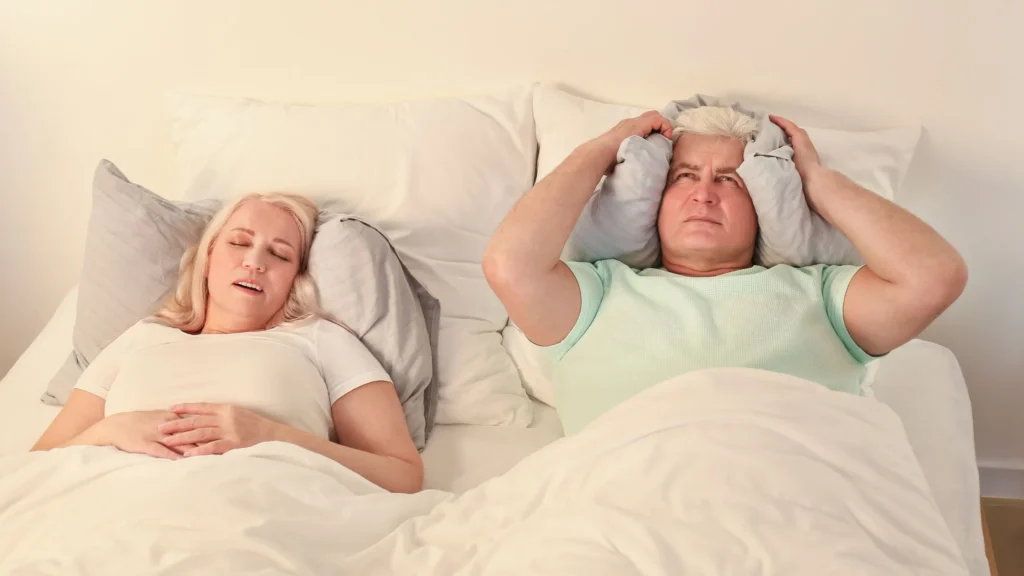
Q: Are sleep gadgets and “breathing fixes” actually helping, or just trending?
Q: Where does an anti snoring mouthpiece fit if you want better sleep quality without turning bedtime into a project?
Those are the right questions. People are talking about sleep more than ever, from workplace burnout to travel fatigue to the very real “we can’t both sleep” relationship jokes. Let’s turn the noise into a simple plan you can actually follow.
Overview: What’s driving the snoring + sleep quality conversation
Recent sleep coverage has leaned into a few themes: the cost of doomscrolling, the push for better sleep hygiene, and renewed interest in breathing patterns. At the same time, consumer reviews have put anti-snoring devices under a brighter spotlight, including questions about transparency and claims.
Here’s the grounded takeaway: snoring is common, but it can still wreck sleep quality for you and anyone within earshot. A mouthpiece can be a practical tool, yet it works best when you pair it with a few high-impact habits.
Timing: When to focus on snoring fixes (and when to pause)
Start with the “tonight” window
If your snoring is creating nightly conflict or you’re waking up unrefreshed, don’t wait for a perfect Monday. Pick a two-week trial window. That’s long enough to test a device and tighten your routine without overthinking it.
Use the “two hours before bed” rule as your anchor
One trend that keeps resurfacing is the idea of ending work earlier so your brain can downshift. If you can’t do two hours, do 45 minutes. The point is to stop feeding your nervous system right before sleep.
Know the red flags
Snoring plus choking/gasping, morning headaches, or heavy daytime sleepiness can be more than “just snoring.” Don’t self-manage those symptoms indefinitely. A clinician can help rule out sleep-disordered breathing.
Supplies: What you need for a realistic anti-snoring setup
- A mouthpiece you can tolerate (comfort beats hype).
- A simple tracking note: bedtime, wake time, how you felt, and whether snoring was reported.
- Backup basics: water by the bed, nasal support if you get congested, and a consistent wind-down cue.
If you’re comparing options, look for clear fit guidance, realistic expectations, and straightforward policies. Consumer skepticism is healthy here.
Step-by-step (ICI): A no-drama plan to improve sleep quality
I = Identify your likely snoring pattern
Keep it simple. Ask: does snoring spike after alcohol, late meals, travel days, or when you sleep on your back? Travel fatigue and irregular schedules can amplify snoring because your sleep gets lighter and more fragmented.
Also note the “scroll trap.” If you’re losing time to your phone, you’re not alone. If you want a quick cultural reference point, this is where SleepZee Mouth Guard Legitimacy Examined: 2026 Consumer Analysis Investigates Anti-Snoring Device Claims and Company Transparency has been a popular search-style thread.
C = Choose one device strategy (don’t stack five things at once)
If your snoring seems position- or jaw-related, a mouthpiece is a reasonable first device to test. Some people also like a chinstrap pairing to support mouth closure, especially if dry mouth is part of the story.
To explore a combined option, see this anti snoring mouthpiece. Keep expectations realistic: the goal is quieter nights and better sleep continuity, not perfection on day one.
I = Implement a 14-night trial with one habit upgrade
Run your test like a mini experiment:
- Nights 1–3: Focus on comfort and fit. Don’t judge results too fast.
- Nights 4–10: Add one sleep hygiene change (pick one): stop work earlier, reduce late scrolling, or keep a consistent lights-out time.
- Nights 11–14: Evaluate. Did you wake less? Did your partner report less noise? Do you feel more functional?
This approach matches how people actually live. You can’t fix burnout, travel schedules, and relationship sleep conflicts in one night. You can make measurable progress in two weeks.
Mistakes that waste money (and sleep)
Buying based on hype instead of fit and transparency
Consumer coverage has been tougher on big claims lately, and that’s a good thing. Look for clear instructions, realistic language, and easy-to-find company details. If the basics are missing, move on.
Changing everything at once
New pillow, new tracker, new supplement, new mouthpiece, new bedtime—then you can’t tell what helped. Pick one device and one habit. That’s it.
Ignoring breathing comfort
Breathing trends come and go, but comfort matters. If you’re congested or waking with a dry mouth, address that environment first (hydration, humidity, allergy basics). A mouthpiece is not a cure-all for every airway issue.
FAQ
Are anti-snoring mouthpieces safe?
Many people use them without major issues, but jaw discomfort and dental concerns can happen. If you have TMJ problems, dental work, or persistent pain, consult a dental professional.
What if snoring is worse after travel?
Travel fatigue, alcohol, and back-sleeping can all increase snoring. Use your trial window on normal weeks too, so you don’t judge results on a worst-case night.
Can I use a mouthpiece if I breathe through my mouth?
Some people can, especially with supportive strategies. If mouth breathing is constant, consider discussing it with a clinician, since congestion or airway factors may be involved.
CTA: Get a simple answer, then choose your next step
Want the quick, practical explanation before you commit to anything?
How do anti-snoring mouthpieces work?
Medical disclaimer: This article is for general education and does not diagnose, treat, or replace medical advice. If you have loud snoring with choking/gasping, significant daytime sleepiness, chest pain, or other concerning symptoms, seek evaluation from a qualified clinician.