
On a recent work trip, “Maya” did everything right. Early dinner. Hotel blackout curtains. White-noise app. Then her phone stole an hour with endless scrolling, and her partner texted the next morning: “You snored like a leaf blower.”
That mix of travel fatigue, gadget overload, and relationship humor is everywhere right now. People want better sleep, but they also want a fix that feels practical. If snoring is the loudest problem in the room, an anti snoring mouthpiece often lands on the shortlist.
What people are talking about right now (and why)
Sleep content is trending for a reason. Burnout is real, and many of us treat sleep like a subscription we keep forgetting to renew.
Recent conversations tend to cluster into a few themes:
- Sleep hygiene that’s actually doable: consistent wake times, cooler rooms, and fewer late-night doomscroll sessions.
- Breathing and airflow: people are paying attention to nasal breathing, congestion, and the “why do I wake up dry-mouthed?” question.
- Sleep gadgets: from trackers to sound machines to mouthpieces, shoppers want products that earn their spot on the nightstand.
- “Does this mouthpiece really work?” reviews: more buyers are looking for comfort, fit, and realistic expectations instead of miracle claims.
If you want a mainstream overview of sleep guidance making the rounds, see Expert shares tips on getting better sleep.
The medical reality: what snoring can (and can’t) mean
Snoring usually comes from vibration in the upper airway when airflow meets resistance. That resistance can show up from nasal congestion, sleeping on your back, alcohol close to bedtime, or anatomy that narrows the airway.
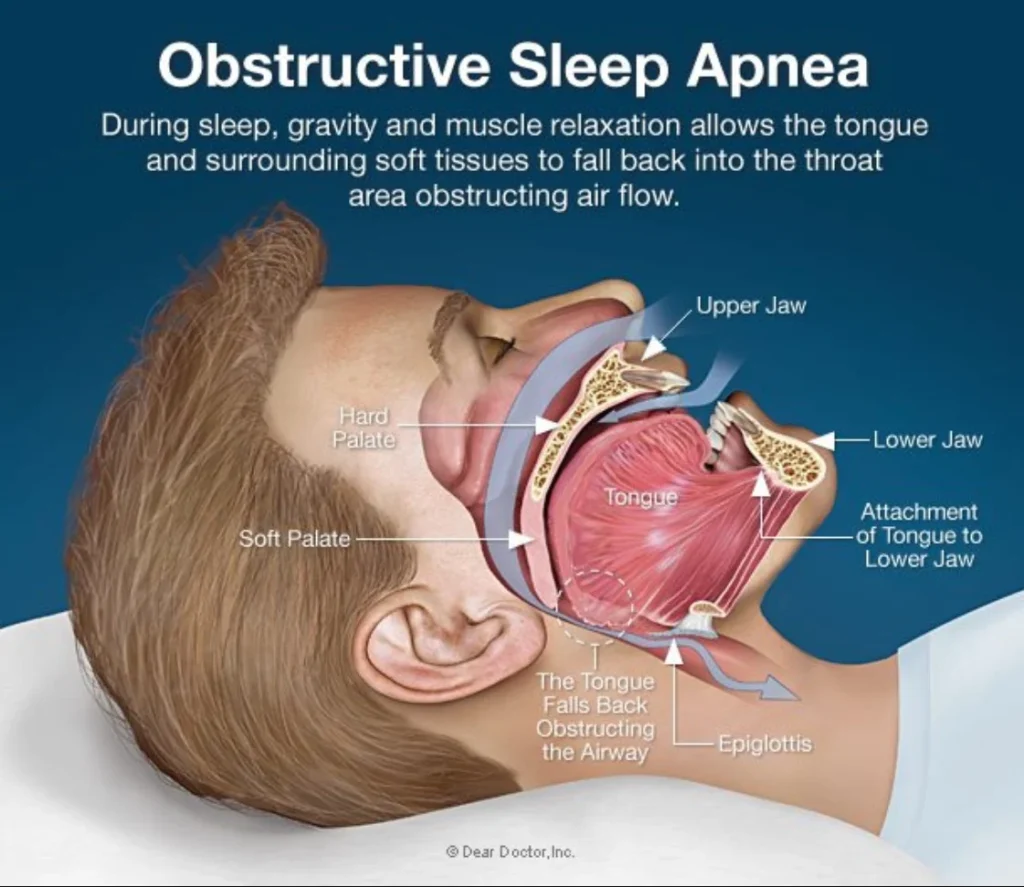
Snoring is common, and it’s not automatically dangerous. Still, it can signal a bigger issue for some people, including obstructive sleep apnea (OSA). With OSA, the airway repeatedly narrows or collapses during sleep, which can fragment rest and strain health over time.
Watch for red flags that deserve medical attention:
- Breathing pauses witnessed by a partner
- Choking or gasping during sleep
- Severe daytime sleepiness or dozing while driving
- Morning headaches, dry mouth, or high blood pressure concerns
If those sound familiar, don’t self-manage forever. Get evaluated.
What you can try at home tonight (before you buy anything)
Start with the low-cost levers. They help even if you end up using a mouthpiece later.
1) Positioning: make gravity work for you
Back sleeping often worsens snoring because the tongue and soft tissues fall backward. Side sleeping can reduce it for many people. If you always end up on your back, try a body pillow or a simple “keep-me-on-my-side” setup.
2) Cut the scroll trap
Late-night scrolling isn’t just time loss. It can keep your brain in “alert mode.” Set a hard stop and charge the phone away from the bed. Your partner may thank you twice.
3) Clear the nose, protect the routine
Congestion can push you toward mouth breathing, which can worsen dryness and snoring. A consistent wind-down routine and basic allergy control can help. If you’re sick or stuffed up, focus on recovery first.
Where an anti snoring mouthpiece fits (and how to choose)
If your snoring seems tied to jaw/tongue position or worsens on your back, a mouthpiece may be worth considering. Many devices aim to keep the airway more open by adjusting the lower jaw forward or stabilizing the tongue.
Comfort and fit: the real make-or-break factor
People quit mouthpieces for predictable reasons: bulky feel, soreness, drooling, or a “my bite feels weird” morning. When comparing options, prioritize:
- Fit method: look for designs intended to seat securely without excessive pressure.
- Adjustability: small changes can improve comfort and reduce jaw strain.
- Materials and edges: smooth contact points reduce gum irritation.
ICI basics: insertion, comfort, and integrity
- Insertion: seat it gently and consistently. Don’t force it.
- Comfort: mild adjustment is common early on, sharp pain is not.
- Integrity: check for cracks, rough spots, or warping that can irritate tissues.
Cleanup: keep it simple and consistent
Rinse after use and clean it regularly according to the product instructions. A clean device is more comfortable and less likely to smell or irritate your mouth.
If you’re comparing options, start here: anti snoring mouthpiece.
When it’s time to get help (not just try another gadget)
Snoring plus poor sleep quality can snowball into mood issues, focus problems, and relationship friction. If you’ve tried basic changes and the problem persists, consider a clinician visit or a sleep evaluation.
Get medical guidance sooner if you have apnea symptoms, significant daytime sleepiness, or if a mouthpiece causes ongoing jaw pain, tooth pain, or bite changes. Those aren’t “power through it” situations.
FAQ: quick answers people want
Will a mouthpiece stop snoring completely?
Sometimes, but not always. Many people aim for “quieter and less disruptive,” not perfection.
What if my snoring is worse when I’m stressed?
Stress can worsen sleep depth and routines, and it often increases late-night habits that hurt sleep. Address the schedule and wind-down first.
Can I use a mouthpiece if I have dental work?
It depends. If you have crowns, braces, TMJ issues, or gum disease, ask a dental professional before using one.
Next step: get the basics right, then choose one tool
Don’t build a “sleep gadget tower” on top of a shaky routine. Start with positioning, a consistent bedtime window, and less late-night scrolling. If snoring still drives the problem, a well-chosen mouthpiece can be a reasonable next tool.
How do anti-snoring mouthpieces work?
Medical disclaimer: This article is for general education and is not medical advice. Snoring can have many causes, including obstructive sleep apnea. If you have breathing pauses, choking/gasping, severe daytime sleepiness, or persistent symptoms, seek evaluation from a qualified clinician.