
Snoring used to be a punchline. Now it’s a whole category of sleep gadgets, travel hacks, and relationship negotiations.
Between burnout, doomscrolling, and red-eye flights, a “good night” can feel like a luxury item.
Thesis: If you’re considering an anti snoring mouthpiece, pair it with a simple safety screen and a few sleep-quality upgrades so you don’t miss a bigger issue.
What people are talking about right now (and why)
Sleep is having a moment. You’ll see conversations about new pillows, wearables that score your night, and “fresh start” routines for the new year. The vibe is the same: people want quick wins, and they want them at home.
Snoring sits right in the middle of these trends. It’s loud, it’s social (partners notice), and it shows up fast when life gets messy—think work stress, late meals, alcohol, or travel fatigue.
At the same time, headlines keep circling one important point: sometimes snoring is just snoring, and sometimes it’s a clue. That’s why screening matters before you treat it like a purely cosmetic problem.
What matters medically (plain-language, no drama)
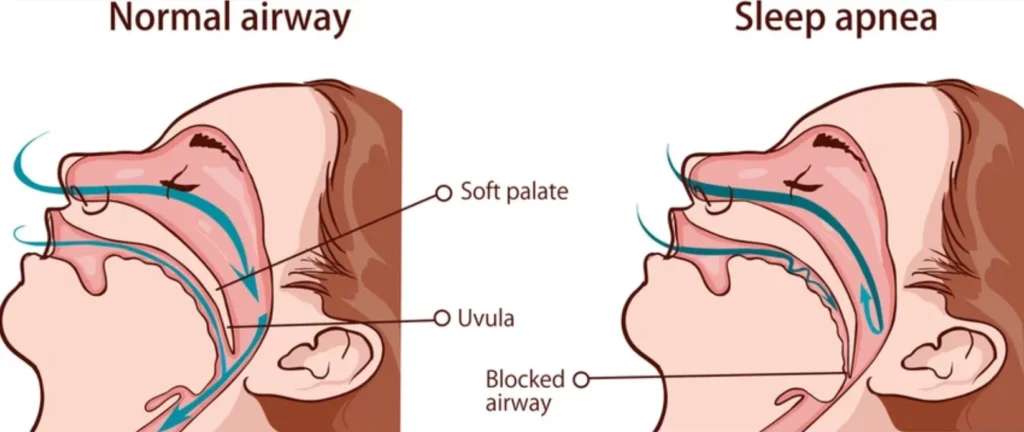
Snoring happens when airflow gets turbulent and tissues in the upper airway vibrate. That can be more likely with nasal congestion, sleeping on your back, alcohol near bedtime, certain jaw or tongue positions, and weight changes.
Snoring can also show up with sleep apnea, a condition where breathing repeatedly slows or stops during sleep. Not everyone who snores has sleep apnea, but the overlap is big enough that it’s worth knowing the warning signs.
Common red flags include loud snoring plus choking/gasping, witnessed breathing pauses, morning headaches, and significant daytime sleepiness. If that sounds familiar, read a reputable overview like Have Sleep Apnea Or Suspect You Do? Certain Pillows Might Help and consider getting evaluated.
Weight can play a role for some people, too. If your snoring changed after weight gain or improved after weight loss, that pattern is worth noting. Don’t treat weight as the only lever, though—airway anatomy, sleep position, and habits often matter.
What you can try at home (low-risk steps first)
1) Run a quick “snoring safety check”
Before you buy anything, answer these:
- Do I ever wake up gasping or choking?
- Has someone noticed breathing pauses?
- Am I unusually sleepy during the day?
- Do I have high blood pressure or frequent morning headaches?
If you answered “yes” to any, skip the self-experiment marathon and move to the “When to seek help” section below.
2) Test position and routine for 7–14 nights
Try side-sleeping support, especially if your snoring is worse on your back. Some people experiment with specialty pillows or simple positioning tricks. Keep it boring and consistent so you can tell what’s working.
Also tighten the basics for two weeks: limit alcohol close to bedtime, avoid heavy late meals, and set a steady wake time. If overthinking keeps you up, set a “screens down” checkpoint and do a short wind-down routine instead.
3) Where an anti snoring mouthpiece can fit
An anti snoring mouthpiece is designed to change jaw or tongue position to help keep the airway more open during sleep. For some sleepers, that can reduce vibration and noise. It can also help when snoring is tied to jaw position or back-sleeping.
If you want to compare anti snoring mouthpiece, document your baseline first. Track snoring volume (partner notes or an app), morning dryness, and daytime energy. Then change one thing at a time.
4) Use a “comfort and safety” checklist
- Fit and comfort: discomfort that lasts beyond an adjustment period is a stop sign.
- Jaw symptoms: jaw clicking, sharp pain, or headaches that ramp up need attention.
- Dental considerations: loose teeth, gum disease, or active dental work deserve a dentist’s input.
- Hygiene: clean and dry the device as directed to reduce odor and irritation risk.
This is the unsexy part, but it matters. A mouthpiece you can’t tolerate won’t help your sleep quality.
When to get help (don’t white-knuckle it)
Get evaluated for sleep apnea if you have loud snoring plus choking/gasping, witnessed pauses, or major daytime sleepiness. The same goes if your partner reports long quiet gaps followed by snorts or gasps.
Seek dental guidance if you have persistent jaw pain, bite changes, or tooth pain with a mouthpiece. A clinician can help you choose safer options based on your mouth and your goals.
If burnout and anxiety are the bigger story, consider addressing the mental load alongside the snoring. Sleep quality often improves when stress and pre-bed stimulation come down.
FAQs
Can an anti snoring mouthpiece help everyone who snores?
No. It can help some people, especially with position-related snoring, but it may not help if snoring is driven by nasal blockage or untreated sleep apnea.
Is loud snoring always sleep apnea?
Not always. Snoring is common, but pauses in breathing, gasping, and strong daytime sleepiness are reasons to get screened.
Do special pillows stop snoring?
Some people snore less when they stay off their back. A pillow or positioning approach may help, but results vary by person and anatomy.
What side effects can mouthpieces cause?
Possible effects include jaw soreness, tooth discomfort, dry mouth, extra saliva, and bite changes over time. Stop if pain persists and consider dental guidance.
What’s a safe way to test whether my snoring is position-related?
Try side-sleeping support, reduce alcohol near bedtime, and track snoring and daytime energy for 1–2 weeks. If you still have red flags, seek evaluation.
Should I use a mouthpiece if I think I have sleep apnea?
If you suspect sleep apnea, prioritize screening. A mouthpiece may be part of a plan, but a clinician should confirm what’s going on first.
Next step: make your trial simple
Pick one change you can stick with for two weeks: side-sleeping support, a consistent wake time, or a mouthpiece trial with tracking. The goal is quieter nights and better daytime energy, not an endless drawer of sleep gadgets.
How do anti-snoring mouthpieces work?
Medical disclaimer: This article is for general education and is not medical advice. Snoring can be a sign of sleep apnea or other health conditions. If you have choking/gasping at night, witnessed breathing pauses, significant daytime sleepiness, or persistent symptoms, seek evaluation from a qualified clinician.