
On a red-eye flight home, an exhausted traveler dozed off and started snoring loud enough to earn a few side-eyes. The next day, the jokes continued at home. Then the real issue showed up: groggy mornings, short temper, and that “I slept, but I’m not rested” feeling.
Snoring is having a moment in the headlines again, right alongside sleep gadgets, burnout talk, and the new wave of “optimize your sleep” trends. The useful takeaway is simple: snoring can be harmless, but it can also be a warning sign. If you’re considering an anti snoring mouthpiece, you’ll want a quick way to sort “worth trying” from “get checked first.”
Is snoring just annoying, or could it be a health flag?
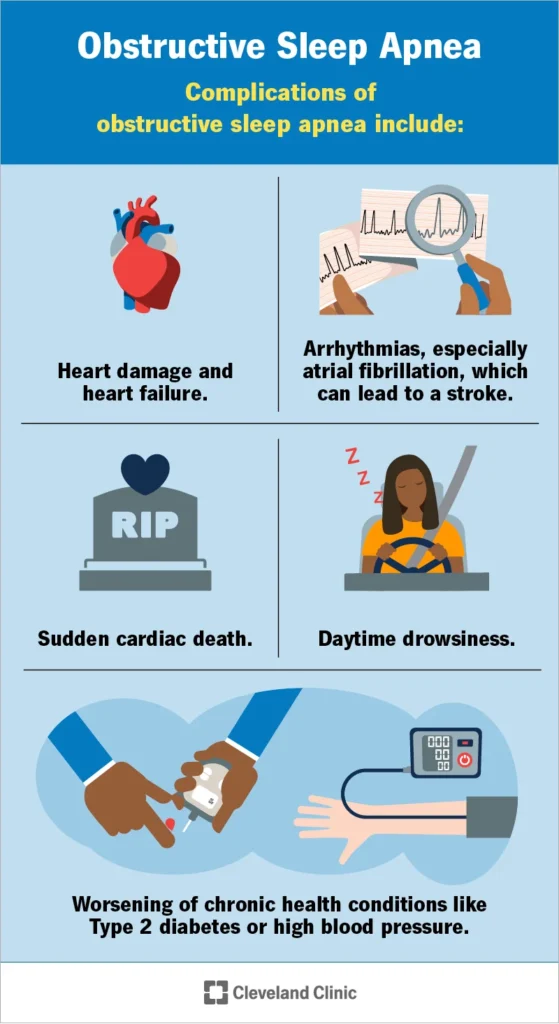
Sometimes it’s just noise from relaxed tissues and airflow. Other times, snoring travels with breathing disruptions that can point to sleep-disordered breathing, including obstructive sleep apnea.
Recent coverage has emphasized a common theme: don’t ignore snoring if it comes with bigger symptoms. If you want a general read on that conversation, see this related coverage: Snoring could be a sign of sleep apnea—see if this device can help.
Quick screening cues to take seriously
- Pauses in breathing, choking, or gasping during sleep (often noticed by a partner)
- Excessive daytime sleepiness, “brain fog,” or dozing off easily
- Morning headaches or dry mouth that keeps showing up
- High blood pressure history or new concerns about cardiovascular risk
If these sound familiar, treat shopping as secondary. Screening comes first.
Why is everyone suddenly talking about mouthpieces and sleep devices?
Sleep tech is everywhere: rings, watches, smart alarms, white-noise machines, even “sleep vacations” to pay off travel fatigue. People are also burned out. When your workload spikes, your sleep gets fragile, and snoring becomes harder to laugh off.
Mouthpieces fit this moment because they’re tangible and relatively simple. They don’t require charging. They also don’t rely on perfect “sleep hygiene” during a chaotic week.
What does an anti snoring mouthpiece actually do?
Most anti-snore mouthpieces aim to keep the airway more open by adjusting the position of your jaw or tongue during sleep. The most common style is a mandibular advancement device (MAD), which gently holds the lower jaw forward.
That small change can reduce tissue vibration for some sleepers, which can lower snoring volume. It won’t fit every cause of snoring, though. Nasal congestion, alcohol near bedtime, and sleep position can all play a role.
Who is a mouthpiece most likely to help (and who should pause)?
More likely to help: people with simple snoring, position-related snoring, or mild airway narrowing who can tolerate a dental device.
Pause and get medical guidance first: anyone with strong sleep apnea signs, significant jaw pain, loose teeth, untreated gum disease, or a history of TMJ issues that flare easily.
Relationship reality check
If your partner is joking about your snoring, it may still be hurting both of you. Fragmented sleep can show up as irritability, lower focus, and more conflict. Fixing the noise is nice. Protecting sleep quality is the bigger win.
What should you verify before buying a mouthpiece online?
Headlines and “consumer report” style articles are pushing buyers to verify claims, not just trust bold promises. That’s smart. Here’s a grounded checklist.
Buyer checklist (safety + credibility)
- Claims language: Be cautious with any product that guarantees a “cure” for sleep apnea.
- Materials and comfort: Look for clear material disclosure and care instructions.
- Fit method: Understand whether it’s boil-and-bite or another approach, and how adjustments work.
- Return policy: You may need a short trial to know if it’s tolerable.
- Side effects: Mild drooling or temporary soreness can happen. Severe pain is not “normal.”
How do you track whether it’s improving sleep quality?
Skip perfection. Use a simple two-week scorecard so you can document your decision.
- Partner report: fewer wake-ups, less volume, fewer “stop breathing” concerns
- Morning check: less dry mouth, fewer headaches, better mood
- Daytime function: fewer energy crashes, better focus, less reliance on late caffeine
If your snoring improves but fatigue doesn’t, that’s a reason to consider screening rather than buying more gadgets.
Where can you compare mouthpiece options without guessing?
If you’re exploring product types and fit styles, start with a clear category page and then narrow based on your needs. Here’s a place to review anti snoring mouthpiece and see what’s available.
FAQs
Can an anti snoring mouthpiece help with sleep apnea?
It may reduce snoring for some people, but it is not a guaranteed treatment for sleep apnea. If you have warning signs like choking, gasping, or daytime sleepiness, get screened.
What’s the difference between a mouthpiece and nasal strips?
A mouthpiece aims to change jaw or tongue position to keep the airway more open. Nasal strips mainly reduce nasal resistance and may help mild, nose-related snoring.
How long does it take to get used to a mouthpiece?
Many people need several nights to a few weeks. Start slowly and stop if you have significant pain or jaw locking.
Is loud snoring always a problem?
Not always, but it can be a clue. Loud, frequent snoring plus pauses in breathing, gasping, or morning headaches is worth medical evaluation.
What should buyers verify before purchasing?
Look for clear return terms, safe materials, realistic claims, and fit guidance. Avoid products that promise to “cure” sleep apnea without a clinician’s input.
Next step: learn the mechanism before you buy
How do anti-snoring mouthpieces work?
Medical disclaimer: This article is for general education only and is not medical advice. Snoring can be a symptom of obstructive sleep apnea or other health conditions. If you have breathing pauses, choking/gasping, significant daytime sleepiness, or ongoing concerns, seek evaluation from a qualified clinician.