
On the third night of a work trip, “Sam” did the math at 3:12 a.m. The hotel pillow was wrong, the room was dry, and the snoring was loud enough to feel like a second alarm clock. In the morning, the team joked about “sleep gadgets” and who had the best wearable score, but Sam’s real goal was simpler: get one solid night without wasting another week experimenting.
If that sounds familiar, you’re not alone. Snoring is having a moment in the culture—between burnout, travel fatigue, and the growing market of sleep coaching and bedtime tech. At the same time, stories keep popping up about new anti-snoring devices developed over years, which is a reminder that this isn’t just a punchline for couples. Better sleep is practical, and it affects everything you do the next day.
The big picture: why snoring and sleep quality are linked
Snoring usually means airflow is meeting resistance somewhere along the upper airway. That resistance can fragment sleep, even if you don’t fully wake up. Your bed partner may notice it first, but your daytime focus often pays the bill.
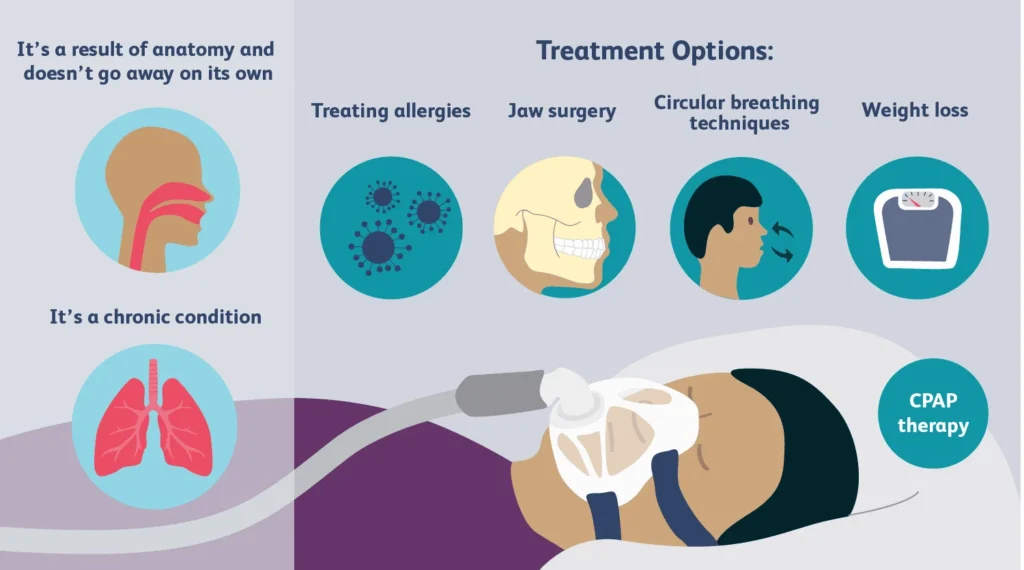
Snoring can also overlap with sleep apnea, a condition where breathing repeatedly stops or drops during sleep. Not every snorer has sleep apnea, but the overlap is common enough that it’s worth taking seriously—especially if you feel unrefreshed or excessively sleepy during the day.
In recent health coverage, clinicians have emphasized that sleep apnea isn’t just about noise. It can connect to broader health concerns, including heart-related risk factors, which is why persistent symptoms deserve medical attention.
The emotional side: relationships, embarrassment, and the “fix it now” trap
Snoring is weirdly social. It shows up in relationship humor, roommate drama, and that awkward moment when you share a room on a group trip. People often try to solve it fast—usually by buying the first trending gadget that promises a miracle.
That urgency makes sense. Poor sleep can amplify stress and workplace burnout, and it’s hard to be patient when you’re running on fumes. Still, a calmer approach saves money: pick one reasonable intervention, test it for a short window, and track results instead of stacking five changes at once.
Practical steps at home (without wasting a cycle)
Think of this as a simple, budget-friendly test plan. You’re trying to answer one question: “What actually changes my snoring and sleep quality?”
Step 1: Do a quick baseline for 3 nights
- Track a few signals: morning energy (1–10), dry mouth, headaches, and how often your partner notices snoring.
- Use a consistent setup: same bedtime window, similar caffeine/alcohol timing, and similar room temperature if possible.
- Optional: a phone snore recording app can help you compare nights. Treat it as a trend tool, not a diagnosis.
Step 2: Check the easy multipliers
- Sleep position: Many people snore more on their back. Side-sleeping is a low-cost experiment.
- Nasal comfort: Congestion can worsen snoring. If you’re stuffed up, address that first with general comfort measures you already know work for you.
- Timing: Late alcohol and heavy meals can make snoring worse for some people. If your loudest nights match those patterns, that’s a clue.
Step 3: Consider an anti snoring mouthpiece as a focused trial
An anti snoring mouthpiece (often a mandibular advancement-style device) aims to hold the jaw and tongue in a position that may reduce airway collapse or vibration for some sleepers. The appeal is straightforward: it’s a single change you can test at home without redesigning your entire routine.
To keep the trial clean, give it a fair run (for example, 7–14 nights), and keep everything else steady. If your snoring drops and you feel better, that’s useful information. If nothing changes, you learned that quickly too.
If you’re comparing options, a combined approach can be helpful for some people who also mouth-breathe at night. Here’s a relevant product example: anti snoring mouthpiece.
Safety and smart testing: when “snoring” might be something more
Snoring isn’t always harmless background noise. If you or a partner notices breathing pauses, choking/gasping, or intense daytime sleepiness, consider getting evaluated for sleep apnea. That’s especially important if you have high blood pressure or other cardiometabolic risk factors.
If you want context on what’s being discussed in the broader conversation about new devices and ongoing innovation, you can also browse coverage like Hampshire company invents and markets new anti-snoring device after years of research. Use articles like that for ideas and questions, not as personal medical guidance.
Comfort and fit: don’t ignore jaw signals
Mouthpieces can cause soreness, tooth discomfort, or jaw stiffness in some users. If pain is sharp, persistent, or worsening, stop and consult a dental professional. A bad fit can create new problems while you chase quieter nights.
Medical disclaimer
This article is for general education only and is not medical advice. It does not diagnose, treat, or replace care from a qualified clinician. If you suspect sleep apnea or have concerning symptoms, seek medical evaluation.
Quick FAQ
Do anti-snoring mouthpieces work for everyone?
No. They can help some people, especially when airway position plays a big role, but they aren’t universal.
What’s the difference between snoring and sleep apnea?
Snoring is noise from airflow resistance. Sleep apnea involves repeated breathing disruptions and can impact health and safety.
How long does it take to get used to a mouthpiece?
Often several nights to a few weeks. Comfort should improve, not deteriorate.
Can a mouthpiece replace CPAP?
In some cases, a clinician may recommend an oral appliance. CPAP remains a common option for diagnosed obstructive sleep apnea.
What are signs I should talk to a clinician instead of DIY?
Gasping/choking, witnessed pauses, severe daytime sleepiness, and morning headaches are common reasons to get checked.
CTA: make one change and measure it
If you’re tired of random fixes, run a simple trial. Track your baseline, choose one intervention, and see what actually moves the needle.