
Q: Is your snoring “just annoying,” or is it wrecking your sleep quality?
Q: Are sleep gadgets and trending hacks worth it, or is a simple mouthpiece the practical move?
Q: How do you decide fast—without wasting a month (or your partner’s patience)?
Snoring sits at the weird intersection of health trend and relationship comedy. One week it’s a new wearable score, the next it’s a travel-fatigue spiral after a red-eye. Add workplace burnout and you get the perfect recipe for lighter sleep and louder nights.
This guide keeps it simple. Use the “if…then…” branches below to decide whether an anti snoring mouthpiece fits your situation, what else to change at home, and when to stop DIY and get checked for sleep apnea.
First: decide what kind of problem you’re solving
Snoring is airflow turbulence. The “why” matters because the fix changes. Some people do great with a mouthpiece. Others need a different approach.
If your snoring is louder on your back, then start with positioning + a mouthpiece check
Back sleeping can let the jaw and tongue fall backward. That narrows the airway and ramps up noise.
- Then try: side-sleep support (pillow, backpack trick, or positional aid) for a week.
- Then consider: a mouthpiece if you also mouth-breathe or wake with a dry mouth.
Many people chase expensive sleep gadgets here. A cheaper win is changing position and testing a device that supports better airflow.
If you wake up with a dry mouth or your partner says you sleep “open-mouth,” then think airway stability
Mouth-breathing can worsen snoring and leave you feeling unrefreshed. It also turns “eight hours in bed” into low-quality sleep.
- Then try: a humidifier or simple bedroom moisture tweaks if the air is dry.
- Then consider: a combo approach that supports mouth closure and jaw position.
A practical option is an anti snoring mouthpiece, especially if your snoring seems tied to your mouth falling open.
If congestion is driving the noise, then fix the nose first (and don’t force a mouthpiece to do everything)
When your nose is blocked, your body defaults to mouth-breathing. That can make snoring worse, even if your jaw position is fine.
- Then try: allergy basics, a cleaner bedroom setup, and avoiding alcohol close to bedtime.
- Then decide: a mouthpiece may still help, but results can be limited if nasal airflow stays poor.
Keep the goal realistic: you’re improving airflow, not “hacking” sleep with one tool.
If you’re exhausted during the day, then treat snoring as a health signal—not only a sound problem
Recent sleep coverage has put sleep apnea back into everyday conversation, including benefits and documentation topics for veterans. If you’re researching paperwork or ratings, it’s a clue that snoring can be medically meaningful.
For general context, see this Sleep Apnea VA Rating Guide: How to Get 50% or Higher.
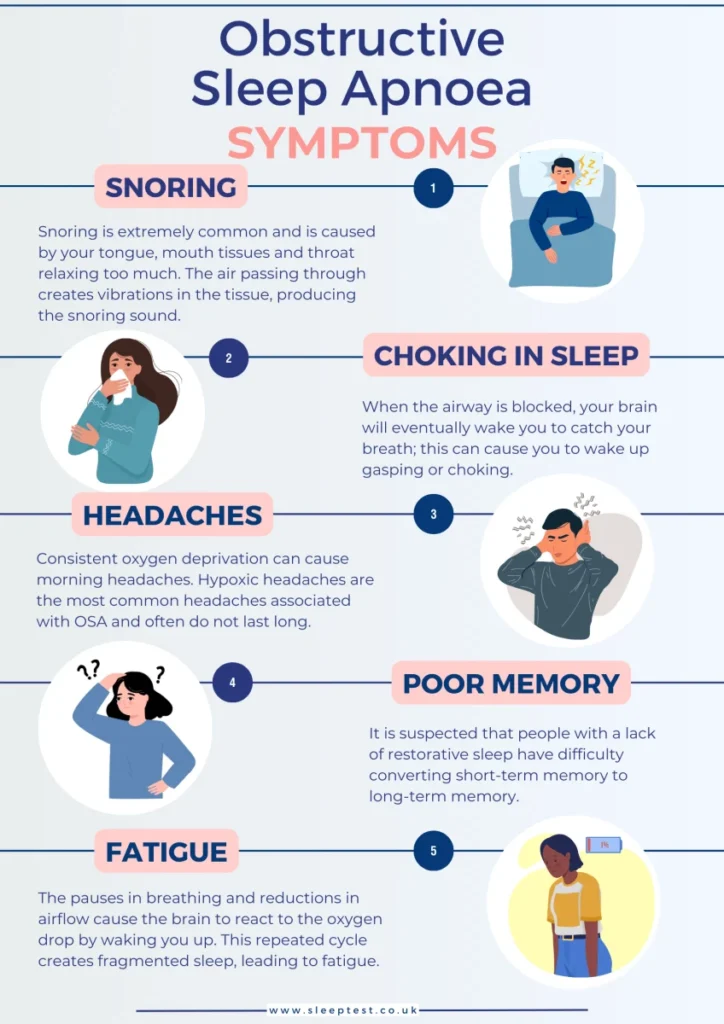
- Then do this first: if you have choking/gasping, witnessed pauses, or severe sleepiness, schedule a clinical evaluation.
- Then use DIY tools carefully: a mouthpiece can reduce snoring for some people, but it is not a substitute for diagnosing sleep apnea.
Decision guide: pick the most practical next step
Use this as a quick map. It’s built to save time and money.
If your main goal is “stop the noise,” then test one change at a time
- Start with side-sleep support for 7 nights.
- If snoring drops, keep it. Don’t add more gadgets yet.
- If snoring stays loud, move to a mouthpiece trial.
This avoids the common trap: buying three devices, changing five habits, and never knowing what helped.
If your main goal is “feel rested,” then focus on sleep quality basics (not just time in bed)
People talk a lot about “sleep extension,” but more time in bed can backfire for some. A cleaner routine often beats sleeping in.
- Keep a consistent wake time most days.
- Cut late-night alcohol and heavy meals when possible.
- Reduce doom-scrolling. Bright screens can push bedtime later.
Travel fatigue makes this harder. After a trip, prioritize the schedule reset before you judge whether a device “works.”
If you share a bed, then treat this like a relationship problem with a health solution
Snoring jokes are everywhere because the situation is relatable. Still, the fix is usually practical, not dramatic.
- Agree on a two-week experiment window.
- Track outcomes with a simple note: volume, wake-ups, morning energy.
- Keep expectations fair: the goal is improvement, not perfection overnight.
What an anti-snoring mouthpiece is (and what it isn’t)
An anti-snoring mouthpiece is designed to support airflow during sleep. Many styles work by positioning the lower jaw forward or stabilizing the mouth so tissues don’t collapse as easily.
It isn’t a universal cure. If snoring is driven by illness, heavy congestion, or untreated sleep apnea, you may need a different plan.
Comfort and fit: how to avoid the most common “I quit” reasons
Most people stop because of comfort issues, not because the concept is wrong. Keep your approach simple.
- If you feel soreness: ease into it. Consistency matters more than forcing it all night on day one.
- If it falls out: check sizing and whether mouth-opening is the real issue.
- If you feel jaw pain: pause and consider professional advice, especially with TMJ history.
FAQ
Do anti-snoring mouthpieces work for everyone?
No. They often help when jaw position and mouth-breathing play a role, and they help less when nasal blockage dominates.
What’s the difference between a mouthpiece and a CPAP?
A mouthpiece is a consumer-friendly device aimed at reducing snoring by improving airflow mechanics. CPAP is a prescribed therapy commonly used for sleep apnea.
How long does it take to notice a change?
Many people notice a difference within a few nights. Comfort and routine usually improve over one to two weeks.
Can I use an anti-snoring mouthpiece if I have jaw pain?
Use caution. Devices that change jaw position can aggravate TMJ issues. If you have ongoing pain, get guidance before continuing.
When should I talk to a clinician?
Get evaluated if you have gasping/choking, breathing pauses, severe daytime sleepiness, or other signs that point toward sleep apnea.
Is sleeping in a good fix for feeling tired?
Sometimes it helps short-term, but it can also disrupt your rhythm. A stable wake time and better sleep habits often improve sleep quality more.
CTA: pick a low-waste next step
If you want a budget-friendly trial that targets mouth-breathing and jaw stability, consider the anti snoring mouthpiece. Pair it with one habit change (like side sleeping) so you can tell what’s working.
How do anti-snoring mouthpieces work?
Medical disclaimer: This article is for general education and does not provide medical advice, diagnosis, or treatment. If you suspect sleep apnea or have significant symptoms (gasping, pauses in breathing, severe sleepiness), talk with a qualified clinician.