
- Snoring is getting “gadget-ified”, but basics still matter more than most people want to admit.
- Sleep debt shows up as burnout, short temper, and foggy mornings—even when you “got 8 hours.”
- Breathing talk is trending, yet the biggest wins usually come from simple, repeatable habits.
- Anti-snoring mouthpieces can help when the jaw and tongue collapse backward during sleep.
- If you’re still sleepy despite “doing everything right,” it’s time to look deeper than snoring alone.
What people are talking about lately (and why it matters)
Sleep is having a moment. You see it in wearable scores, smart alarms, travel “recovery” routines, and the endless debate about the best pillow. Even relationship humor is trending again: one person wants silence, the other swears they “barely snore.”
At the same time, workplace burnout keeps pushing people to treat sleep like a productivity hack. That mindset can help you start. It can also backfire when you chase perfect numbers instead of better nights.
The current vibe: breathe better, snooze smarter, stop the 3 a.m. wake-up
Recent health coverage has leaned into breathing techniques, practical sleep hygiene, and troubleshooting those middle-of-the-night wake-ups. That’s useful. It also misses a common reality: snoring can quietly wreck sleep quality for both partners, even when you don’t fully wake up.
If you’re curious about why some people still feel tired even after addressing sleep apnea, this search-style explainer is a helpful starting point: The 4 breathing secrets that will transform your health today with James Nestor.
What matters medically (without the fluff)
Snoring is vibration. Air is moving through a partially narrowed airway, and soft tissues rattle. That narrowing can come from nose congestion, relaxed throat muscles, alcohol, sleep position, or jaw/tongue position.
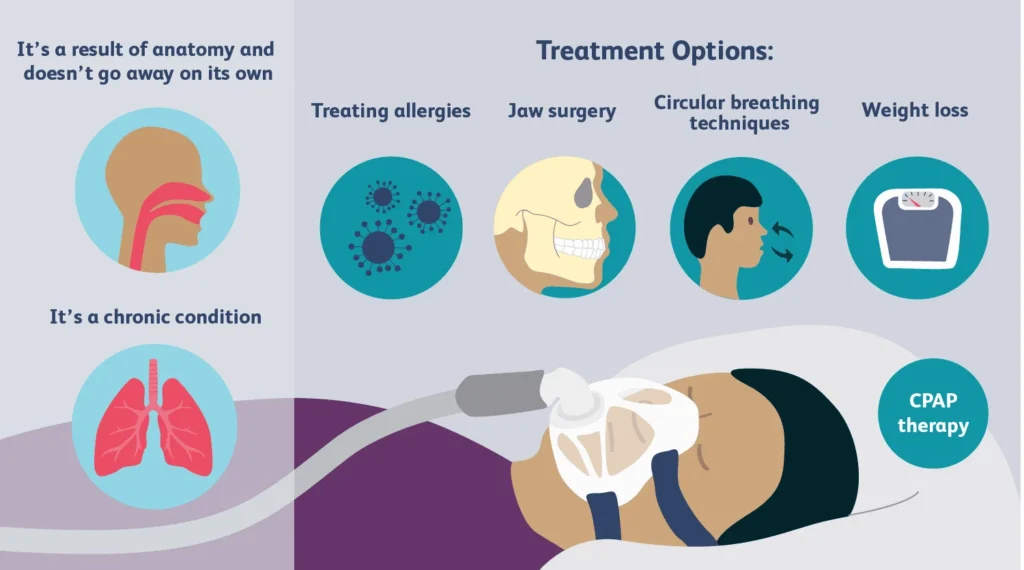
Sometimes, snoring is just snoring. Other times, it’s part of obstructive sleep apnea (OSA), where breathing repeatedly drops or pauses during sleep. You can’t confirm OSA from a blog post, but you can watch for patterns.
Why sleep quality can be “bad” even when sleep time looks fine
You can log enough hours and still wake up depleted. Micro-arousals (tiny sleep disruptions), mouth breathing, reflux, overheating, and inconsistent schedules can all fragment sleep.
Travel fatigue makes this worse. New beds, late meals, alcohol at events, and dry hotel air can turn mild snoring into an all-night soundtrack.
Where an anti snoring mouthpiece fits
An anti snoring mouthpiece is usually designed to keep the lower jaw slightly forward during sleep. That forward position can help keep the airway more open for some people. Think of it as giving your tongue and soft tissues less room to slide backward.
It’s not a cure-all. If your main issue is nasal blockage, you may need to address that too. If you have suspected sleep apnea, you should get evaluated.
How to try this at home (a simple, realistic plan)
Skip the “change everything Monday” approach. Run a two-week experiment. Keep it boring and consistent so you can tell what actually helps.
Step 1: Pick one snoring lever to test
Choose one primary lever for the first week:
- Position: side sleeping, or a setup that discourages back sleeping.
- Routine: consistent sleep/wake time, even on weekends.
- Airway support: a mouthpiece approach if jaw/tongue position seems likely.
- Environment: cooler room, darker room, less late-night screen time.
Step 2: Track outcomes like a grown-up (not like a biohacker)
Use quick signals that reflect real life:
- Did your partner nudge you?
- Did you wake up with dry mouth?
- How many times did you wake up?
- How alert did you feel mid-morning?
If you want a gadget, fine. Just don’t let the score override how you feel and function.
Step 3: If you choose a mouthpiece, prioritize comfort and consistency
Many people quit because it feels bulky or they over-tighten expectations. Comfort matters because the best option is the one you’ll actually use nightly.
If you want a product to evaluate, here’s a relevant option to compare against your needs: anti snoring mouthpiece.
Step 4: Stack small wins (week two)
Once you’ve tested one lever, add one more. Common pairings include side sleeping plus a mouthpiece, or a mouthpiece plus a stricter wind-down routine.
Avoid late alcohol during the test window if you can. It’s a frequent snoring amplifier, and it muddies your results.
When to stop experimenting and get help
Snoring plus daytime drowsiness is not something to brush off. Neither is snoring that comes with choking, gasping, or witnessed pauses in breathing.
- Get evaluated if you have loud nightly snoring, morning headaches, or significant daytime sleepiness.
- Move faster if you have high blood pressure, heart disease risk, or you feel drowsy while driving.
- Talk to a clinician if you’re already treated for sleep apnea but still feel wiped out.
FAQ
Do anti-snoring mouthpieces work for everyone?
No. They’re often most helpful when snoring is related to jaw and tongue position. Nasal obstruction and untreated sleep apnea can change the equation.
How fast should an anti snoring mouthpiece work?
Some people notice improvement quickly, but comfort and consistency take time. Give it 1–2 weeks before you judge it.
Is snoring always a sign of sleep apnea?
No. Still, loud frequent snoring plus gasping, pauses, or major daytime sleepiness should prompt a conversation with a clinician.
Can a mouthpiece replace CPAP?
Sometimes, depending on the person. If you have diagnosed sleep apnea, don’t switch without medical guidance.
What if I keep waking up around 3 a.m.?
Common triggers include stress, temperature, alcohol, reflux, and inconsistent timing. If it’s frequent and you also snore, consider evaluation.
Next step: get a clear answer fast
If snoring is messing with your sleep quality (or your relationship), don’t overcomplicate it. Pick one change, track it, and commit for two weeks.
How do anti-snoring mouthpieces work?
Medical disclaimer: This article is for general education only and isn’t medical advice. Snoring can be a sign of a sleep-related breathing disorder. If you have severe symptoms, daytime sleepiness, or witnessed breathing pauses, talk with a qualified clinician for evaluation and personalized guidance.