
- Snoring “hacks” are trending, but not all are safe—especially anything that restricts breathing.
- Sleep gadgets can help you notice patterns, yet they don’t replace medical screening for sleep apnea.
- An anti snoring mouthpiece can be a practical tool when snoring is driven by jaw and airway positioning.
- Comfort and technique matter: fit, gradual ramp-up, sleeping position, and daily cleaning.
- If snoring comes with choking, pauses, or heavy daytime fatigue, it’s time to get checked.
What people are talking about right now (and why)
Sleep has become a full-on “gear category.” There are rings, apps, smart alarms, and travel pillows that promise a better night. Add workplace burnout and constant travel fatigue, and it makes sense that people want fast fixes.
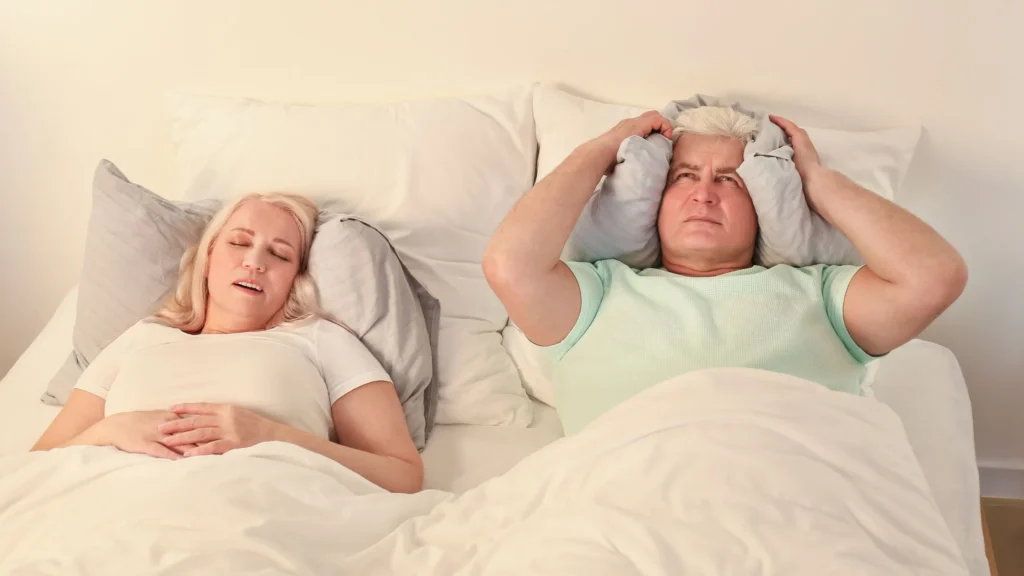
That’s also why extreme trends pop up. One example making the rounds is taping your mouth shut at night. It sounds simple, but many doctors warn against it, especially if you have nasal congestion or unrecognized sleep-disordered breathing.
If you want the headlines version: choose tools that support airflow, not ones that gamble with it. For a quick overview of the concern, see this related coverage on Why Doctors Say You Shouldn’t Tape Your Mouth Shut at Night.
The medically important part (plain language)
Snoring is airflow + vibration
Snoring usually happens when air has to squeeze through a partially narrowed upper airway. Soft tissues vibrate. That vibration becomes the sound that ruins everyone’s mood by breakfast.
Alcohol, allergies, nasal stuffiness, sleeping on your back, and weight changes can all increase the odds. So can jaw position. If your lower jaw drops back during sleep, your airway can narrow more easily.
Snoring vs. sleep apnea: know the line
Snoring can be “just snoring,” but it can also show up with obstructive sleep apnea. Sleep apnea involves repeated breathing disruptions during sleep. It can affect energy, mood, and long-term health.
You don’t need to self-diagnose. You do need to notice red flags: loud snoring most nights, gasping/choking, witnessed pauses in breathing, morning headaches, or strong daytime sleepiness.
Where dental-style therapies fit
Dental approaches for sleep-related breathing issues are getting more attention because they’re non-surgical and practical for many people. A common option is a mandibular advancement-style mouthpiece, which gently positions the lower jaw forward to help keep the airway more open.
That’s the basic idea behind many anti-snoring mouthpieces. They’re not a cure-all, but they can be a solid first step for the right snorer.
How to try at home (tools + technique that actually matter)
1) Start with the simplest “airflow wins” checklist
Before you buy anything, run a quick reset for 3–7 nights. Keep it boring and consistent.
- Side-sleep when you can. A body pillow can reduce back-sleeping.
- Limit alcohol close to bedtime. It can relax airway tissues.
- Address nasal blockage: shower steam, allergy plan, or gentle saline rinses if appropriate for you.
- Set a wind-down routine. Burnout brains don’t downshift instantly.
2) Choose an anti-snoring mouthpiece with comfort in mind
If your snoring seems position-related (worse on your back, better on your side) or you wake with a dry mouth, a mouthpiece may be worth trying. Look for designs that aim for stability and a comfortable feel.
If you want a combined option, consider an anti snoring mouthpiece. Some people like the extra support because it can reduce jaw drop and mouth opening that worsens snoring.
3) Use ICI basics: Insert, Comfort, Improve
- Insert: Follow the product’s fitting steps exactly. Don’t “force” a fit.
- Comfort: Wear it for short periods before sleep for a couple days. Then use it for part of the night. Build up.
- Improve: Track two things only: snoring reports (partner/app) and how you feel in the morning. Adjust gradually if the design allows it.
4) Positioning tips that reduce drama
Small changes can make a mouthpiece feel better and work better. Try these:
- Sleep on your side with your neck neutral (not cranked forward).
- If you travel, pack a small case and a backup cleaning method. Hotel fatigue makes people skip basics.
- If you clench or grind, pay attention to morning jaw tightness and headaches.
5) Cleanup: the unsexy step that matters
Rinse after use and clean daily per instructions. Let it fully dry. A funky mouthpiece is a fast way to quit, even if it helped your snoring.
When to stop experimenting and get help
Home trials are fine for simple snoring. Don’t “push through” these issues:
- Choking/gasping, witnessed breathing pauses, or severe daytime sleepiness
- High blood pressure concerns, heart issues, or significant morning headaches
- Jaw pain, tooth pain, or bite changes that persist
- Snoring that suddenly worsens without a clear reason
A clinician can screen for sleep apnea and other causes. A dentist trained in sleep-related oral appliances can also help with fit and comfort if you’re using a dental-style device.
FAQ
Is an anti-snoring mouthpiece the same as a sports mouthguard?
No. Sports guards protect teeth from impact. Anti-snoring mouthpieces aim to improve airflow by changing jaw or tongue positioning.
Can I use a mouthpiece if I have nasal congestion?
It depends. If congestion makes nose-breathing difficult, focus on clearing nasal airflow first and talk with a clinician if symptoms persist.
What’s the easiest way to tell if it’s helping?
Use a simple sleep note for a week: partner feedback (or a snore app), morning energy, and any jaw discomfort. Keep everything else steady.
Next step: get a simple plan you’ll actually use
Snoring solutions don’t need to be extreme. Choose a tool that supports breathing, prioritize comfort, and track results like an adult—without turning bedtime into a science fair.
How do anti-snoring mouthpieces work?
Medical disclaimer: This article is for general education and is not medical advice. It does not diagnose, treat, or replace care from a qualified clinician. If you suspect sleep apnea or have severe symptoms, seek professional evaluation.