
Before you try another sleep gadget, run this quick checklist:
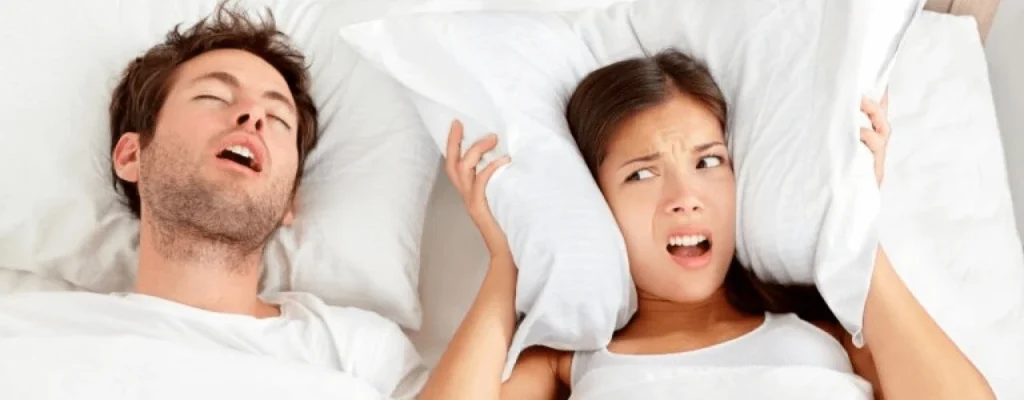
- Is your snoring new or getting louder? Track it for a week.
- Are you waking up tired? Morning headaches and dry mouth count.
- Is travel, stress, or burnout in the mix? Your sleep schedule may be the trigger.
- Is your partner complaining (or joking) more than usual? Relationship humor is a clue, not a cure.
- Have you tried basic fixes? Side sleeping, nasal support, and bedtime timing.
If you’re nodding along, you’re not alone. Snoring has become part of the bigger “sleep optimization” conversation—right alongside wearables, sunrise lamps, white-noise machines, and every new “fall asleep faster” product roundup.
What people are talking about right now (and why it matters)
Sleep is having a moment. People swap tips about smart rings, cooling pillows, and app-based sleep scores. At the same time, workplace burnout and constant travel have made “good sleep” feel like a luxury item.
That’s why anti-snore devices keep popping up in mainstream lists and reviews. They’re simple, physical tools. No charging. No subscription. And for some households, less snoring means less resentment at 2 a.m.
One important trend in recent health coverage is the reminder that breathing issues during sleep can show up in different ways. For a general overview, see Yes, You May Have Sleep Apnea Even If You Don’t Snore.
The part that matters medically: snoring vs. sleep quality
Snoring is vibration from partially blocked airflow. It often gets worse with nasal congestion, alcohol, back sleeping, and weight changes. It can also be tied to jaw position and tongue placement.
Sleep quality is the bigger goal. Even “just snoring” can fragment sleep for you or your partner. That can snowball into irritability, low focus, and that wired-but-tired feeling that shows up at work.
Also, not everyone who has a sleep-breathing disorder snores loudly. If your main issue is daytime sleepiness, witnessed breathing pauses, or waking up gasping, don’t rely on snoring volume as your only signal.
How an anti snoring mouthpiece fits into a simple at-home plan
An anti snoring mouthpiece is usually designed to improve airflow by changing the position of the lower jaw or supporting the tongue. That can reduce the vibration that creates snoring for some people.
Step 1: Do a “cause check” before you buy
Snoring has patterns. Your goal is to spot yours.
- Only when you’re on your back: positional snoring is common.
- Only during allergy season or colds: nasal blockage may be driving it.
- After late meals or alcohol: throat muscles relax more at night.
- Most nights, regardless: a mouthpiece may be worth a trial.
Step 2: Try the low-effort basics for 7 nights
Do this even if you plan to use a device. It makes your results easier to interpret.
- Side-sleep support (pillow or positional aid)
- Consistent bedtime and wake time (yes, even after travel)
- Address nasal stuffiness (saline rinse or humidifier can help comfort)
- Limit alcohol close to bedtime
Step 3: If you choose a mouthpiece, prioritize fit and comfort
Comfort decides compliance. If it hurts, you won’t wear it. If you don’t wear it, it can’t help.
Look for clear sizing guidance and an approach that supports gradual adjustment. If you want to compare styles, start here: anti snoring mouthpiece.
Step 4: Measure results like a grown-up (not like a gadget ad)
Skip perfection. Track a few simple markers for two weeks:
- Partner report: fewer wake-ups or less “room-shaking” noise
- Your mornings: less dry mouth, fewer headaches, easier wake-up
- Your days: improved alertness, fewer afternoon crashes
If your wearable sleep score improves, great. If it doesn’t, but you feel better and your partner sleeps, that still counts.
When to seek help instead of DIY-ing it
Home tools are for low-risk experimenting. Some situations deserve a professional evaluation.
- Breathing pauses, choking, or gasping at night
- Significant daytime sleepiness (dozing off easily, drowsy driving risk)
- High blood pressure or new cardiovascular concerns (talk with your clinician)
- Jaw pain, tooth discomfort, or bite changes after using an oral device
- Snoring in kids (needs clinician guidance)
A dentist trained in sleep-related oral appliances or a sleep clinician can help match the solution to the cause. That saves time and frustration.
FAQ: quick answers people want before bed
Can a mouthpiece improve sleep quality if I’m not a loud snorer?
Sometimes. If your sleep is disrupted by subtle airflow restriction, you might notice better rest. Still, ongoing fatigue should be evaluated.
What if my snoring only happens when I travel?
Travel fatigue, dry hotel air, alcohol, and back sleeping can combine fast. Start with hydration, nasal comfort, and positional support. Then consider a device trial if it keeps happening.
Do anti-snore devices replace a sleep study?
No. If symptoms suggest sleep apnea or another sleep disorder, a sleep study (home or lab) may be appropriate. Devices can help some snoring, but they don’t diagnose anything.
Next step: learn the mechanism before you buy
If you’re trying to protect your sleep (and your relationship), keep it simple: pick one change, test it, and track it.
How do anti-snoring mouthpieces work?
Medical disclaimer: This article is for general education only and isn’t medical advice. It does not diagnose, treat, or replace care from a licensed clinician. If you suspect sleep apnea, have breathing pauses, severe daytime sleepiness, or jaw/tooth pain from an oral device, seek professional evaluation.