
Is your snoring turning bedtime into a negotiation?
Are sleep gadgets and “quick fixes” starting to feel like a full-time hobby?
And are you waking up tired even after a full night in bed?
You’re not alone. Sleep has become a cultural obsession: wearables, smart alarms, mouth tape debates, and travel recovery routines. Add workplace burnout and relationship humor (“I love you, but not your snoring”), and it’s easy to see why people are searching for a practical answer like an anti snoring mouthpiece.
What people are talking about lately (and why it matters)
Snoring isn’t just a punchline anymore. Recent sleep coverage keeps circling the same themes: the health risks tied to breathing problems at night, the frustration of waking up at odd hours, and the scramble to adjust when schedules shift (hello, daylight savings).
At the same time, anti-snore devices are getting more mainstream. You’ll see lists that compare options like mouthpieces, nasal aids, and positional tools. The common takeaway is simple: different snoring patterns need different solutions, and “one gadget to rule them all” rarely exists.
If you want a deeper read on the bigger health conversation, see this resource on Can You Die From Obstructive Sleep Apnea?.
The medical “why”: snoring, sleep quality, and the red flags
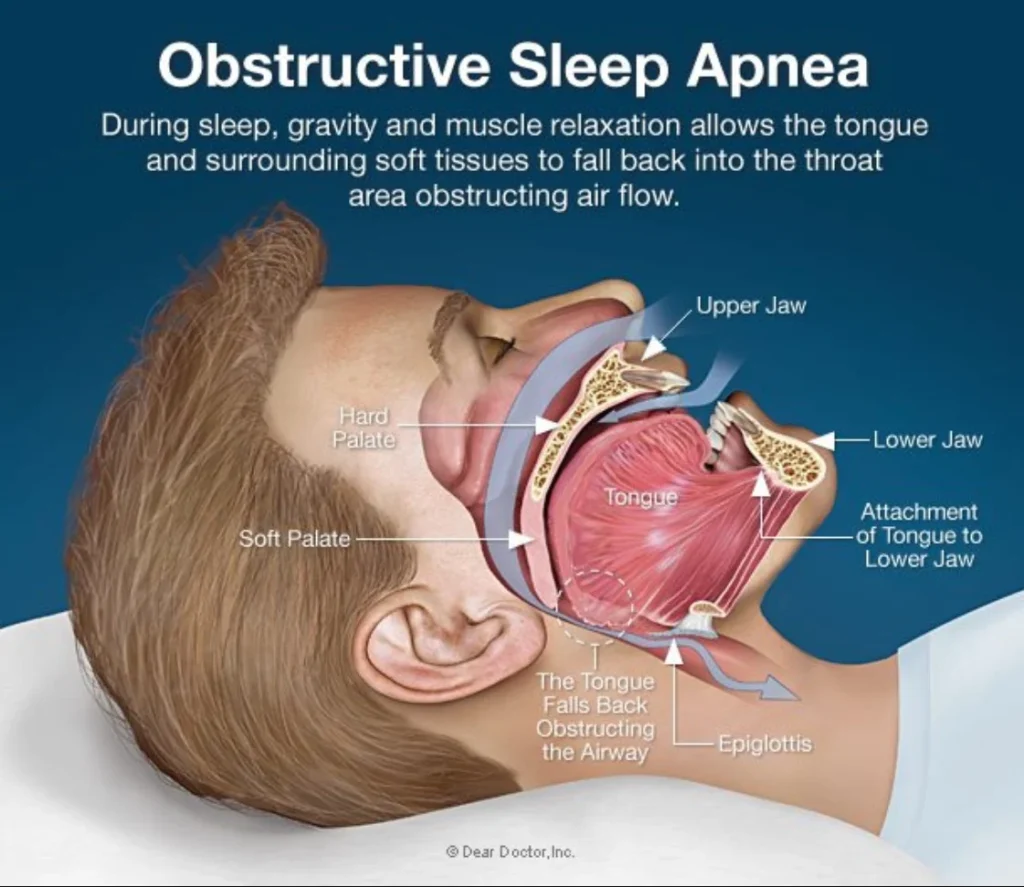
Snoring usually happens when airflow is partly blocked and soft tissues vibrate. That can be influenced by sleep position, alcohol close to bedtime, nasal congestion, jaw shape, or weight changes. It can also be connected to obstructive sleep apnea (OSA), where breathing repeatedly narrows or stops during sleep.
Here’s the practical part: even when snoring isn’t OSA, it can still wreck sleep quality. Fragmented sleep can show up as irritability, low focus, headaches, or that “I slept, but I’m not restored” feeling.
Signs you shouldn’t ignore
- Pauses in breathing witnessed by a partner
- Gasping or choking sounds during sleep
- Strong daytime sleepiness or dozing off easily
- Morning headaches, dry mouth, or sore throat
- High blood pressure or heart risk factors (talk with your clinician)
If those sound familiar, the goal isn’t to “hack” your way around it. It’s to get assessed.
How to try at home (without turning bedtime into a lab)
If your snoring seems situational, start with a short, calm experiment. Keep it simple for one week so you can actually tell what helped.
Step 1: Pick one sleep-quality lever
Choose one change that’s realistic on a work night:
- Side-sleeping support (pillow or positional aid)
- Earlier cutoff for alcohol
- Addressing nasal stuffiness (saline rinse or humidity)
- A consistent wind-down to reduce “wired at bedtime” stress
Step 2: Consider where an anti snoring mouthpiece fits
An anti-snoring mouthpiece often aims to keep the lower jaw slightly forward during sleep. That can help keep the airway more open for some people. It’s not a vibe-based wellness trend. It’s a mechanical approach, which is why it shows up so often in roundups of anti-snore devices.
If you’re comparing products, start here: anti snoring mouthpiece.
Step 3: Reduce relationship friction with one conversation
Snoring can feel personal, even when it isn’t. Try a script that lowers the temperature: “I want us both to sleep better. Can we test one change this week and check in?”
That keeps it from becoming a nightly blame loop. It also makes it easier to track what’s working.
When to seek help (and what to ask for)
Get medical guidance if snoring is loud and frequent, if you suspect sleep apnea, or if your sleep quality is collapsing despite good habits. Also talk to a dentist or clinician before using a mouthpiece if you have jaw pain, TMJ issues, loose teeth, significant dental work, or gum problems.
Helpful questions for a visit
- “Do my symptoms suggest sleep apnea, and should I do a sleep study?”
- “Would a mandibular advancement device be appropriate for me?”
- “Are there safer options given my dental and jaw history?”
FAQ
Do anti-snoring mouthpieces work for everyone?
No. They tend to help people whose snoring is related to jaw position and airway narrowing, but results vary by anatomy and cause.
Is loud snoring always sleep apnea?
Not always, but it can be a sign. If you also have choking/gasping, witnessed breathing pauses, or heavy daytime sleepiness, get evaluated.
Can I use mouth tape and a mouthpiece together?
Some people try it, but it’s not automatically safer or better. If you have nasal blockage or possible sleep apnea, ask a clinician before combining approaches.
How long does it take to get used to a mouthpiece?
Many people adapt over several nights to a couple of weeks. Mild soreness or extra saliva can happen early on.
What’s the difference between a boil-and-bite and a custom mouthpiece?
Boil-and-bite models are molded at home and cost less. Custom options are fitted to your bite and may feel more precise, but they cost more.
CTA: make the next step easy
If snoring is straining your sleep (and your relationship), don’t overcomplicate it. Start with one change, track the result, and consider a mouthpiece if jaw position seems like part of the problem.
How do anti-snoring mouthpieces work?
Medical disclaimer: This article is for general education only and isn’t medical advice. Snoring can be a sign of obstructive sleep apnea or other conditions. If you have breathing pauses, choking/gasping, chest pain, severe daytime sleepiness, or concerns about your health, seek evaluation from a qualified clinician.