
At 2:13 a.m., the hotel hallway was quiet. Inside one room, two people weren’t. One was snoring like a leaf blower. The other was doom-scrolling “sleep gadgets” and sending a single text: “We need a plan.”
If that sounds familiar, you’re not alone. Right now, sleep is having a cultural moment. People are talking about science-backed sleep habits, travel fatigue, wearable scores, and the relationship comedy that happens when someone’s snoring steals the whole night.
What people are buzzing about right now
Sleep advice is trending again, but the vibe has changed. Less “miracle hack,” more “boring basics that work.” That includes consistent sleep windows, morning light, and cutting late-night scrolling.
At the same time, anti-snoring devices are getting fresh attention. You’ll see more reviews, more comparisons, and even new clinical research testing innovative options. The headline takeaway: snoring isn’t just a punchline. It’s a sleep quality problem people want to solve.
And the context matters. Work-from-anywhere schedules blur boundaries. Burnout makes sleep feel fragile. Add red-eye flights and time zones, and snoring can get louder fast.
What matters medically (without the fluff)
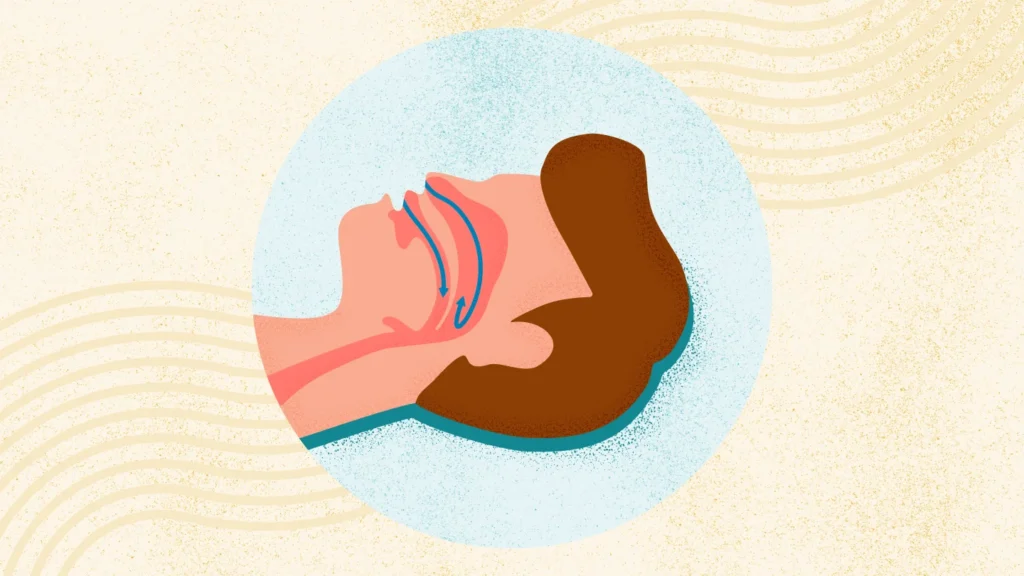
Snoring happens when airflow gets turbulent and tissues vibrate. It often ramps up when the jaw drops back, the tongue relaxes, or you sleep on your back.
Sometimes it’s “just snoring.” Sometimes it’s a signal that your airway is narrowing more than it should. If you’re wondering why clinicians take it seriously, read this high-level explainer on These Are the Sleep Tips Experts (And Science!) Actually Back.
The practical point: better sleep isn’t only about feeling rested. It can affect mood, blood pressure, focus, and how well you handle stress the next day.
Medical disclaimer: This article is for general education, not medical advice. It doesn’t diagnose or treat any condition. If you suspect sleep apnea or have concerning symptoms, talk with a qualified clinician.
How to try at home: a tight, realistic checklist
Think of this as two tracks: reduce triggers, then use the right tool.
Track 1: quick sleep-quality fixes that support quieter breathing
- Side-sleep setup: Use a pillow strategy that keeps you off your back. Even small changes can reduce positional snoring.
- Nasal breathing support: If you’re congested, address dryness and irritants. A clearer nose can reduce mouth-breathing at night.
- Alcohol timing: If you drink, keep it earlier. Late alcohol can relax airway muscles and worsen snoring.
- Bedroom “shutdown”: Dim lights, cool room, and a consistent wind-down. This helps sleep depth, which affects how often you wake up and notice snoring.
Track 2: where an anti snoring mouthpiece fits
An anti snoring mouthpiece is usually designed to improve airflow by changing jaw or tongue position during sleep. The goal is simple: reduce collapse and vibration so breathing stays steadier.
People often look at mouthpieces when:
- Snoring is louder on back-sleeping nights.
- A partner reports “chainsaw” sound but you don’t feel fully rested.
- You want a non-surgical, travel-friendly option.
Technique basics: fit, comfort, positioning, and cleanup
- Fit: A mouthpiece should feel secure, not painful. If you clamp down to keep it in, something is off.
- Comfort ramp: Wear it briefly before sleep for a few nights. This reduces the “foreign object” effect.
- Jaw position: More forward isn’t always better. Aim for the minimum change that reduces snoring.
- Morning reset: If your bite feels odd when you wake, give your jaw time to settle before chewing.
- Cleanup: Rinse, gently brush, air-dry. Consistency matters more than fancy cleaners.
If you’re comparing options, a combined approach can be appealing for people who mouth-breathe or drop their jaw at night. Here’s a relevant product category to explore: anti snoring mouthpiece.
When to stop DIY and get checked
Snoring deserves a medical conversation when it comes with red flags. Don’t white-knuckle it through months of broken sleep.
- Breathing pauses, choking, or gasping reported by a partner
- Strong daytime sleepiness, morning headaches, or concentration problems
- High blood pressure or heart-related concerns
- Snoring that suddenly worsens without an obvious reason
- Jaw pain, tooth pain, or bite changes with a mouthpiece
A clinician can help rule out obstructive sleep apnea and discuss options that match your anatomy and health history.
FAQ: fast answers before you buy anything
Do anti-snoring mouthpieces work for everyone?
No. They can be a strong fit for position-related snoring, but they aren’t universal solutions.
What’s the difference between a mouthguard and a MAD?
A MAD aims to change jaw position to support airflow. A basic tooth guard mainly protects teeth.
How long does it take to adjust?
Often days to a few weeks. Start slow and prioritize comfort.
Could my snoring be sleep apnea?
Possibly. If there are pauses in breathing or major daytime symptoms, get evaluated.
Is jaw soreness normal?
Mild soreness can happen early. Persistent pain or bite changes are not “push through it” issues.
What’s the simplest cleaning routine?
Rinse, brush gently, and air-dry daily. Follow the product’s care instructions.
CTA: make the next step easy
Snoring fixes work best when you treat them like a system: sleep basics + positioning + a tool that fits your anatomy.