
On a red-eye flight, someone in 14B starts snoring before the seatbelt sign turns off. A few rows back, a partner sends the classic “are you hearing this?” look across the aisle. By the time the plane lands, half the cabin feels hungover from bad sleep, and the snorer feels weirdly exhausted too.
That’s why snoring is suddenly everywhere again—alongside sleep trackers, “recovery” scores, and the constant background hum of workplace burnout. People want better sleep quality, and they want it fast. Here’s the direct decision guide for choosing an anti snoring mouthpiece and knowing when snoring is more than a nuisance.
Start here: what snoring usually means
Snoring is airflow meeting resistance. Soft tissues in the upper airway vibrate, and the sound is the result. The trigger can be nasal congestion, mouth breathing, jaw position, sleep posture, alcohol, or simple anatomy.
Some recent sleep chatter has focused on the nose—how nasal breathing and airflow can affect sleep and even next-day performance. If you want a quick overview of that angle, see this related coverage: Could Your Nose Be Key to Better Performance?.
The no-fluff decision tree (If…then…)
Use these branches to document what you tried and why. That’s not just helpful for you; it also reduces risk if you later need dental or medical advice.
If your snoring is mostly positional… then start with the simplest change
If you snore mainly on your back, then try side-sleep strategies first. Many people also pair positional changes with a mouthpiece for better consistency.
- Track: back vs side nights, alcohol intake, late meals.
- Goal: fewer “loud snore” nights and fewer awakenings.
If your nose feels blocked at night… then treat “airflow” as part of the plan
If you wake up dry-mouthed, breathe through your mouth, or feel congested, then don’t ignore the nasal side of the equation. Some headlines have pointed to nasal saline as a low-risk way that may help certain breathing issues in kids, which fits the broader idea: airway comfort matters. For adults, keep it general—clearer nasal breathing can make any snoring strategy easier to tolerate.
- Try: bedroom humidity, allergen reduction, gentle nasal hygiene.
- Avoid: overusing medicated sprays without clinician guidance.
If your partner says the snoring is “chainsaw loud”… then screen for red flags first
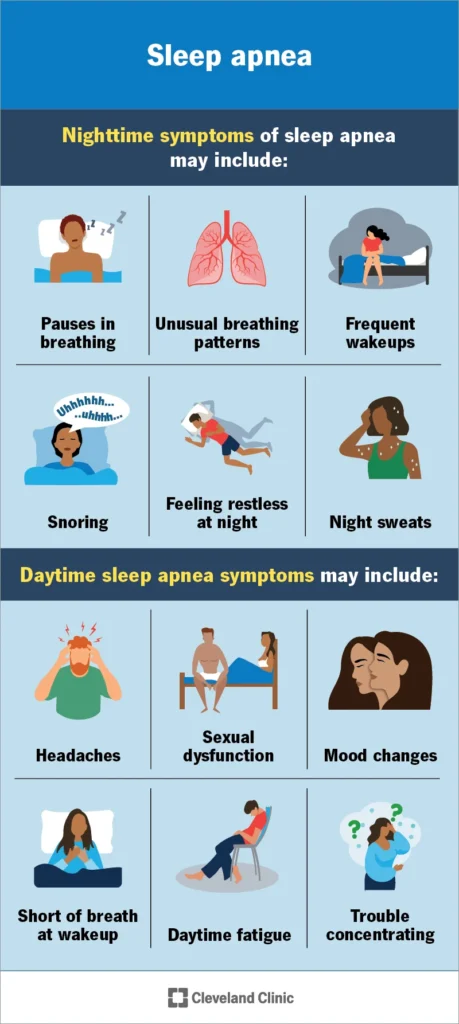
If there are witnessed pauses, gasping, or you’re sleepy despite enough time in bed, then prioritize screening for sleep-disordered breathing. A mouthpiece can still be part of the conversation, but safety comes first.
- Red flags: choking/gasping, morning headaches, high blood pressure, drowsy driving risk.
- Action: talk to a clinician about sleep apnea testing options.
If you want a gadget-style fix without a full clinic pathway… then consider a mouthpiece (with guardrails)
If you’re in the “I just want quieter nights” camp—common with travel fatigue, shared hotel rooms, and relationship humor that’s only funny until 2 a.m.—then an anti-snoring mouthpiece is a practical next step.
Here’s the key: pick a style that matches your likely snoring driver.
- Mandibular advancement (MAD) style: nudges the lower jaw forward to reduce airway collapse in some people.
- Tongue-stabilizing style: helps keep the tongue from falling back.
Want a starting point for shopping? Review anti snoring mouthpiece and compare comfort, adjustability, and materials.
If you have jaw pain, loose teeth, or dental work… then don’t “power through”
If you have TMJ symptoms, ongoing orthodontic work, crowns/bridges you worry about, or gum disease, then be cautious. Mouthpieces can stress the jaw and teeth. Discomfort that lasts is a stop sign, not an obstacle to grit your way past.
- Document: where it hurts (jaw joint vs teeth), when it started, and whether your bite feels different.
- Next step: consider dental input for fit and safety.
How to judge success (sleep quality, not just noise)
Snoring volume is only one metric. Use a simple scorecard for 10–14 nights.
- Partner report: fewer wake-ups, less room-switching.
- Your morning: less dry mouth, fewer headaches, better mood.
- Your day: fewer afternoon crashes and less “burnout fog.”
- Wearables (optional): treat them as trend tools, not a diagnosis.
Safety notes that reduce risk (and regret)
- Clean the device as directed. Replace it when worn or damaged.
- Stop using it if you develop persistent pain, gum bleeding, or bite changes.
- Don’t use a mouthpiece to “ignore” symptoms that suggest sleep apnea.
FAQ: quick answers
What is an anti snoring mouthpiece designed to do?
Most are designed to keep your airway more open during sleep by repositioning the jaw or stabilizing the tongue.
How fast do anti-snoring mouthpieces work?
Some people notice a change the first night, but comfort and fit often take several nights of adjustment.
Are mouthpieces safe to use every night?
Many adults use them nightly, but jaw soreness, tooth discomfort, and bite changes can happen. Stop if pain persists and consider dental guidance.
What if my snoring is worse when my nose is congested?
Nasal blockage can push you toward mouth breathing, which can worsen snoring. Addressing nasal comfort may improve results alongside a mouthpiece.
When is snoring a sign I should get checked for sleep apnea?
If you have loud snoring plus choking/gasping, witnessed pauses, excessive daytime sleepiness, morning headaches, or high blood pressure, ask a clinician about screening.
CTA: make the next step easy
If you’re ready to compare options and choose a direction, start here:
How do anti-snoring mouthpieces work?
Medical disclaimer: This article is for general education and is not medical advice. Snoring can be a symptom of sleep apnea or other conditions. If you have breathing pauses, choking/gasping, significant daytime sleepiness, chest pain, or concerns about dental/TMJ issues, seek evaluation from a qualified clinician or dentist.