
On a random Tuesday, “J” fell asleep on the couch while a travel bag sat half-unpacked by the door. The day had been a blur of meetings, notifications, and one too-late coffee. Ten minutes into sleep, the snoring started. Their partner didn’t even nudge them at first—just sighed, laughed, and texted: “Your new sleep gadget better come with a mute button.”
That mix of relationship humor and real frustration is everywhere right now. People are chasing better sleep with apps, wearables, and trending “breathing fixes.” At the same time, many are asking a simpler question: if snoring is wrecking sleep quality, where does an anti snoring mouthpiece fit into sleep health?
Why does snoring feel louder lately—am I imagining it?
You’re probably not imagining it. Stress, burnout, and irregular schedules can make sleep lighter. Lighter sleep means you notice noise more. Travel fatigue adds another layer, because unfamiliar beds and disrupted routines can amplify snoring and make partners less tolerant of it.
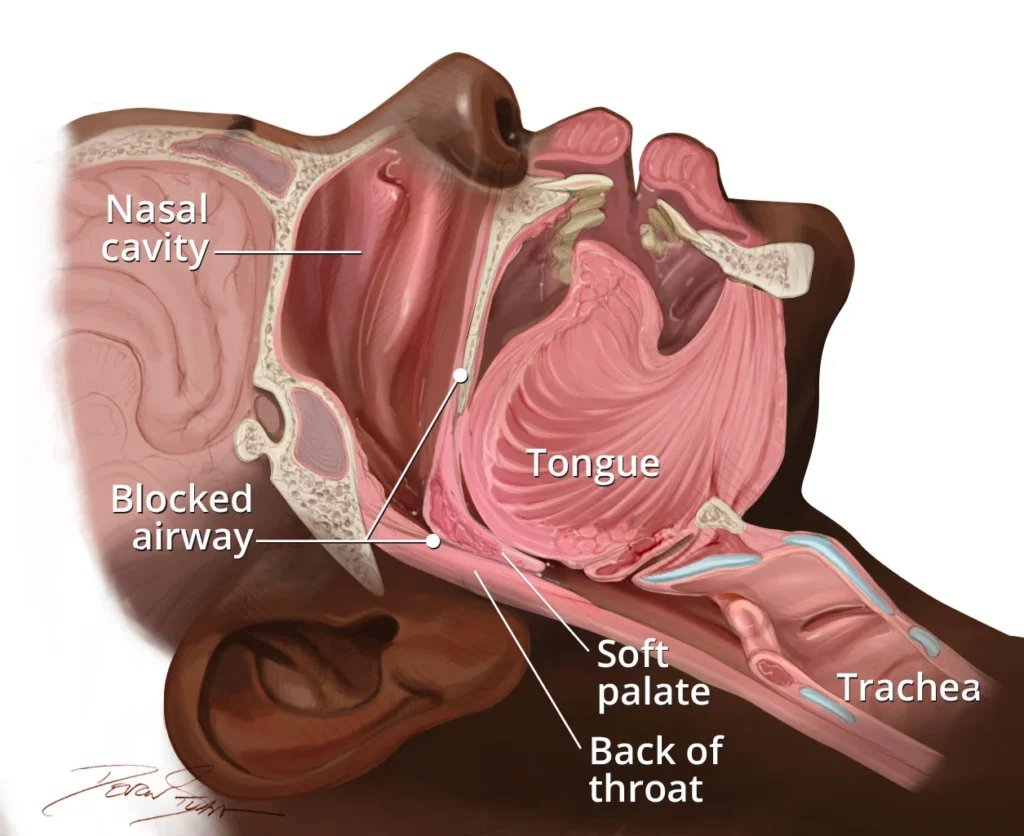
Snoring itself often comes down to airflow. When tissues in the upper airway relax during sleep, they can vibrate as you breathe. Alcohol close to bedtime, nasal congestion, and sleeping on your back can all make that vibration more likely.
Relationship reality check
Snoring doesn’t just impact the snorer. It can create resentment fast, especially when one person is “fine” and the other is running on fumes. A calm conversation in daylight beats a 2 a.m. argument every time.
What “better sleep” tips are people repeating right now?
Recent sleep coverage keeps circling the same foundations: consistent timing, a real wind-down, and fewer late-night inputs. One trend that’s getting a lot of attention is treating sleep like a protected meeting, not an afterthought.
- Stop work earlier than you think. Many people are experimenting with a buffer before bed so the brain isn’t still “on-call.”
- Make the room boring. Dark, cool, and quiet still wins over flashy setups.
- Watch the stimulants. Caffeine and alcohol timing can change how much you snore and how often you wake.
If you want a quick refresher from mainstream coverage, see Expert shares tips on getting better sleep.
Is snoring a breathing problem, a sleep problem, or both?
Often, it’s both. Snoring is about airflow mechanics, but the consequences show up as sleep quality problems. If you or your partner keeps waking up, you can end up with fragmented sleep even if the total hours look “fine.”
Breathing-focused conversations are popular right now for a reason. Small habits—like mouth breathing during sleep—can dry the throat, increase vibration, and make snoring more noticeable. Nasal congestion can push people toward mouth breathing too.
Quick self-checks (not a diagnosis)
- Do you snore more on your back?
- Do you wake with a dry mouth or sore throat?
- Does your partner describe loud, irregular snoring?
If you have choking, gasping, or witnessed pauses in breathing, don’t treat this as a gadget problem. Get medical guidance.
Where does an anti snoring mouthpiece actually help?
An anti-snoring mouthpiece is typically designed to support a more open airway during sleep by changing jaw or tongue position. In plain terms, it aims to reduce the vibration that creates the sound. It’s most discussed for people whose snoring is related to relaxed throat tissues, jaw position, or sleeping posture.
It’s also popular because it’s a low-barrier option. No chargers. No app subscriptions. No “sleep score” to argue with at breakfast.
Who tends to like this approach?
- Couples who want a quieter night without turning bedtime into a tech project.
- Frequent travelers who want something packable.
- People who have tried basic habit changes and still snore.
What to expect (realistic version)
- Comfort matters. Any mouth-worn device can take an adjustment period.
- Fit affects results. A poor fit can reduce effectiveness and increase annoyance.
- It’s not for every cause. If snoring is driven by illness, severe congestion, or a sleep disorder, you may need a different plan.
If you’re comparing options, you may also see combo setups that address both mouth position and mouth opening. Here’s one example to explore: anti snoring mouthpiece.
What else can I do tonight to protect sleep quality (without overhauling my life)?
Keep it simple. Pick two changes you can repeat for a week. Consistency beats intensity.
- Change the angle. Side-sleeping often reduces snoring for many people.
- Set a “screens down” time. A short buffer can help you fall asleep faster.
- Decongest smartly. If you’re stuffed up, address that so you’re not forced into mouth breathing.
- Lower the stakes. If you share a bed, agree on a plan before bedtime. It reduces tension.
How do we talk about snoring without turning it into a fight?
Use “sleep health” language, not blame language. Snoring is a body thing, not a character flaw. Try: “I’m not sleeping well and I miss waking up rested. Can we test a couple options this week?”
Make it a shared experiment. Track what changes (sleep position, late meals, alcohol, devices). Keep the tone curious. That’s how couples stop turning bedtime into a performance review.
FAQs
Is snoring always a health problem?
Not always. Some snoring is positional or congestion-related, but loud, frequent snoring with choking, gasping, or daytime sleepiness should be discussed with a clinician.
Do anti-snoring mouthpieces work right away?
Many people notice changes quickly, but comfort and fit can take a short adjustment period. Results vary based on the cause of snoring.
What’s the difference between a mouthpiece and a chin strap?
A mouthpiece targets jaw/tongue position to keep the airway more open. A chin strap mainly supports keeping the mouth closed for people who mouth-breathe at night.
Can sleep gadgets replace better sleep habits?
Usually not. Gadgets can support sleep, but schedule, light exposure, caffeine timing, and wind-down routines often make the biggest difference.
When should I skip DIY fixes and get checked?
If you have pauses in breathing, wake up choking, have high blood pressure, severe daytime sleepiness, or snoring that’s worsening, talk with a healthcare professional.
Next step: get a clear answer fast
If snoring is hurting your sleep quality (and your relationship patience), focus on one practical tool and a couple habit tweaks. A mouthpiece is often the simplest place to start.
How do anti-snoring mouthpieces work?
Medical disclaimer: This article is for general education and does not provide medical advice. Snoring can sometimes be a sign of a sleep-related breathing disorder. If you have choking/gasping, witnessed breathing pauses, chest pain, severe daytime sleepiness, or other concerning symptoms, seek evaluation from a qualified healthcare professional.