
At 2:13 a.m., someone on a work trip wakes up to a text from the next hotel room: “All good over there? Sounds like a lawn mower.” They laugh, then panic-scroll sleep gadgets on their phone. Nasal strips, mouth taping, smart rings, white-noise apps—every trend promises a quick fix.
Here’s the grounded take: snoring is common, sleep quality is fragile, and the best “tool” is the one you can use consistently. An anti snoring mouthpiece often lands in that sweet spot because it targets mechanics, not vibes.
The quick overview: what’s happening when you snore
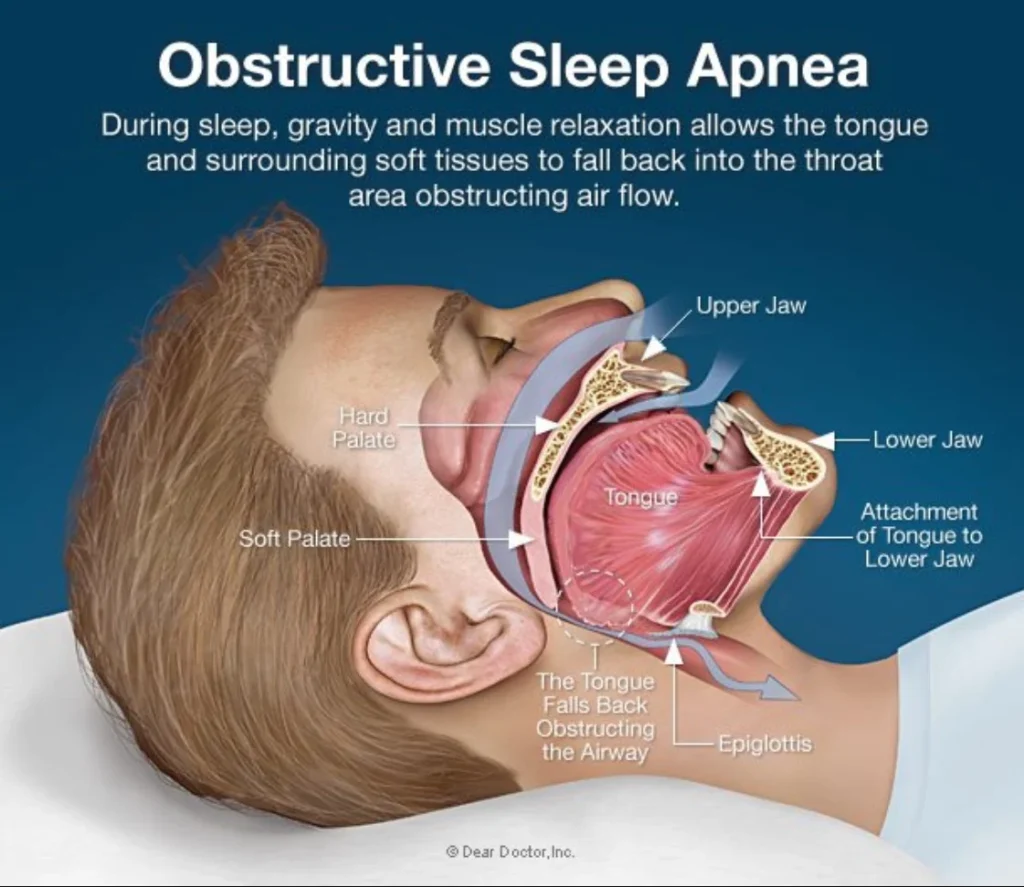
Snoring usually comes from vibration in the upper airway as air tries to move through a narrowed space. That narrowing can be influenced by sleep position, nasal congestion, alcohol, weight changes, and jaw/tongue posture.
Some headlines keep circling the same point: nasal airflow devices have been studied, sinus and nasal conditions can affect sleep, and sleep apnea symptoms deserve respect. Translation: there isn’t one universal fix, but there are logical levers to pull.
If you want a general read on research conversations around nasal devices, see this Clinical Effectiveness of Nasal Dilators in Sleep-Disordered Breathing: A Systematic Review and Meta-Analysis.
Why this is showing up right now (timing)
Snoring talk spikes when people are stressed, traveling, or burned out. That’s not random. Late nights, hotel pillows, dry air, and irregular routines can all make snoring louder.
It’s also a relationship issue before it’s a health project. People joke about “sleep divorces,” but the real cost is fragmented sleep for both partners. Then the next day turns into caffeine, irritability, and a second wind at midnight. The loop continues.
What you’ll need (supplies) to test a mouthpiece the right way
- Anti-snoring mouthpiece that matches your comfort needs (some add a chinstrap for mouth-breathers).
- Mirror for fit checks.
- Mild soap and a soft brush for cleaning.
- Case that vents (avoid sealing a wet device).
- Simple tracker: notes app, sleep diary, or your wearable’s trend view.
If you want a combined option, here’s a product example: anti snoring mouthpiece.
The ICI method: fit it, wear it, review it (step-by-step)
Think ICI: Insert, Comfort-check, Inspect results. Keep it simple and repeatable.
1) Insert: start with a calm, awake fit
Fit the mouthpiece before you’re half-asleep. Use a mirror. Your goal is stable placement without clenching.
If the device is adjustable, change only one setting at a time. Big jumps often backfire with soreness.
2) Comfort-check: focus on jaw position and breathing
Close your lips gently and breathe through your nose for a few breaths. If nasal breathing is tough that night, don’t force it. Comfort drives consistency.
Do a quick jaw scan. You want “supported,” not “strained.” If you feel sharp pressure on teeth or gums, stop and reassess the fit.
3) Inspect results: measure what matters the next morning
- Partner feedback: quieter, same, or worse?
- Sleep continuity: fewer wake-ups or still fragmented?
- Daytime function: less groggy, fewer headaches, better focus?
Give it a fair trial. One night is noise. A week of notes shows a pattern.
4) Cleanup: stop the “funk” before it starts
Rinse after each use. Clean with mild soap and a soft brush. Let it dry fully in a ventilated case.
Skipping cleaning turns a sleep tool into a bacteria hotel. That can irritate gums and make you quit early.
Common mistakes that make mouthpieces fail
- Over-advancing too fast: chasing an instant fix can create jaw pain and ruins adherence.
- Ignoring nasal blockage: if you’re chronically congested, snoring can persist even with good jaw positioning.
- Using it “sometimes”: inconsistency makes it hard to tell if it works and harder to adapt.
- Not checking for red flags: loud snoring plus choking/gasping or heavy daytime sleepiness needs medical attention.
- Falling for trend hacks: if a trick feels extreme or uncomfortable, it usually won’t last.
FAQ: fast answers on snoring, sleep quality, and mouthpieces
Is snoring always a health problem?
Not always. It can be a simple vibration issue from airflow, but loud, frequent snoring—especially with choking, gasping, or daytime sleepiness—can be a sign to get checked.
What’s the difference between a mouthpiece and a nasal dilator?
A mouthpiece targets jaw/tongue position to keep the airway more open. A nasal dilator focuses on nasal airflow. Some people use one, some combine approaches, and fit/comfort matter either way.
How long does it take to get used to an anti snoring mouthpiece?
Many people need a short adjustment period of several nights to a couple of weeks. Start gradually and prioritize comfort to improve consistency.
Can a mouthpiece help if I’m congested or have sinus issues?
It may still help, but nasal blockage can make any snoring solution harder. If congestion is frequent, addressing nasal breathing and discussing persistent symptoms with a clinician can be important.
When should I stop using a mouthpiece and talk to a clinician?
Stop and seek advice if you have jaw pain that persists, tooth movement concerns, gum irritation, or symptoms linked with sleep apnea such as choking/gasping, morning headaches, or severe daytime sleepiness.
Next step: get a quieter night without guessing
If snoring is hurting your sleep quality, pick one tool and run a clean test for a week. Track comfort, noise, and next-day energy. That’s how you avoid the gadget spiral.
How do anti-snoring mouthpieces work?
Medical disclaimer: This article is for general education only and is not medical advice. Snoring can be harmless, but it can also relate to sleep-disordered breathing. If you have symptoms of sleep apnea (gasping/choking, witnessed breathing pauses, significant daytime sleepiness, or morning headaches), or if you have persistent pain or dental changes with any oral device, talk with a qualified clinician.