
On a red-eye flight home, someone in 14B starts snoring before the seatbelt sign turns off. By the time you reach baggage claim, your phone is already serving you sleep gadget ads, relationship memes, and “one weird bedtime mistake” warnings.
That mix is basically the conversation right now: people want better sleep quality, they’re burned out at work, and they want a fix that doesn’t waste another week. If snoring is the nightly punchline in your household, an anti snoring mouthpiece may be one of the most practical tools to test.
Overview: why snoring is trending again (and why it matters)
Snoring isn’t just “noise.” It can fragment sleep for the snorer and anyone nearby. That means more groggy mornings, more irritability, and less patience for everything from meetings to parenting to travel recovery.
Recent chatter also points to the basics people forget: your sleep environment and routines can nudge snoring up or down. Some headlines have even joked that the bed itself can be part of the problem, with simple household tweaks getting attention. If you want the cultural reference, see this Your bed could be hiding the biggest causes of snoring, but help could be hidden in the freezer.
Still, if your snoring is consistent and your sleep feels unrefreshing, it’s smart to think bigger than hacks. The goal is quieter nights and better rest.
Timing: when to test changes so you don’t waste a sleep cycle
Pick a two-week window when your schedule is stable. Avoid launching a snoring “experiment” during heavy travel, deadline week, or a big fitness push. Those factors can muddy the results.
If you share a room, agree on a simple scorecard. Track two things: snoring volume (low/medium/high) and morning energy (1–10). Keep it quick so you actually do it.
Supplies: what to gather before you start
- Basic bedding reset: clean sheets, pillowcases, and a plan to reduce dust buildup.
- Hydration + nasal comfort: whatever helps you feel less dry at night (simple, not fancy).
- Phone notes or a sleep app: to log patterns, not to obsess over perfect scores.
- An anti-snoring mouthpiece: ideally one designed for comfort and adjustability.
If you’re comparing products, start with a clear target: comfort, fit, and consistency. Here are anti snoring mouthpiece to review before you commit.
Step-by-step (ICI): a practical mouthpiece trial that’s actually fair
I — Identify your likely snoring pattern
You don’t need a lab to notice trends. Do you snore mostly on your back? Is it worse after late meals, alcohol, or when you’re congested? Those clues help you choose what to try first.
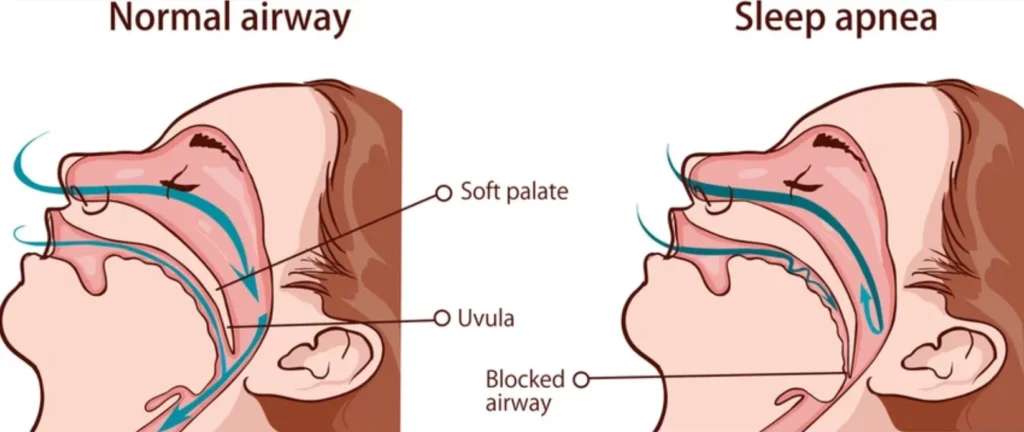
Also watch for red flags. If you wake up choking, gasping, or with heavy daytime sleepiness, don’t treat this like a gadget problem.
C — Calibrate your setup (bedroom + routine)
Before you blame your throat, clean up the environment. Fresh bedding and a less dusty sleep space can reduce irritation for some people. Keep the room cool and comfortable, and try to keep a consistent bedtime.
This is also where the “freezer” type of tips show up in social feeds. Treat them as optional comfort experiments, not guaranteed fixes.
I — Implement the mouthpiece trial
Follow the product instructions closely, especially if it’s moldable. Aim for a snug fit that doesn’t feel like you’re clenching all night.
Use it for several nights in a row. One night is usually not enough, because dryness, stress, and sleep position change day to day.
On nights 4–14, compare your scorecard. If snoring drops and you feel better, you have a signal worth building on. If pain shows up in your jaw or teeth, stop and reassess fit.
Mistakes that make snoring solutions flop (even when the product is fine)
Trying everything at once
New pillow, new mouthpiece, mouth tape, supplements, a different bedtime, and a “sleep tracker” all in one weekend? That’s a recipe for confusion. Change one or two variables so you can tell what helped.
Ignoring the bed-and-airway basics
A dusty room, old pillows, and inconsistent sleep hours can keep you stuck. People love high-tech sleep gadgets, but simple hygiene often sets the stage for success.
Chasing a viral “one mistake” headline
Health news often spotlights nighttime habits and risk in a dramatic way. Use that as motivation to take sleep seriously, not as a reason to panic. If you’re worried about your heart health or breathing at night, get personalized medical advice.
Powering through pain
A mouthpiece shouldn’t make you dread bedtime. Discomfort is a sign to adjust, pause, or switch approaches. You’re aiming for sustainable sleep, not a nightly endurance test.
FAQ: quick answers people are asking right now
Do anti-snoring mouthpieces work for everyone?
No. They can help in many cases, but snoring has multiple causes.
How fast should an anti snoring mouthpiece help?
You may notice changes quickly, but give it a short, consistent trial to judge comfort and results.
Is loud snoring the same as sleep apnea?
Not always. If you suspect apnea symptoms, seek evaluation.
Can my bed or bedroom setup make snoring worse?
Yes, it can contribute through comfort, allergens, and congestion triggers.
What’s the most common mistake people make with mouthpieces?
Rushing the fit and quitting too early, or wearing it despite jaw/tooth pain.
CTA: pick the lowest-effort next step tonight
If you want a budget-friendly plan, start with two moves: reset your bedding and run a short, consistent mouthpiece trial. You’ll learn more in 14 nights than you will from another month of scrolling sleep trends.
How do anti-snoring mouthpieces work?
Medical disclaimer: This article is for general education and is not medical advice. Snoring can be a sign of obstructive sleep apnea or other health issues. If you have breathing pauses, gasping, chest pain, severe daytime sleepiness, or concerns about cardiovascular risk, talk with a qualified clinician.