
The hotel room was quiet until it wasn’t. One person fell asleep in minutes after a long travel day. The other stared at the ceiling, counting the seconds between snores and debating whether to grab a pillow or book a different room.
That scene is everywhere right now. People are buying sleep trackers, testing “smart” alarms, and scrolling gadget roundups. At the same time, snoring is still the most analog problem in the room. If you’re searching for an anti snoring mouthpiece, you’re not alone.
The big picture: why snoring is suddenly a bigger deal
Snoring isn’t just a punchline. It can chip away at sleep quality for both partners, which spills into mood, focus, and patience. Add workplace burnout, nonstop screens, and travel fatigue, and even “normal” snoring feels like a nightly crisis.
It also explains why the anti-snoring device market keeps getting attention in Europe and beyond. More people want solutions that don’t require a full bedroom overhaul.
If you’ve been comparing products, you’ve probably seen lists like Europe Anti-snoring Device Market Size and Forecast 2025–2033. Those roundups are useful for categories and tradeoffs, even when your best fit is personal.
The emotional layer: it’s not just noise, it’s pressure
Snoring can create a weird kind of nightly performance anxiety. The snorer may feel blamed for something they can’t hear. The listener feels guilty for being angry about sleep.
That’s why the “relationship humor” around snoring lands. It’s also why it stings. A simple plan helps: name the goal (“we both need real sleep”) and pick one change at a time.
Practical steps that actually move the needle
1) Start with the easiest pattern checks
Before you buy anything, notice what’s consistent. Snoring that’s worse after alcohol, when sleeping on the back, or during congestion often points to fixable triggers. Keep it simple: a few notes for a week beats guessing forever.
2) Know what an anti-snoring mouthpiece is trying to do
Most anti-snoring mouthpieces aim to keep the airway more open by influencing jaw or tongue position. The concept is straightforward: less collapse, less vibration, less snore.
Fit matters more than hype. A mouthpiece that’s “almost” comfortable becomes the one you stop using by night four.
3) Consider combination support if mouth-breathing is part of it
Some people snore more when their mouth falls open. In that case, a chin strap can be a helpful add-on for certain sleepers. If you’re exploring that route, see this anti snoring mouthpiece for a bundled approach.
4) Build a “two-week trial” like a grown-up
Don’t judge a mouthpiece on night one. Aim for a short, defined trial period with a clear pass/fail test:
- Did the snoring volume or frequency drop?
- Did both people sleep longer without waking?
- Any jaw soreness, tooth pain, or headaches?
If sleep improves and discomfort stays mild, you’re on the right track. If pain ramps up, stop and reassess.
Safety and testing: when to DIY vs when to get checked
Red flags that deserve medical attention
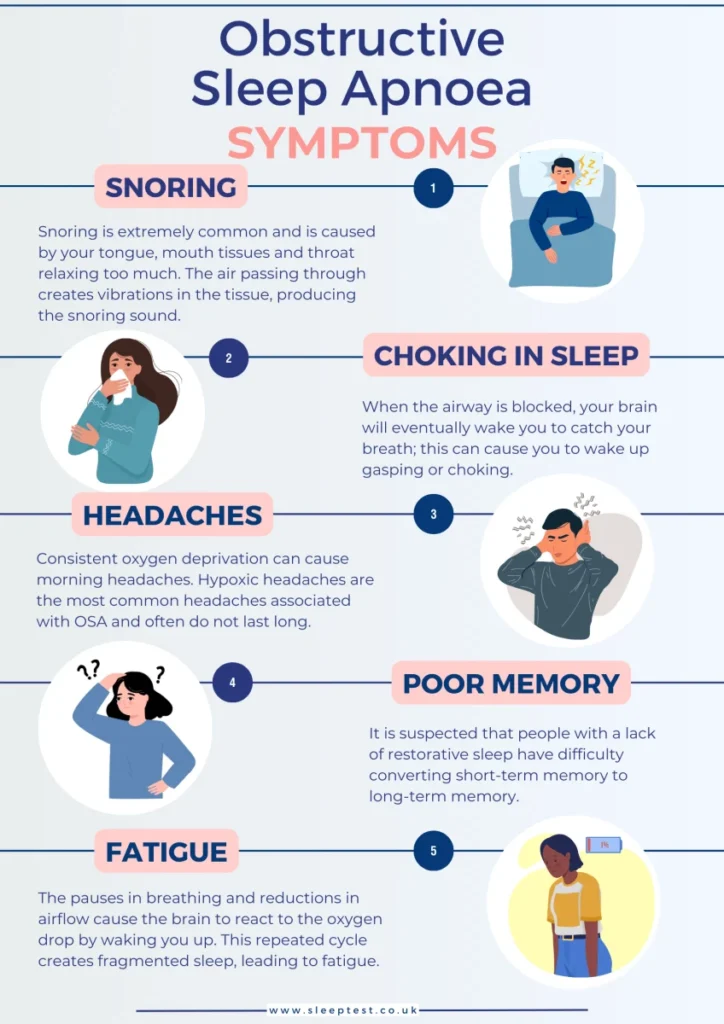
Snoring can coexist with more serious sleep-disordered breathing. Get evaluated if you notice choking/gasping, witnessed pauses in breathing, significant daytime sleepiness, morning headaches, or high blood pressure concerns.
Also, if you’re looking into sleep apnea documentation for work, insurance, or benefits, know that rules and ratings can be complex. Keep your focus on proper testing and clinical documentation rather than self-diagnosis.
When a mouthpiece may not be a great idea
Be cautious if you have TMJ issues, significant jaw pain, loose teeth, gum disease, or major dental work. Comfort is not a “nice to have” here. It’s a safety signal.
Medical disclaimer
This article is for general education and does not provide medical advice, diagnosis, or treatment. If you suspect sleep apnea or have persistent symptoms, talk with a qualified healthcare professional.
FAQ: quick answers before you buy
Do anti-snoring mouthpieces stop snoring immediately?
Sometimes you’ll notice a change fast, but many people need several nights to adjust. The better test is whether sleep quality improves over 1–2 weeks.
What if my partner says it’s “better,” but I feel worse?
Prioritize your own sleep and comfort too. Jaw pain, tooth pain, or more awakenings are signs the fit or approach may be wrong.
Can I use a mouthpiece when traveling?
Many people do because travel fatigue can make snoring worse. Clean it properly and store it in a ventilated case.
CTA: pick one next step tonight
If snoring is turning sleep into a nightly negotiation, choose a single experiment: a two-week mouthpiece trial, a back-sleeping reduction plan, or a medical screening if symptoms are strong. Momentum beats doom-scrolling.