
Snoring isn’t just “noise.” It’s a sleep-quality tax that shows up as brain fog, irritability, and that second coffee you didn’t want.
And yes—sleep gadgets are everywhere right now. So are hot takes about what actually works.
Thesis: If you want a practical, budget-friendly starting point, an anti snoring mouthpiece plus a few simple checks can beat buying another trendy sleep toy.
What people are talking about (and why it matters)
Sleep has become a cultural obsession. Wearables score you. Apps “coach” you. Travel fatigue gets labeled as a lifestyle problem instead of a schedule problem.
At the same time, clinicians keep repeating a basic message: sleep isn’t optional. It’s an active recovery window, not dead time.
Some recent coverage also pointed to nasal care as a possible helper in specific situations, including research discussions about saline nasal spray and children’s sleep-disordered breathing. If you want the broader context, see this Saline nasal spray found to ease sleep apnea symptoms in children.
The real cost: relationships, work, and your mood
Snoring jokes land because they’re familiar. One person “chainsaws,” the other person spirals at 2:00 a.m., and everybody pretends it’s fine at breakfast.
But the fallout is practical. Poor sleep can look like workplace burnout, short patience, and lower motivation to exercise or cook.
If you share a bed, the emotional part matters too. Resentment builds quickly when one person feels like they’re paying the price for the other person’s sleep.
Quick reality check: what’s driving your snoring?
You don’t need a lab to do a first-pass assessment. You do need honesty and a couple of nights of observation.
Common patterns that change your odds
- Back sleeping: Often increases snoring for many people.
- Nasal congestion/dryness: Can push you into mouth breathing, which can make snoring more likely.
- Alcohol close to bedtime: Often relaxes the airway and worsens snoring.
- Travel fatigue: Weird schedules, dry hotel air, and exhaustion can make snoring flare up.
Two simple at-home data points
- Record audio for 2–3 nights: Note when snoring peaks (early night vs. late night).
- Track how you feel: Morning headache, dry mouth, or unrefreshing sleep can signal more than “just snoring.”
Where an anti snoring mouthpiece fits (and why it’s trending)
An anti snoring mouthpiece is popular because it’s a direct, mechanical approach. It doesn’t rely on willpower, perfect routines, or a new subscription.
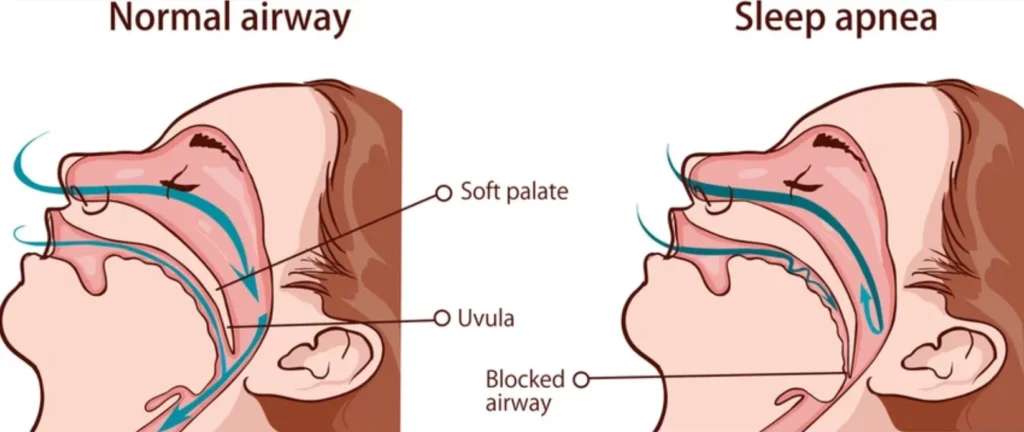
Most mouthpieces aim to improve airflow by changing jaw or tongue position during sleep. When it works, the benefit is simple: less vibration, less noise, and often better sleep continuity for both partners.
What to expect if you’re trying one on a budget
- Comfort is the make-or-break factor: A “works but you won’t wear it” device isn’t a win.
- Fit matters more than hype: A mediocre fit can mean drooling, sore teeth, or jaw tightness.
- Give it a fair trial: Many people need several nights to adapt.
If you’re comparing choices and want a straightforward starting point, review anti snoring mouthpiece and focus on comfort, adjustability, and clear cleaning instructions.
A no-waste testing plan (7 nights)
This keeps you from buying three products and still wondering what changed.
Nights 1–2: Baseline
- Record snoring audio.
- Write down alcohol timing, congestion, and sleep position.
Nights 3–6: Mouthpiece trial
- Use the mouthpiece consistently.
- Keep other variables steady (same pillow, similar bedtime).
- Note comfort, dry mouth, and any jaw stiffness.
Night 7: Compare
- Listen to recordings side-by-side.
- Ask your partner one simple question: “Did you sleep better?”
Safety, red flags, and when to get checked
Snoring can be harmless, but it can also overlap with sleep-disordered breathing. Don’t ignore symptoms that suggest your sleep quality is being medically disrupted.
Pause DIY and talk to a clinician if you notice:
- Choking/gasping sounds during sleep
- Breathing pauses witnessed by a partner
- Severe daytime sleepiness or drowsy driving
- High blood pressure concerns or morning headaches that persist
- Significant jaw pain, tooth pain, or bite changes with a mouthpiece
Medical disclaimer: This article is for general education only and isn’t medical advice. It does not diagnose, treat, or replace care from a qualified clinician. If you suspect sleep apnea (or if a child is snoring regularly), seek professional evaluation.
FAQ: fast answers before you spend money
Is snoring always a sleep apnea sign?
No. Many people snore without apnea. Still, loud or worsening snoring plus symptoms like gasping or heavy daytime sleepiness deserves attention.
Should I try nasal care too?
If congestion or dryness is part of your pattern, gentle nasal care may help. It’s not a one-size fix, and it won’t replace evaluation when red flags show up.
What’s the biggest mistake people make with mouthpieces?
Quitting after one uncomfortable night. A careful fit and a short adjustment period often matter as much as the device itself.