
Snoring isn’t just “noise.” It’s a nightly interruption that can turn eight hours in bed into a low-quality blur.
And lately, sleep talk is everywhere—new gadgets, “sleep optimization” trends, and those tired jokes about couples negotiating who gets the quiet side of the bed.
Bottom line: better sleep often starts with safer basics, and an anti snoring mouthpiece can be one practical tool—when you use it for the right reasons.
What people are buzzing about right now
Sleep has become a status symbol. People compare wearables, mouth tape, smart rings, sunrise alarms, and travel pillows like they’re tech specs.
At the same time, headlines keep circling a more serious theme: certain nighttime habits and poor sleep can stack risk over time, even in younger adults. Details vary by source, so treat social posts like prompts to review your routine, not medical proof.
Why snoring is suddenly a “relationship + workplace” topic
Burnout makes everything louder. When you’re running on fumes, small disruptions—like snoring, dry air, or a partner’s scrolling—hit harder.
Add travel fatigue and irregular schedules, and your sleep can become fragmented fast. Snoring often gets blamed first because it’s the most obvious sound in the room.
What matters medically (without the drama)
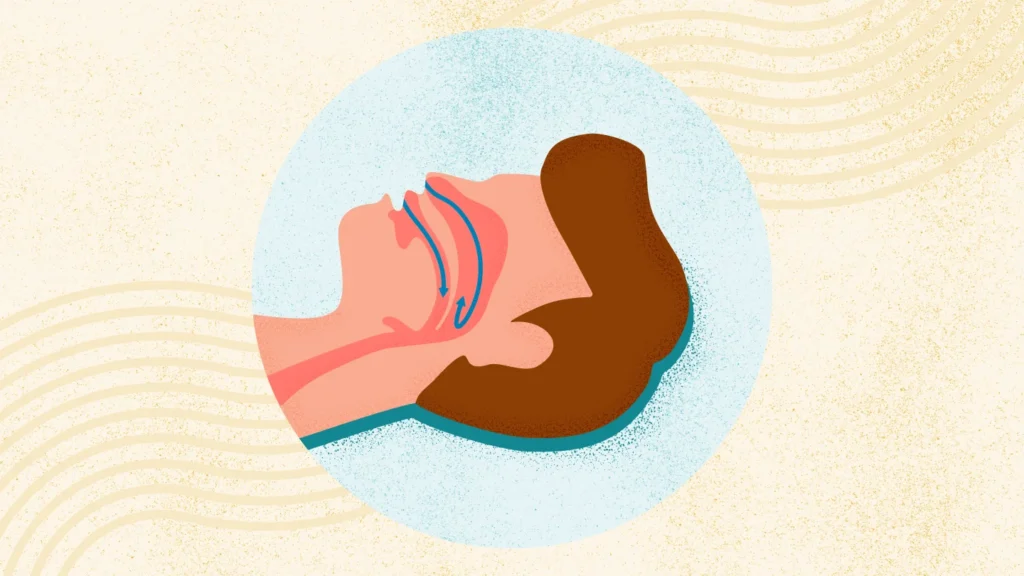
Snoring happens when airflow causes tissues in the upper airway to vibrate. It can be harmless, but it can also show up alongside sleep-disordered breathing.
One condition to know about is obstructive sleep apnea, which involves repeated breathing interruptions during sleep. For a plain-language overview of symptoms and causes, see this sleep apnea symptoms and causes resource.
Snoring clues that deserve attention
- Someone notices you stop breathing, choke, or gasp during sleep
- You wake with headaches, dry mouth, or a sore throat often
- You feel sleepy while driving, in meetings, or mid-conversation
- Your blood pressure is high or trending up
Snoring can also come from nasal congestion, alcohol close to bedtime, sleeping on your back, or weight changes. It’s usually a mix, not one single cause.
A quick note on scary-sounding headlines
You may have seen a recent story about a doctor pointing to a “night mistake” tied to higher heart risk in younger adults. If you want the general context, here’s a related search-style link: Doctor reveals ‘1 mistake at night’ that increases heart attack risk in 20s and 30s even if you are healthy | Health.
Use headlines as a nudge to protect sleep consistency, limit late-night disruptors, and get evaluated if symptoms suggest apnea. That’s the safest takeaway.
What you can try at home (simple, not obsessive)
If snoring is the problem you can hear, sleep quality is the problem you feel. Start with steps that reduce airway “crowding” and nighttime fragmentation.
Step 1: Clean up the easiest triggers
- Side-sleeping: Back-sleeping often worsens snoring for many people.
- Alcohol timing: If you drink, consider moving it earlier in the evening.
- Nasal support: Manage congestion and dry air; simple humidity changes can help some sleepers.
- Consistent schedule: Travel and late work nights can destabilize sleep and make snoring more noticeable.
Step 2: Consider an anti snoring mouthpiece—if your profile fits
Many anti-snoring mouthpieces aim to keep the lower jaw slightly forward to help maintain airflow. Others focus on tongue positioning.
If your snoring is positional and you wake up feeling “wired but tired,” a mouthpiece can be worth a structured trial. Look for comfort, retention, and whether it reduces both snoring volume and morning grogginess.
If you’re comparing options, start here: anti snoring mouthpiece.
Step 3: Run a two-week experiment (and track the right signals)
- Partner report: snoring frequency and loudness
- Your morning: headache, dry mouth, jaw soreness
- Your day: sleepiness, focus, irritability
Don’t chase perfection. You’re looking for meaningful improvement you can sustain.
When it’s time to get help (don’t DIY these)
Skip the “just buy another gadget” loop if red flags show up. Get medical guidance if you have loud nightly snoring plus choking/gasping, witnessed pauses, significant daytime sleepiness, or high blood pressure.
Also pause and ask a dentist or clinician if a mouthpiece causes ongoing jaw pain, tooth pain, or bite changes. Comfort matters, and so does safety.
FAQ: quick answers on mouthpieces and sleep health
Do anti-snoring mouthpieces work for everyone?
No. They often help some snorers, but results depend on anatomy, sleep position, congestion, and whether apnea is present.
Is loud snoring always sleep apnea?
No, but it can be a sign. Add choking/gasping, witnessed pauses, or heavy daytime sleepiness, and it’s smart to get evaluated.
How long does it take to get used to a mouthpiece?
Expect an adjustment period. Mild soreness can happen early on; persistent pain or bite changes are not something to push through.
Can a mouthpiece improve sleep quality?
It can if it reduces snoring and micro-awakenings. If you still feel unrefreshed, look beyond snoring alone.
Who should be cautious with over-the-counter mouthpieces?
Anyone with TMJ symptoms, unstable dental work, loose teeth, or gum disease should get professional input first.
CTA: make your next step easy
If snoring is affecting your sleep or your partner’s, start with one practical change and measure it for two weeks. If you want to understand the basics before buying anything, use the guide below.
How do anti-snoring mouthpieces work?
Medical disclaimer: This article is for general education and is not medical advice. It does not diagnose, treat, or replace care from a qualified clinician. If you suspect sleep apnea or have severe sleepiness, choking/gasping at night, or other concerning symptoms, seek medical evaluation.