
On a red-eye flight home, someone in 14C started snoring before the seatbelt sign turned off. By the time the cabin lights dimmed, half the row was awake, half was pretending to be. The next morning, the group chat turned it into relationship comedy—until the same people admitted they were exhausted at work.
That’s where snoring sits right now: part meme, part sleep-health wake-up call. If your sleep quality is sliding, an anti snoring mouthpiece is one of the most talked-about tools—alongside pillows, wearables, and other “sleep hacks.” Here’s the direct, no-fluff rundown.
What people are trying right now (and why it’s everywhere)
Snoring fixes are having a moment. You’ll see lists of “best” anti-snore devices, social posts about mouth tape, and product-style consumer reports that tell buyers to verify claims and research behind mandibular advancement devices (MADs).
Three trends keep showing up:
- Sleep gadgets as self-care. People track sleep scores, then chase the next fix when the score drops.
- Travel fatigue. Hotel beds, jet lag, alcohol, and congestion can make snoring worse for a few nights.
- Burnout and light sleep. When stress is high, tolerance for noise is low. Partners notice snoring faster.
If you want a general example of what’s being discussed in the news cycle, see this: SleepZee Anti-Snoring Mouthpiece Consumer Report: 2026 Analysis of Mandibular Advancement Device Research, Snoring Reduction Claims, and What Buyers Should Verify.
What matters for sleep health (not just noise)
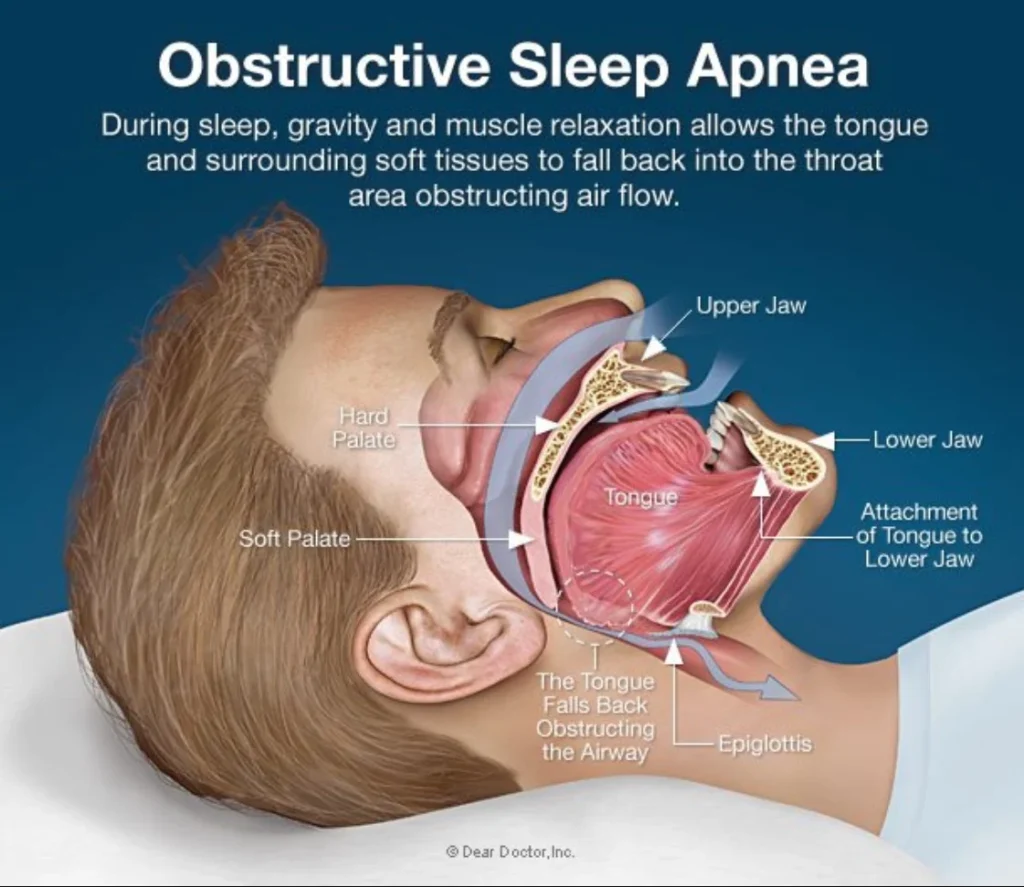
Snoring usually happens when airflow makes relaxed tissues in the throat vibrate. That can be just annoying—or it can be a clue that your airway is getting narrow during sleep.
Here’s why sleep quality takes the hit:
- Micro-wakeups. Even if you don’t remember waking, your body may keep shifting out of deeper sleep.
- Partner disruption. Two people sleeping poorly turns into daytime stress fast.
- Next-day effects. Grogginess, irritability, and “brain fog” can look like burnout.
Important: Loud, frequent snoring plus choking/gasping or witnessed pauses can be a sign of sleep-disordered breathing. That’s bigger than a gadget decision.
At-home trial plan: what to try first (simple, not obsessive)
If you want a practical starting point, run a short, structured test for 7–14 nights. Keep it simple so you can tell what’s actually helping.
Step 1: Pick one main intervention
Don’t change five things at once. Choose one:
- Position strategy: side-sleeping and a pillow that supports it.
- Nasal support: if you’re congested, focus on improving nasal airflow before you judge mouth-based tools.
- Mouthpiece route: consider a mandibular advancement-style device that gently holds the lower jaw forward.
Step 2: If you choose a mouthpiece, verify the basics
An anti-snoring mouthpiece is all about fit and tolerability. Before buying, check:
- Adjustability: small changes matter; “one position fits all” can be rough.
- Materials and comfort: you need something you can actually sleep in.
- Return policy: your mouth will have an opinion after a few nights.
- Dental considerations: existing TMJ pain, loose teeth, or major dental work should change your plan.
Step 3: Use quick, real-world tracking
Skip perfection. Track only:
- How many nights you used the intervention
- Partner rating (0–10) or “slept through / woke up”
- Your daytime sleepiness (low/medium/high)
If you’re shopping for a combined option, this anti snoring mouthpiece is one example people consider when mouth opening is part of the problem.
When to stop experimenting and get checked
DIY is fine for simple snoring. It’s not the move if symptoms suggest something more serious. Get medical advice if you notice:
- Breathing pauses, choking, or gasping during sleep
- Severe daytime sleepiness or near-miss drowsy driving
- Morning headaches, new mood changes, or concentration problems
- High blood pressure or heart risk factors plus heavy snoring
A clinician can help rule out obstructive sleep apnea and discuss options that match your anatomy and health history.
FAQ: quick answers people want before they buy
Can a mouthpiece improve sleep quality even if I still snore a little?
Possibly. Some people see fewer disruptions even if the sound isn’t fully gone. The goal is calmer breathing and fewer awakenings.
What if my partner snores and won’t do anything?
Make it about shared sleep, not blame. Offer a short “two-week trial” with one change and simple tracking. Keep it measurable.
Is snoring always caused by weight?
No. Anatomy, sleep position, alcohol, congestion, and jaw/tongue position can all contribute. Weight can be a factor, but it’s not the only one.
Can I combine an anti-snore pillow and a mouthpiece?
Many people do, especially if back-sleeping triggers snoring. Add one tool at a time so you know what helped.
CTA: get a clearer answer fast
If snoring is wrecking sleep at home (or on your next trip), start with one change you can stick with. If you want to learn the mechanism before you buy anything, click below.
How do anti-snoring mouthpieces work?
Medical disclaimer: This article is for general education only and isn’t medical advice. It does not diagnose, treat, or replace care from a qualified clinician. If you have symptoms like breathing pauses, choking/gasping, or severe daytime sleepiness, seek professional evaluation.