
Is your snoring getting worse—or just getting noticed more?
Are sleep gadgets (rings, apps, mouth tape) making you more anxious than rested?
Do you want one practical step you can try without turning bedtime into a science project?
Yes, snoring is having a moment. Between wearable sleep scores, travel fatigue, and the very real “who’s sleeping on the couch tonight?” relationship jokes, people are hunting for fixes that feel simple. An anti snoring mouthpiece is one of the most talked-about tools because it’s mechanical, repeatable, and doesn’t rely on perfect willpower at 2 a.m.
What people are talking about right now (and why)
Sleep coverage lately has been a mix of wellness trends and reality checks. You’ll see headlines that connect snoring with broader health topics (including nutrient status), alongside explainers that warn not to confuse everyday snoring with possible sleep apnea.
At the same time, product roundups and “doctor tips” lists are everywhere. That’s not surprising. Burnout is common, travel is back, and many people want a fix that doesn’t require a full bedroom overhaul.
If you’re curious about the broader conversation linking snoring with general health factors, here’s a relevant reference: Snoring at night? Low vitamin D might be playing a role.
What matters medically (no hype, just signals)
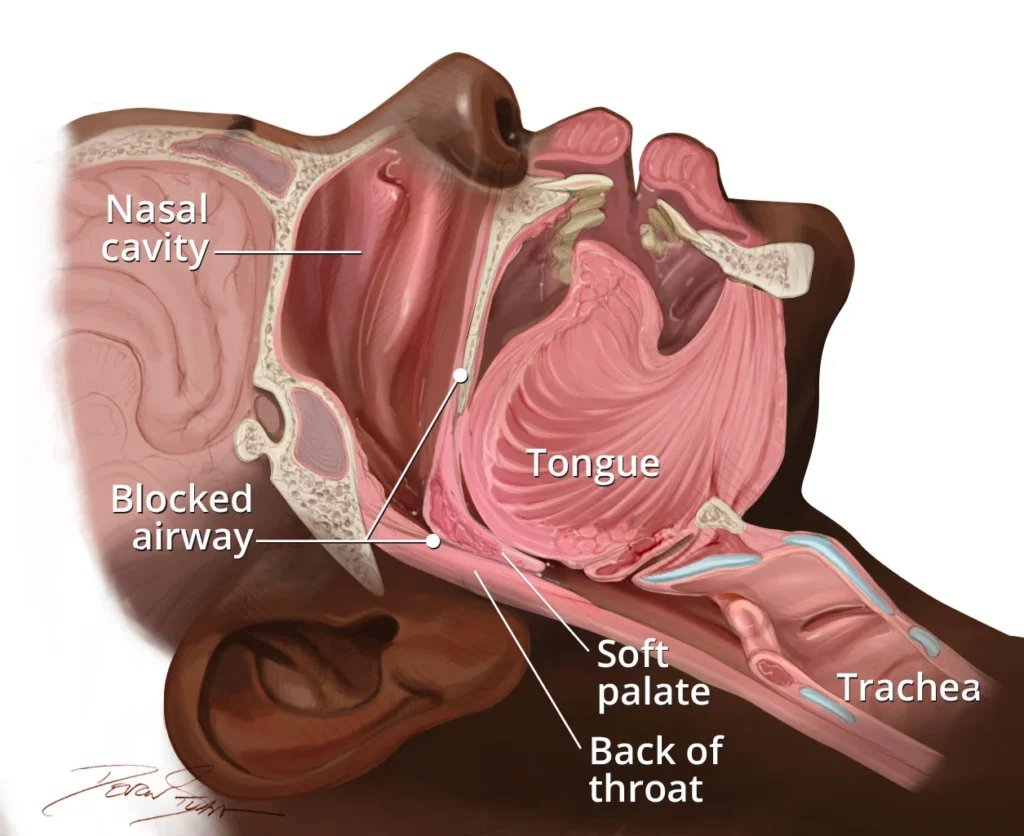
Snoring usually happens when airflow becomes turbulent as tissues in the throat relax during sleep. That turbulence creates vibration. It can be louder when your airway is narrower due to position, congestion, alcohol, or anatomy.
Here’s the key: snoring is not the same as sleep apnea. But they can overlap. Sleep apnea involves repeated breathing disruptions, and it can affect oxygen levels and sleep quality.
Clues that your snoring is more than “annoying noise”
- Witnessed pauses in breathing, choking, or gasping
- Waking with headaches, dry mouth, or a racing heart
- Strong daytime sleepiness, brain fog, or irritability
- High blood pressure or other cardiometabolic risk factors
If those show up, don’t just shop for gadgets. Get assessed.
How to try at home (a focused, low-drama plan)
Pick one change at a time. Otherwise, you won’t know what helped. Use this order because it’s simple and measurable.
Step 1: Reduce “airway friction” tonight
- Side-sleep if you can. Back-sleeping often worsens snoring.
- Protect nasal airflow: address temporary congestion and keep your bedroom air from getting too dry.
- Time alcohol earlier. Many people notice louder snoring after late drinks.
Step 2: Consider an anti snoring mouthpiece (how it helps)
Most anti-snoring mouthpieces aim to improve airflow by changing positioning. Common designs include:
- Mandibular advancement-style: encourages the lower jaw forward to help keep the airway more open.
- Tongue positioning-style: helps keep the tongue from falling back.
Think of it like widening a kinked section of a hose. The goal is smoother airflow and less vibration.
Step 3: Comfort, positioning, and “ICI” basics
Most people quit because it feels awkward, not because it can’t work. Use an ICI mindset: Incremental, Comfort-first, Inspect-and-improve.
- Incremental: wear it for short periods before sleep for a few nights, then extend.
- Comfort-first: stop if you get sharp jaw pain, tooth pain, or headaches that persist.
- Inspect-and-improve: check fit, dryness, and any pressure points each morning.
Step 4: Pairing tools (when a chin strap is part of the plan)
Some people snore more when their mouth falls open. In that case, a chin strap may help support a closed-mouth posture while you focus on nasal breathing and positioning. If you want a combined option, see this: anti snoring mouthpiece.
Step 5: Cleanup that won’t ruin the routine
Keep it boring and consistent:
- Rinse after use.
- Brush gently with mild soap.
- Air-dry fully.
Skip hot water unless the product specifically allows it. Heat can warp materials.
When to seek help (and not just buy another gadget)
Get medical guidance if you suspect sleep apnea or if your sleep quality keeps sliding despite changes. Also reach out if you develop persistent jaw symptoms, tooth shifting concerns, or worsening morning pain.
If you’re using sleep trackers, treat the score as a clue, not a diagnosis. A low score can reflect stress, travel fatigue, late meals, or illness. It doesn’t tell you why you’re struggling.
FAQ
Do anti-snoring mouthpieces work for everyone?
No. They tend to help when snoring is related to jaw position and a narrowed airway, but results vary by anatomy, sleep position, and congestion.
Is snoring always a sign of sleep apnea?
No, but it can be. Loud, frequent snoring plus choking/gasping, witnessed breathing pauses, or severe daytime sleepiness should be checked by a clinician.
Is mouth tape a good alternative to a mouthpiece?
It’s a different approach and isn’t right for everyone. If you have nasal blockage, reflux at night, or possible sleep apnea, talk with a clinician before trying it.
How long does it take to get used to an anti-snoring mouthpiece?
Many people need several nights to a couple of weeks. Start gradually, focus on comfort, and stop if you get jaw pain, tooth pain, or headaches.
How do I clean an anti-snoring mouthpiece?
Rinse after each use, brush gently with mild soap, and let it air-dry. Avoid hot water that can warp materials; follow the product’s instructions.
Next step
If you want a straightforward explanation before you buy anything, start here:
How do anti-snoring mouthpieces work?
Medical disclaimer: This article is for general education only and is not medical advice. Snoring can have many causes, including conditions that require professional evaluation. If you suspect sleep apnea or have concerning symptoms, seek care from a qualified clinician.