
- Snoring is a sleep-quality problem, not just a punchline.
- Burnout and travel fatigue can make snoring feel louder and sleep feel lighter.
- Sleep gadgets are everywhere, but your airway still matters more than your app.
- An anti snoring mouthpiece can be a practical option for the right kind of snoring.
- If symptoms hint at sleep apnea, get evaluated instead of guessing.
The big picture: why snoring feels “everywhere” right now
Sleep has become a full-on cultural project. People compare scores from wearables, test new white-noise machines, and pack “sleep kits” for work trips. At the same time, schedules are messy. Late-night scrolling, early meetings, and long-haul travel can push your sleep into a fragile zone.
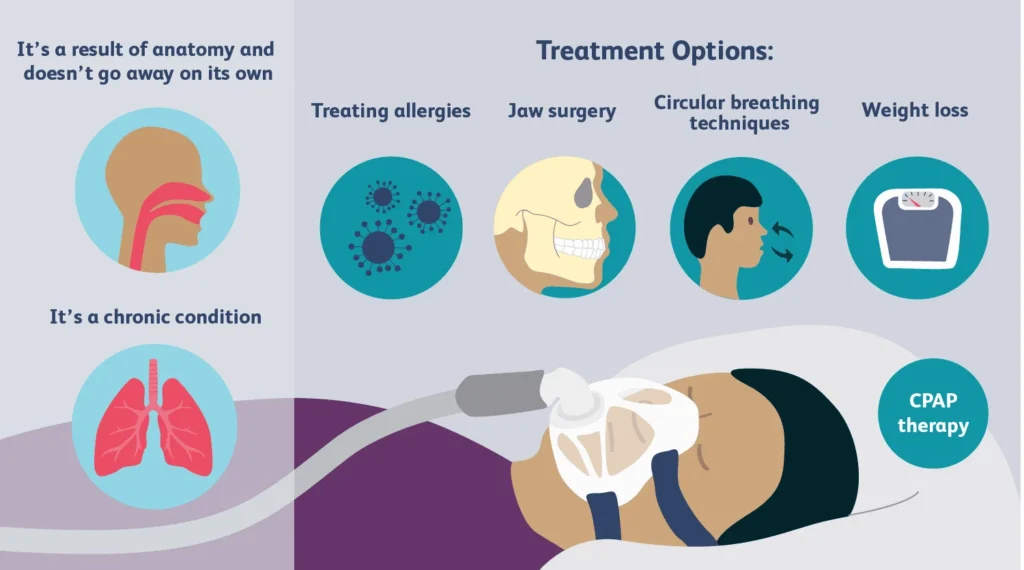
Snoring shows up fast in that kind of life. One rough week can turn “I only snore sometimes” into “we need separate pillows (or separate rooms).” It’s not dramatic. It’s just what happens when sleep quality drops and your body fights for air in less-than-ideal conditions.
What people are saying about diagnosis journeys (and why it matters)
Many snorers don’t start with a clear plan. They start with a nudge from a partner, a joke that stops being funny, or a new level of daytime fog. Stories about obstructive sleep apnea diagnosis journeys have been circulating, and the theme is consistent: people often normalize symptoms for years.
If you’re dealing with loud, persistent snoring, it helps to know the “line” between annoyance and a possible health issue. For a general reference point, see ‘I’m a sleep expert, these 4 tips will help you beat insomnia for good’.
The emotional side: relationships, embarrassment, and “sleep divorce” jokes
Snoring can feel personal, even when it’s not. The snorer may feel blamed. The partner may feel desperate. Add workplace burnout and you get a short fuse on both sides.
Relationship humor is common for a reason. People cope by joking about guest rooms and earplugs. Still, it’s worth treating the problem like a shared project: you’re both trying to protect sleep, mood, and health.
Practical steps that don’t overcomplicate your nights
1) Start with a quick pattern check
Before you buy another gadget, look for patterns you can actually act on. Does snoring spike after alcohol? Is it worse when you sleep on your back? Does it flare during allergy season or after a red-eye flight?
A simple note in your phone beats guessing. It also helps you choose the right next step.
2) Use “sleep basics” that support any device
General sleep advice trends for a reason: it’s boring, but it works for many people. Keep a consistent wind-down window, reduce late caffeine, and aim for a bedroom setup that stays cool and dark.
If insomnia is part of your story, focus on calming cues at night rather than forcing sleep. You want your body to associate bed with recovery, not pressure.
3) Where an anti snoring mouthpiece fits
An anti snoring mouthpiece (often a mandibular advancement style) is designed to support the jaw forward during sleep. That can help reduce tissue collapse and vibration that creates snoring for some people.
It’s especially appealing if you want something compact for travel, or if you’re tired of buying “miracle” gadgets that don’t address airway mechanics. If you’re comparing options, start here: anti snoring mouthpiece.
4) Don’t ignore weight, fitness, and overall health
Some headlines have highlighted the connection between weight changes and sleep apnea risk. That doesn’t mean weight is the only factor, and it’s not a moral issue. It’s just one variable that can affect airway anatomy and sleep breathing.
If body changes are part of your plan, keep it realistic and supportive. Better sleep often makes healthy routines easier, too.
Safety and “testing”: how to be smart about mouthpieces and snoring
Know what a mouthpiece can and can’t do
A mouthpiece may reduce snoring for some people. It is not a guaranteed fix, and it is not a substitute for evaluation when symptoms point to sleep apnea.
Also, comfort matters. Jaw soreness, tooth discomfort, or bite changes can happen with poorly fitted devices or inconsistent use. If you have dental work, jaw pain, or TMJ issues, check in with a dentist before using an oral appliance.
Connected care is trending, but you still need the right diagnosis
Newer oral appliances and “connected” sleep ecosystems are getting attention, including devices that fit into monitored care pathways. That trend is promising because it pushes sleep health toward clearer follow-up instead of DIY guessing.
Still, the core rule stands: if you suspect sleep apnea, get tested through appropriate medical channels. A tracker can’t replace that.
Red flags that deserve a clinician conversation
- Choking, gasping, or pauses in breathing noticed by a partner
- Excessive daytime sleepiness or drowsy driving risk
- Morning headaches, dry mouth, or frequent nighttime urination
- High blood pressure or heart risk factors (discuss with your clinician)
FAQ
Can an anti snoring mouthpiece help everyone?
Not everyone. Snoring has multiple causes. Mouthpieces often help when jaw position and airway narrowing play a role.
How long does it take to know if a mouthpiece is working?
Give it several nights to two weeks. Track snoring reports, how you feel in the morning, and whether you wake less.
Is loud snoring always sleep apnea?
No, but it can be a sign. If snoring comes with choking/gasping or major sleepiness, get evaluated.
Do sleep trackers prove you have sleep apnea?
No. They can suggest patterns, but they can’t diagnose. Proper testing is the reliable route.
What if I travel a lot and snore more on the road?
Travel disrupts routine and sleep position. Keep a consistent wind-down, watch alcohol, and consider a compact option like a mouthpiece.
Next step: get back to quiet, restorative sleep
If snoring is dragging down your sleep quality, you don’t need a dozen gadgets. You need a plan that matches your pattern and your comfort level. For many people, a mouthpiece is a simple, travel-friendly place to start.
How do anti-snoring mouthpieces work?
Medical disclaimer: This article is for general education only and is not medical advice. Snoring can be a sign of obstructive sleep apnea or other conditions. If you have concerning symptoms, seek evaluation from a qualified clinician.