
On a Sunday night, someone in a hotel room scrolls through “sleep hacks” while their partner jokes, “If you buy one more gadget, I’m checking into the room next door.” The suitcase is still half-unpacked. Work emails are queued. And the snoring? It’s loud enough to compete with the hallway ice machine.
That mix—travel fatigue, burnout, relationship humor, and a shopping cart full of sleep fixes—is exactly where the snoring conversation is right now. Let’s sort what’s trending from what helps sleep quality, and where an anti snoring mouthpiece can fit without overcomplicating your nights.
What people are trying right now (and why it’s everywhere)
Sleep gadgets are having a moment
Wearables, smart rings, and bedside trackers keep telling people they’re not getting enough deep sleep. That data can be motivating. It can also make you chase numbers instead of comfort.
If your “sleep score” drops on nights you snore (or your partner nudges you awake), that’s a practical clue: noise and airflow issues can fragment sleep even when you don’t fully remember waking.
Mouth tape is trending, but it’s not a one-size fix
Recent health coverage has pushed mouth taping into the mainstream. People like the idea of “training” themselves to breathe through the nose.
Still, mouth taping isn’t automatically safer or better than other options. If your nose is congested or you might have sleep apnea, taping can be a bad match. Comfort and airflow matter more than trends.
Anti-snore devices are being compared like headphones
Roundups and “best of” lists are making anti-snore devices feel like consumer tech. That’s helpful because it normalizes getting help. It’s also risky because your anatomy isn’t a product category.
Some people do well with positional changes or nasal support. Others need a device that changes jaw or tongue position. That’s where a mouthpiece can be relevant.
Vitamin D headlines are sparking curiosity
One headline making the rounds suggests a possible link between low vitamin D and snoring. It’s an interesting idea, and it fits the broader wellness trend of looking for “root causes.”
Keep expectations realistic. Snoring usually has multiple contributors—weight changes, alcohol, nasal blockage, sleep position, and airway anatomy. If you’re curious about the vitamin angle, use it as a prompt to ask better questions, not as a DIY diagnosis.
If you want to read the general coverage driving this conversation, here’s a relevant search-style source: Snoring at night? Low vitamin D might be playing a role.
What matters medically (without the fluff)
Snoring is vibration from a narrowed airway
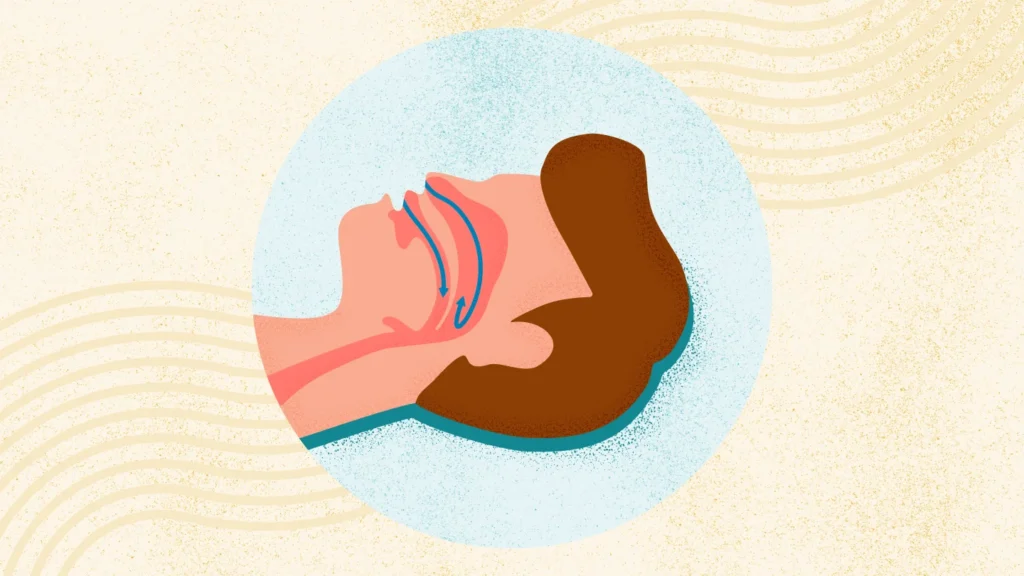
Snoring happens when airflow becomes turbulent and tissues in the throat vibrate. The “narrowing” can come from the tongue falling back, the jaw relaxing, nasal congestion, or sleeping on your back.
Snoring can be harmless. It can also be a sign of obstructive sleep apnea (OSA), where breathing repeatedly reduces or pauses during sleep.
Sleep quality is about continuity, not just hours
You can spend eight hours in bed and still feel wrecked if your sleep is fragmented. Loud snoring can disturb your partner. It can also trigger micro-awakenings for you, even if you don’t remember them.
Where an anti-snoring mouthpiece fits
An anti snoring mouthpiece usually works by gently positioning the lower jaw forward (mandibular advancement) or stabilizing the tongue. That can increase space in the airway and reduce vibration.
It’s often most relevant when snoring is worse on your back, worse after alcohol, or associated with a relaxed jaw and open-mouth sleeping.
What you can try at home this week (low drama, high signal)
Step 1: Do a two-night “pattern check”
Pick two typical nights. Note four things: sleep position, alcohol close to bedtime, nasal congestion, and how rested you feel the next day.
This isn’t about perfection. It’s about spotting your most obvious lever.
Step 2: Reduce the easy snore triggers
- Side-sleeping: A body pillow can help you stay off your back.
- Alcohol timing: Earlier is usually better than “right before bed.”
- Nasal support: If you’re congested, consider saline rinse or a clinician-approved approach.
- Bedroom setup: Cool, dark, and quiet helps both partners recover—especially during busy work stretches.
Step 3: If snoring seems jaw/tongue-related, consider a mouthpiece
If your snoring is loud, position-dependent, or paired with dry mouth, a mouthpiece may be worth testing. Look for designs meant for snoring (not sports guards), and prioritize comfort and fit.
Here are anti snoring mouthpiece to compare based on fit, adjustability, and intended use.
Step 4: Skip “stacking” too many trends at once
It’s tempting to combine mouth tape, a chin strap, a new pillow, supplements, and a mouthpiece in one night. That makes it hard to know what helped—or what caused discomfort.
Change one variable for 3–5 nights. Then reassess.
When to stop experimenting and get medical help
Self-testing is fine for uncomplicated snoring. Move to a clinician conversation sooner if any of these show up:
- Breathing pauses, choking, or gasping during sleep (reported by a partner or recorded)
- Significant daytime sleepiness, dozing while driving, or concentration problems
- Morning headaches or high blood pressure
- Snoring plus reflux symptoms or frequent nighttime waking
- Jaw pain, tooth pain, or bite changes with a mouthpiece
If sleep apnea is a possibility, a proper evaluation matters. Treating the right problem protects your long-term health and usually improves sleep quality faster than chasing hacks.
FAQ: quick answers people want before they buy
Can an anti-snoring mouthpiece help travel sleep?
Sometimes. Travel often adds congestion, alcohol, and back-sleeping in unfamiliar beds. A mouthpiece can help if your snoring is jaw/tongue-driven, but comfort is key when you’re already sleep-deprived.
Will a mouthpiece fix my partner’s sleep too?
If it reduces your snoring volume and frequency, it can improve your partner’s sleep. Many couples notice the biggest “relationship benefit” when the room gets quieter and nudging stops.
What if I can’t breathe well through my nose?
Address nasal congestion first. Mouth-focused tools may not solve a nasal airflow problem, and mouth taping is not a good idea if nasal breathing is limited.
Is snoring always a health issue?
No. But it can be a signal. Persistent loud snoring plus daytime symptoms is worth evaluating for sleep apnea.
Next step: learn how mouthpieces reduce snoring
Want the simple explanation before you commit to anything?
How do anti-snoring mouthpieces work?
Medical disclaimer: This article is for general education and is not medical advice. Snoring can have many causes, including obstructive sleep apnea. If you have severe symptoms, breathing pauses, chest pain, or significant daytime sleepiness, seek evaluation from a licensed clinician.