
On the third night of a work trip, “J” did the familiar hotel routine: blackout curtains, white-noise app, and a new sleep gadget bought at midnight. Ten minutes later, the room got quiet—until the snoring started. Their partner rolled over, laughed, and said, “We need a peace treaty.” The next morning, both felt wrecked, and the day’s meetings hit like a wall.
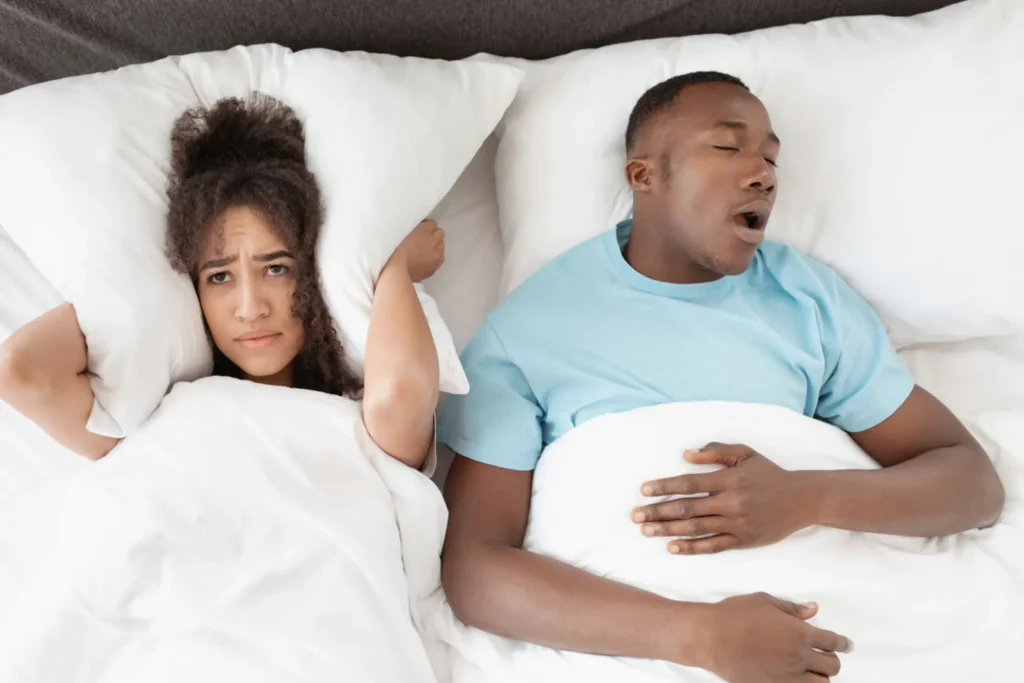
That’s the moment a lot of people are in right now. Sleep is a cultural obsession again—wearables, mouth tape debates, chin straps, and “doctor-approved” device lists. Under the humor is a real point: snoring can crush sleep quality, strain relationships, and sometimes signal something bigger than noise.
What people are trying right now (and why)
Snoring solutions are trending because the pain is immediate. Travel fatigue, late-night scrolling, and workplace burnout all make sleep feel fragile. When nights go sideways, people look for fast fixes that fit in a carry-on.
The gadget wave: straps, tape, trackers, and “best-of” lists
Recent coverage has highlighted a mix of options—chin straps and belts, mouth tape, and curated device roundups. The common theme is convenience. People want a low-effort tool that improves breathing and reduces the sound.
Trackers add fuel to the trend. If your wearable says you were “awake” 27 times, you’ll try almost anything. The problem is that not every device targets the same kind of snoring.
Why the conversation is shifting toward women’s sleep
More mainstream reporting has emphasized that sleep-disordered breathing can be missed in women. Symptoms may look like insomnia, fatigue, or mood changes rather than the classic stereotype. That shift matters because the “it’s just snoring” label can delay a real evaluation.
If you want a starting point for that angle, see this related coverage via Sleep Apnea Often Goes Undetected in Women. That’s Starting to Change.
What matters medically (without the hype)
Snoring happens when airflow meets resistance and tissues vibrate. That resistance can come from nasal congestion, throat anatomy, tongue position, alcohol, sleep position, or weight changes. Stress and sleep deprivation can also make snoring worse by changing muscle tone and sleep depth.
Snoring vs. sleep apnea: don’t blur them
Snoring can be “simple” snoring. It can also show up alongside obstructive sleep apnea, where breathing repeatedly reduces or stops during sleep. You can’t confirm apnea from a sound alone.
Pay attention to patterns. Loud snoring plus choking/gasping, witnessed pauses, morning headaches, or heavy daytime sleepiness is a different category than occasional snoring after a late dinner.
The hidden cost: sleep quality, not just noise
Even when snoring isn’t apnea, it can still wreck sleep. Fragmented sleep leads to poor focus, irritability, cravings, and that “wired but tired” feeling. In relationships, the resentment often builds faster than the fatigue.
Also note the broader health trend: headlines frequently connect nighttime habits with cardiovascular risk. You don’t need to panic, but you should treat persistent sleep disruption as a real health input—not a quirky personality trait.
What you can try at home (a practical sequence)
Keep this simple. You’re aiming for less airway resistance, better sleep continuity, and fewer “experiments” that you abandon after two nights.
Step 1: Reduce the easy triggers for a week
- Alcohol timing: If you drink, avoid it close to bedtime.
- Nasal basics: Address congestion (saline rinse, shower steam, allergen control). If you can’t breathe through your nose, every other strategy gets harder.
- Sleep position: Back-sleeping often worsens snoring for many people. Side-sleeping can help.
- Bedroom friction: Keep the room cool and reduce late-night screen time when you can.
Step 2: Choose one device category—don’t stack three at once
Here’s the plain-English breakdown:
- Anti-snoring mouthpieces (oral appliances): Often aim to keep the airway more open by adjusting jaw/tongue position. This is the category many people explore when position changes and nasal fixes aren’t enough.
- Chin straps: Typically focus on keeping the mouth closed. They may help some mouth-breathers, but they don’t automatically solve airway narrowing deeper in the throat.
- Mouth tape: A trending topic. It’s not a universal solution and can be unsafe for some people, especially if nasal breathing is limited. If you’re unsure, skip it and talk with a clinician.
Step 3: If you try an anti snoring mouthpiece, test it like a grown-up
An anti snoring mouthpiece is not a “set it and forget it” hack. Treat it like a short trial with clear checkpoints:
- Pick a goal: Fewer awakenings? Less partner disturbance? Better morning energy?
- Track two signals: Your sleepiness the next day and your partner’s report (or a simple audio recording).
- Watch for red flags: Jaw pain, tooth pain, bite changes, or headaches that persist.
If you want a single combined option to consider, see this anti snoring mouthpiece. Keep expectations realistic and prioritize comfort and consistency.
When to stop DIY and get checked
Self-tries make sense for mild, situational snoring. Get medical input sooner if the story fits sleep apnea or another sleep disorder.
Book an evaluation if any of these show up
- Choking, gasping, or witnessed breathing pauses
- High blood pressure or heart disease risk factors
- Severe daytime sleepiness, near-miss driving events, or concentration problems
- New or worsening snoring during pregnancy
- Persistent insomnia symptoms plus snoring (especially if you’re told it’s “just stress”)
One more point: if you’re a woman and your main complaint is fatigue, insomnia, or morning headaches, don’t let snoring get dismissed as background noise. Advocate for a real screening conversation.
FAQ: quick answers people want
Do anti-snoring mouthpieces work for everyone?
No. They’re often most helpful when jaw/tongue position contributes to snoring. They may not help if the main issue is nasal blockage or untreated sleep apnea.
What’s the difference between snoring and sleep apnea?
Snoring is vibration noise. Sleep apnea includes repeated breathing disruptions that can fragment sleep and affect health. A clinician can confirm with appropriate testing.
Is mouth tape a snoring solution?
It’s popular, but it’s not risk-free. If nasal breathing is limited, taping can feel distressing and may be unsafe. When in doubt, don’t use it without guidance.
How long does it take to get used to a mouthpiece?
It varies. Some people adapt in a few nights; others need a couple of weeks. Stop if you develop persistent pain, jaw clicking, or bite changes.
When should I talk to a clinician about snoring?
Go sooner if you have gasping, witnessed pauses, significant daytime sleepiness, or cardiometabolic risk factors. If your sleep is consistently unrefreshing, that’s enough reason to ask.
CTA: make your next step simple
If snoring is messing with your sleep quality, pick one approach and run a clean 10–14 day trial. Don’t chase every trend at once.
How do anti-snoring mouthpieces work?
Medical disclaimer: This article is for general education and does not provide medical advice, diagnosis, or treatment. If you suspect sleep apnea or have severe symptoms, consult a licensed clinician or a sleep specialist.