
At 2:13 a.m., someone on a work trip wakes up in a hotel room that suddenly feels way too quiet—until the snoring starts. Not a gentle purr. The kind that makes you wonder if the air conditioner is failing. In the morning, the group chat turns it into a joke, but the tired eyes at breakfast tell the real story.
That’s the vibe around sleep right now. People are swapping wearable stats, trying viral “sleep hacks,” and buying gadgets that promise a reset. Under the humor is a serious point: sleep quality shapes mood, focus, and how patient you feel with everyone you love.
Big picture: why snoring is suddenly everyone’s business
Snoring used to be a punchline. Now it’s a sleep-health signal people take more seriously, especially when burnout and always-on work schedules collide with travel fatigue. Add a partner who’s had it, and snoring becomes a relationship issue fast.
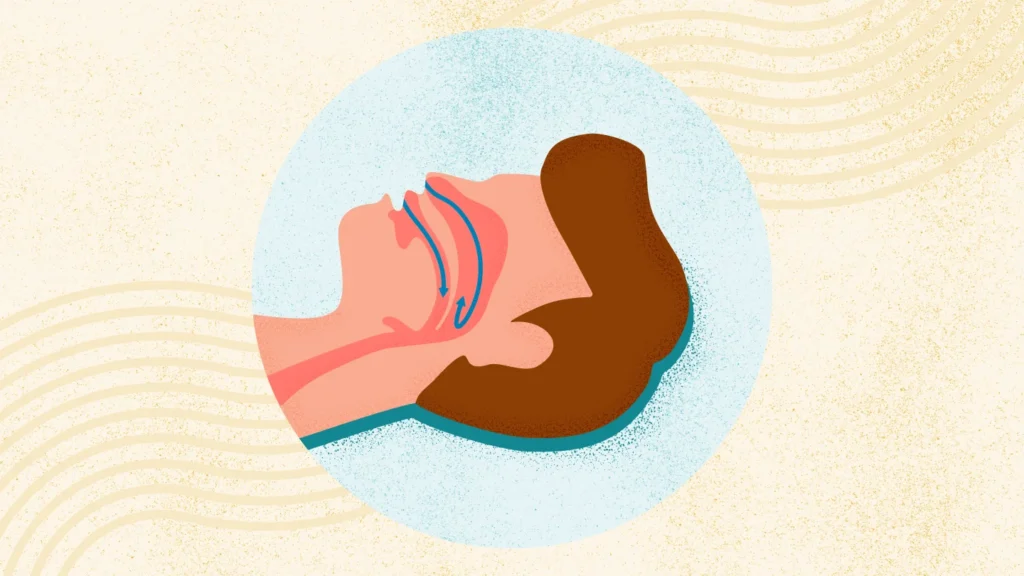
There’s also more awareness that snoring can sometimes overlap with sleep-disordered breathing. Not every snorer has sleep apnea, but the conversation has widened. If you’ve seen explainers on symptoms and causes, that’s why.
Meanwhile, the tech and health worlds keep pushing “connected” solutions. Some oral appliances have even been discussed in the context of FDA-cleared trials and care ecosystems. If you want a general reference point for that trend, see this Here are five behavioral and psychological tips for a fresh start toward better sleep in the new year, spanning five categories — sleep drive, circadian rhythm, sleep hygiene, overthinking and pre-bed activity. https://wapo.st/3MQgP1D.
The emotional layer: when snoring affects more than sleep
Snoring rarely stays private. It can trigger embarrassment for the person snoring and resentment for the person listening. That tension is common, and it doesn’t mean anyone is “overreacting.” It means sleep loss is powerful.
Also, many people are trying to improve mental well-being at the same time they’re trying to improve sleep. That pairing makes sense. When you’re depleted, everything feels harder—work, relationships, and even basic routines.
If this is hitting close to home, aim for teamwork. Treat snoring like a shared problem to solve, not a character flaw to debate at midnight.
Practical steps: what to try before you buy another gadget
Sleep advice in the news often circles the same themes: building sleep drive, protecting your circadian rhythm, tightening sleep hygiene, calming overthinking, and choosing better pre-bed activities. Those buckets are useful because they’re simple. They also help you avoid random “hack collecting.”
1) Set a “lights-out runway” (not a perfect bedtime)
Pick a short routine you can repeat even on travel days. Ten to twenty minutes is enough. Dim lights, put the phone on a charger out of reach, and do one low-stimulation activity (stretching, reading, a shower).
2) Reduce the stuff that crowds your airway
Snoring can get louder when your airway is already irritated or congested. Dry hotel air, seasonal allergies, and alcohol close to bedtime can all stack the deck. You don’t need to be extreme. Just notice patterns.
3) Try positional tweaks that don’t require willpower
Some people snore more on their back. If that’s you, simple changes can help—like a supportive pillow or a body pillow that makes side-sleeping easier. The goal is comfort, not wrestling yourself into a new pose.
4) When an anti snoring mouthpiece makes sense
If your snoring seems tied to how your jaw and tongue relax during sleep, an anti snoring mouthpiece may help by supporting the lower jaw forward and keeping airflow more open. Many people like mouthpieces because they’re not noisy, they travel well, and they don’t require charging.
If you’re comparing options, start with a reputable product category page like anti snoring mouthpiece. Focus on comfort, adjustability, and clear usage guidance.
Safety and testing: how to be smart (and not just hopeful)
Snoring products are everywhere, and trends move fast. You may have also seen debates about mouth taping. The bigger point: anything that changes your breathing during sleep deserves caution.
Check for red flags first
Talk with a clinician if you notice loud snoring plus choking/gasping, witnessed breathing pauses, morning headaches, or significant daytime sleepiness. Those can be signs of sleep apnea. Mouthpieces can play a role for some people, but you’ll want the right level of evaluation.
Do a two-week “results + comfort” trial
Don’t judge a mouthpiece on night one. Give yourself time to adapt, but track two things: (1) snoring feedback from a partner or an app, and (2) how your jaw and teeth feel in the morning. If soreness escalates or your bite feels off, stop and reassess.
Know who should be extra careful
Be cautious if you have TMJ pain, loose teeth, significant dental work, or chronic nasal obstruction. In those cases, professional guidance can prevent a small problem from becoming an expensive one.
Medical disclaimer: This article is for general education and does not provide medical advice or a diagnosis. If you suspect sleep apnea or have persistent snoring with daytime symptoms, talk with a qualified healthcare professional.
FAQ: quick answers people ask right now
Do anti-snoring mouthpieces work for everyone?
No. They often help when jaw/tongue position contributes to snoring, but results vary by anatomy and cause.
Is snoring always a sign of sleep apnea?
No, but it can be. Watch for pauses in breathing, gasping, or heavy daytime sleepiness and get checked.
Can I use a mouthpiece if I have jaw pain?
Use caution. Jaw soreness can happen. If you have TMJ issues, consider professional input before trying one.
Are connected-care oral appliances the same as OTC mouthpieces?
Not necessarily. Some appliances are discussed in the context of clinical pathways and monitoring, while OTC mouthpieces are typically self-managed.
Is mouth taping safe?
It’s a trend, but it may be risky for people with nasal blockage or possible sleep apnea. Get medical advice before trying it.
CTA: pick one next step tonight
If snoring is stealing your sleep (or your partner’s), keep it simple: tighten your pre-bed routine, test a positional change, and consider whether a mouthpiece fits your pattern.