
Is your snoring getting louder—or just more noticeable lately? Are sleep gadgets (mouth tape, trackers, “smart” pillows) worth it? And where does an anti snoring mouthpiece actually fit?
People are talking about sleep more than ever. Burnout, travel fatigue, and “biohacking” trends have made bedtime feel like a project. Add relationship humor about “who stole the blankets” and the snoring conversation gets real, fast.
This guide answers those three questions with a practical focus: tools and technique. That means ICI basics (instructions, comfort, and integration), positioning, and cleanup—so you can test a mouthpiece without turning your nightstand into a gadget lab.
Why does snoring feel like it’s everywhere right now?
Snoring isn’t new. What’s new is how often it shows up in daily life: sleep trackers flag “disturbances,” social media pushes quick fixes, and more couples are openly negotiating sleep setups.
Also, modern schedules don’t help. Late screens, early meetings, and frequent travel can stack sleep debt. When you’re overtired, you may sleep deeper in a way that makes snoring more likely or more intense.
Snoring vs. a bigger sleep problem
Not all snoring is the same. Some snoring is simple vibration from relaxed tissues. Other times, snoring can be a clue that breathing is repeatedly disrupted during sleep.
If you’re wondering about the line between “annoying” and “concerning,” this is a good place to start: Mouth Tape for Sleep: Benefits, Risks, and How to Use It Safely. It reflects the broader trend: people want simple solutions, but safety and fit matter.
What’s the simplest way to improve sleep quality if snoring is the issue?
Start with the basics that change airflow and vibration quickly. You want the highest-impact, lowest-effort steps first.
Positioning: the fastest “free” test
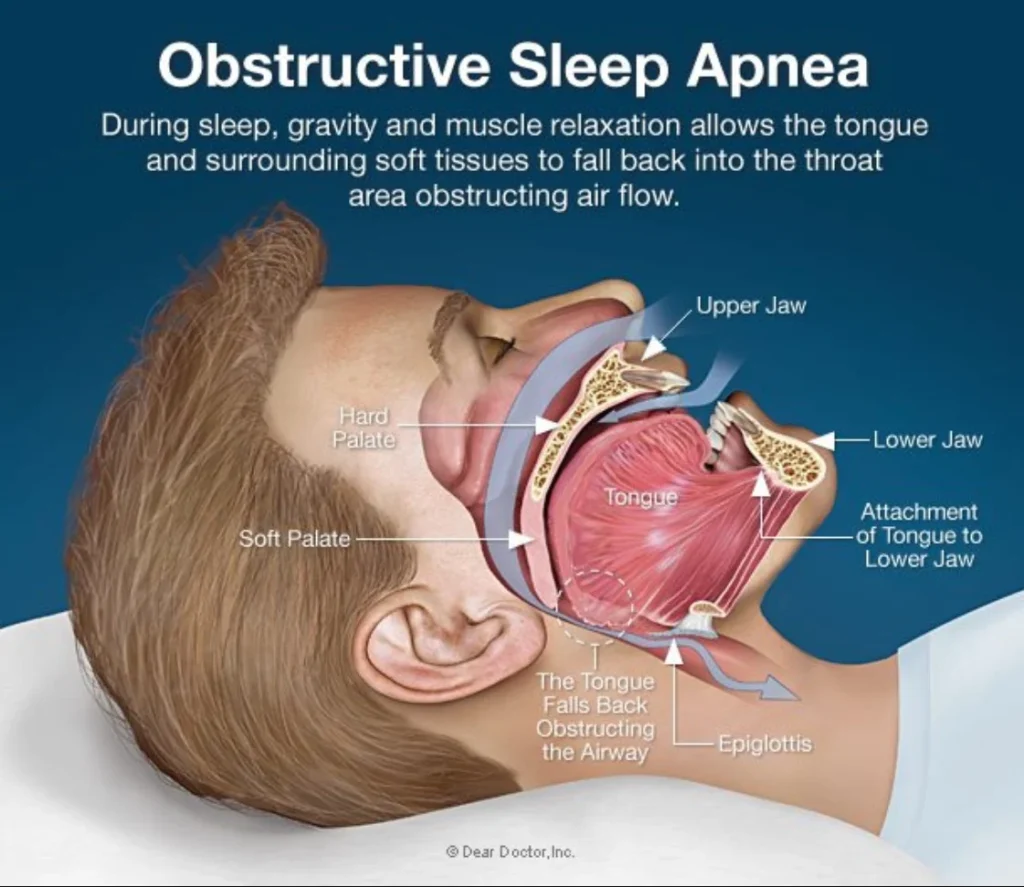
Back sleeping often makes snoring worse because the jaw and tongue can drift backward. Side sleeping can reduce that for many people.
If you’re testing changes, keep it simple for a week. Try a consistent side-sleep setup and note whether snoring volume or frequency changes.
Nasal comfort: don’t ignore it
Nasal congestion can push you toward mouth breathing. That can increase dryness and vibration. Gentle steps like managing bedroom humidity and addressing temporary congestion can help.
If you can’t breathe comfortably through your nose at night, be cautious with any approach that assumes nasal breathing will “just happen.”
Timing and triggers: the boring stuff that works
Alcohol close to bedtime, heavy late meals, and irregular sleep schedules can all worsen snoring for some people. Travel makes this worse: different pillows, dry hotel air, and fatigue.
Pick one trigger to adjust at a time. Otherwise, you won’t know what helped.
Do anti-snoring mouthpieces make sense—or are they just another sleep gadget?
A mouthpiece is one of the more direct, mechanical tools for snoring. Instead of “tracking” your sleep, it tries to change the anatomy that causes the sound.
Most anti-snoring mouthpieces fall into two broad types:
- Mandibular advancement: gently holds the lower jaw forward to help keep the airway more open.
- Tongue-retaining: helps keep the tongue from falling back.
If your snoring is strongly position-related or linked to jaw/tongue relaxation, a mouthpiece can be a reasonable next step after basic positioning and nasal comfort.
If you’re comparing products, start here: anti snoring mouthpiece.
ICI basics: instructions, comfort, integration
Instructions: Follow the fitting steps exactly. “Close enough” fit often becomes “why does this hurt?” by night three.
Comfort: Expect an adjustment period. Mild drooling or pressure can happen early on. Sharp pain, jaw locking, or tooth pain is a stop sign.
Integration: Pair the mouthpiece with a simple routine. Put it in after brushing, then keep water nearby. Don’t add three new sleep hacks the same week.
Micro-adjustments: small changes beat big jumps
Many people quit because they advance too aggressively or ignore hot spots. If your device allows adjustment, move in small increments and give each setting a few nights.
Comfort is not a bonus feature. It’s what makes consistent use possible, and consistency is what lets you judge results.
Cleanup: keep it easy so you’ll keep doing it
Rinse after use, then clean with a gentle brush and mild soap (unless the manufacturer says otherwise). Let it air-dry fully.
Avoid harsh cleaners that can degrade materials. If it starts to smell or look cloudy despite cleaning, check the care instructions and consider replacement timing.
What about mouth tape—should you try that instead?
Mouth tape is trending because it looks simple. But “simple” isn’t the same as “right for you.” If you can’t breathe well through your nose, taping your mouth can be uncomfortable or risky.
A mouthpiece and mouth tape do different jobs. A mouthpiece aims to change jaw/tongue position. Tape aims to keep lips closed. Neither is a substitute for medical evaluation if you have symptoms of sleep apnea.
Could snoring be sleep apnea (and how would you know)?
Snoring alone doesn’t diagnose anything. Still, some patterns deserve a closer look.
Red flags to take seriously
- Gasping, choking, or witnessed pauses in breathing
- Severe daytime sleepiness or dozing off unintentionally
- Morning headaches or dry mouth most days
- High blood pressure or heart risk factors
If these sound familiar, talk to a clinician about screening. A mouthpiece may still be part of a plan, but you’ll want the right diagnosis first.
How do you test an anti snoring mouthpiece without overthinking it?
Use a two-week trial with simple tracking. You’re looking for trend changes, not perfection.
A quick, realistic testing plan
- Nights 1–3: Focus on comfort and fit. Don’t judge results yet.
- Nights 4–10: Keep sleep schedule steady. Limit late alcohol if possible.
- Nights 11–14: Compare: fewer wake-ups, less partner disturbance, better morning energy.
If you share a room, ask for a simple rating (0–10) of snoring disruption. Relationship humor is fine. Consistent feedback is better.
FAQ: quick answers people ask before buying
Will a mouthpiece stop snoring immediately?
Sometimes you’ll notice a change quickly, but fit and adjustment often take several nights.
Is jaw soreness normal?
Mild soreness can happen early on. Significant pain, tooth pain, or bite changes are reasons to stop and get professional guidance.
Can I use one if I grind my teeth?
Some people do, but grinding can affect comfort and durability. If you suspect bruxism, ask a dentist what’s appropriate for you.
Next step: get a mouthpiece that you’ll actually wear
If snoring is hurting your sleep quality, the best tool is the one you can use consistently. Look for a design that prioritizes comfort, gradual adjustment, and easy cleaning.
How do anti-snoring mouthpieces work?
Medical disclaimer: This article is for general education only and is not medical advice. Snoring can have many causes, including sleep apnea. If you have breathing pauses, choking/gasping, marked daytime sleepiness, or other concerning symptoms, seek evaluation from a qualified clinician.