
Snoring isn’t just a “funny” nighttime soundtrack. It can turn mornings into a fog and nights into negotiations. If you’ve ever joked about sleeping on the couch, you’re not alone.
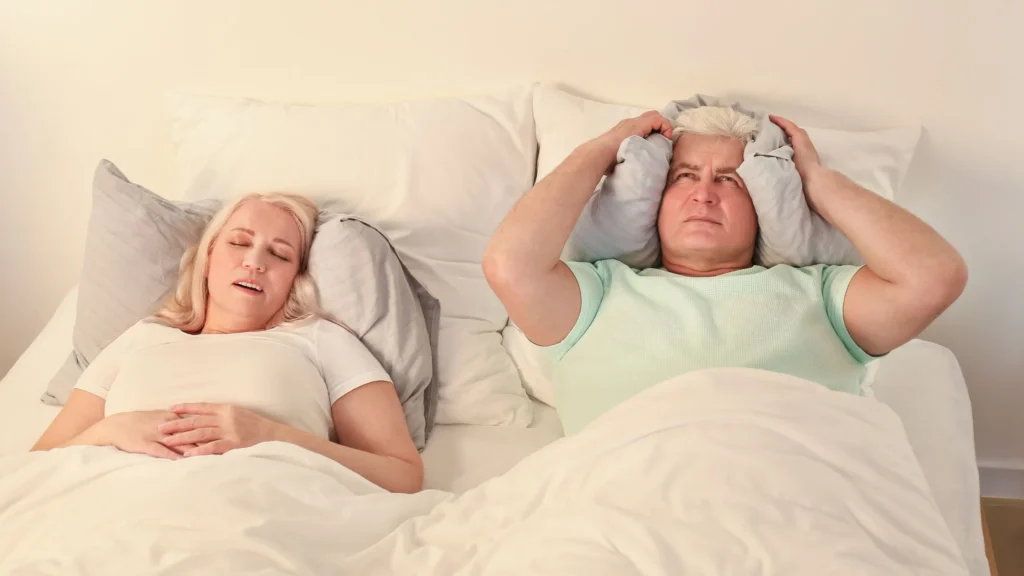
This guide helps you decide—fast—whether an anti snoring mouthpiece fits your situation, and what to do if it doesn’t.
Why snoring feels louder right now (and not just in your head)
Sleep has become a full-on culture topic. People are trying sleep trackers, sunrise alarms, white-noise apps, and even adult sleep coaching to cut through the internet’s endless advice.
At the same time, real life is rough on sleep. Travel fatigue, workplace burnout, and late-night scrolling can all nudge you into lighter, more fragmented sleep. When sleep quality drops, snoring complaints usually get louder—especially from the person next to you.
Start here: a quick “If…then…” decision guide
Snoring has multiple causes. The goal is to match the tool to the likely trigger, not to collect gadgets.
If your partner says the snoring is worst on your back… then try position + consider a mouthpiece
Back sleeping often makes the jaw and tongue fall back, narrowing the airway. That’s one reason mandibular advancement devices (MADs) are popular: they’re designed to hold the lower jaw slightly forward for some users.
If you’re seeing lots of chatter about newer designs and adjustability, that’s because device tech keeps evolving. For a high-level look at the conversation around innovation, see this ‘We cut through the online ocean of advice’: the rise of adult sleep coaching overview.
If you wake up with a dry mouth or your partner hears “open-mouth” snoring… then look at mouth breathing triggers first
Congestion, allergies, and room dryness can push you into mouth breathing. That can worsen snoring and make sleep feel less restorative.
Before you buy anything, tighten the basics: hydration, nasal comfort, and a consistent wind-down. If snoring still dominates, a mouthpiece may still help some people, but it works best when it’s not fighting an obvious blockage.
If the snoring arrived with travel, late nights, or more drinking… then treat it like a temporary flare
People often notice snoring spikes during work trips, holidays, or deadline weeks. Sleep debt changes muscle tone and sleep stages. Alcohol can also relax airway tissues.
In this case, you may not need a permanent solution. Try a short reset: earlier bedtime, less alcohol close to sleep, and side sleeping. If the snoring persists beyond the stressful season, move to a more structured option like a mouthpiece.
If you grind your teeth or wake with jaw soreness… then be cautious and prioritize fit
Some people clench or grind, especially under stress. A poorly fitting device can feel like adding pressure to pressure.
If you want to explore options, look for comfort features and a design meant for snoring support, not just tooth protection. You can compare choices here: anti snoring mouthpiece.
If there’s choking, gasping, or serious daytime sleepiness… then don’t self-manage
Snoring plus breathing pauses, gasping, morning headaches, or heavy daytime fatigue deserves medical attention. An oral device can be part of a plan for some people, but the first step is getting evaluated so you know what you’re treating.
Where an anti snoring mouthpiece fits in a “sleep health” plan
Think of a mouthpiece as one tool, not a personality. It can reduce noise for some people and protect relationship sleep. It can also reduce the nightly stress of “Will I wake them up again?”
That emotional load matters. Couples often do better when they treat snoring as a shared logistics problem, not a character flaw. Agree on a two-week trial window, define what “better” means (volume, wake-ups, morning energy), and check in without blame.
Quick expectations: what “better sleep quality” can look like
- Fewer awakenings: You and your partner stop popping awake at 2 a.m.
- Less resentment: Less joking about the guest room, more actual rest.
- More consistent mornings: You don’t feel like you’re dragging a suitcase full of fatigue into the day.
FAQ: common questions people ask before buying
Will I feel weird wearing it?
Probably at first. Many people need an adjustment period. Comfort is the make-or-break factor.
Can a mouthpiece replace other sleep gadgets?
Sometimes. If snoring is the main issue, reducing it may do more for sleep quality than adding another tracker.
What if my partner snores too?
You’re in good company. Solve it one person at a time, or you’ll both stay tired and annoyed.
Medical disclaimer (read this)
This article is for general information only and is not medical advice. Snoring can have different causes, and some require evaluation by a qualified clinician. If you have choking/gasping, breathing pauses, chest pain, severe daytime sleepiness, or worsening symptoms, seek medical care.
Next step: get a simple answer, then choose
If you’re ready to explore a snoring mouthpiece without getting lost in hype, start with the basics and pick an option designed for snoring support.