
On a recent red-eye, an exhausted traveler finally dozed off. Ten minutes later, the seatmate nudged them with that look that says, “Your snoring is doing laps around the cabin.” By baggage claim, the traveler was already pricing sleep gadgets on their phone and joking about sleeping alone forever.
That’s the vibe right now: people want better sleep fast. Wearables score your “readiness,” influencers pitch hacks, and couples trade snoring memes like relationship therapy. Under the humor, though, there’s a serious point: snoring can be a simple nuisance—or a sign you should screen for sleep-disordered breathing.
What people are talking about right now (and why)
Sleep has become a full-blown consumer category. You’ll see smart rings, nasal strips, white-noise machines, and apps that “grade” your night. You’ll also see backlash against risky trends, with more voices pushing practical basics over stunts.
At the same time, dentistry is more visibly part of the sleep conversation. Professional discussions have highlighted how dental approaches can play a role for some patients with obstructive sleep apnea, including oral appliance therapy and related innovations. If you want a general reference point for that discussion, see this link on January JADA outlines emerging dental therapies for obstructive sleep apnea.
Layer on workplace burnout and travel fatigue, and it makes sense that snoring solutions are trending. People aren’t just chasing quiet—they’re chasing deep sleep that actually restores energy.
What matters medically (snoring isn’t always “just snoring”)
Snoring happens when airflow makes soft tissues in the upper airway vibrate. That can be louder with nasal congestion, alcohol near bedtime, back-sleeping, or extra tissue around the airway. It can also show up with obstructive sleep apnea, where breathing repeatedly narrows or stops during sleep.
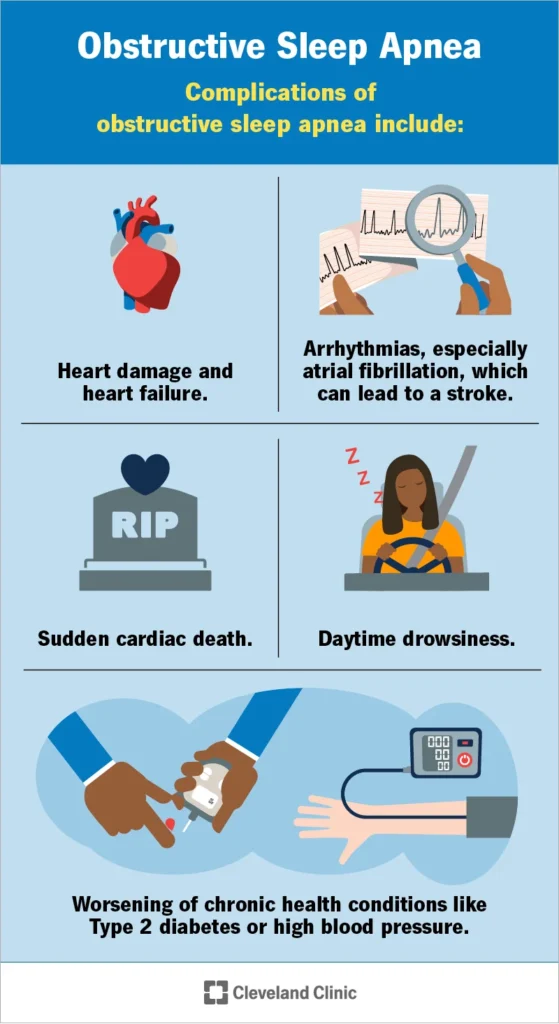
Why the caution? Because untreated sleep apnea has been linked with broader health risks, and it can affect daytime alertness. If you’re nodding off at work, feeling unrefreshed despite enough hours, or your partner reports choking/gasping or breathing pauses, treat that as a screening problem—not a gadget problem.
Weight can be part of the picture for some people, and lifestyle changes may help. Still, don’t assume weight is the only factor, and don’t self-diagnose. Your goal is to identify whether you’re dealing with simple snoring, sleep apnea, or a mix of issues.
How to try safer steps at home (low-risk first)
If your snoring seems mild and you don’t have red flags, start with changes that are low-cost and low-risk. Track what you did and how you felt the next day. That documentation helps you make smarter decisions and reduces the “random trial” problem.
1) Change position before you buy anything
Many people snore more on their back. Try side-sleeping strategies (body pillow, backpack-style positioning, or bed wedge experimentation) for a week. Keep it simple and consistent.
2) Clean up the last two hours before bed
Alcohol close to bedtime can worsen snoring for some people. Heavy meals late can also make sleep feel rough. If travel or shift work is involved, set one realistic rule you can keep (example: no alcohol within a set window, or a lighter late meal).
3) Address nasal airflow (without going extreme)
Nasal congestion can drive mouth breathing and louder snoring. Consider basics like humidification, gentle saline rinses, and allergy control as appropriate. Skip risky viral hacks if you can’t explain the downside to yourself in one sentence.
4) Where an anti snoring mouthpiece fits
An anti snoring mouthpiece is designed to help reduce snoring by supporting a more open airway during sleep—often by repositioning the jaw or stabilizing the tongue. It’s not the same thing as a random “sports mouthguard,” and it’s not a substitute for proper screening if you might have sleep apnea.
If you’re comparing options, start with a reputable product category and clear instructions. Here’s a practical place to review options: anti snoring mouthpiece.
Quick safety checklist (reduce risk, protect your bite)
- Don’t push through pain. Jaw soreness that worsens, tooth pain, or headaches are stop signs.
- Watch for bite changes. If your bite feels “off” in the morning and doesn’t normalize, pause use and consider professional input.
- Keep it clean and dry. Rinse and clean as directed to reduce irritation and odor buildup.
- Avoid if you have unstable dental work. Loose teeth, active gum disease, or significant TMJ symptoms deserve a dentist’s guidance first.
When to stop experimenting and get checked
Self-trying is fine for simple snoring. It’s not fine when safety signals show up. Seek medical evaluation (or a sleep specialist referral) if you notice any of the following:
- Witnessed breathing pauses, choking, or gasping during sleep
- Excessive daytime sleepiness, especially while driving or at work
- Morning headaches, dry mouth plus severe fatigue, or mood changes
- High blood pressure or heart concerns alongside loud snoring
- Snoring that is new, rapidly worsening, or paired with insomnia
If you’re considering an oral appliance and you have symptoms that suggest sleep apnea, a formal diagnosis matters. It helps match treatment to severity and documents your choices clearly.
FAQ: quick answers on snoring, sleep quality, and mouthpieces
Is snoring always a sign of sleep apnea?
No. Snoring can happen without sleep apnea, but loud, frequent snoring plus choking/gasping, pauses in breathing, or heavy daytime sleepiness should be screened.
What does an anti snoring mouthpiece actually do?
Many mouthpieces reposition the lower jaw or stabilize the tongue to help keep the airway more open during sleep, which may reduce vibration and noise.
Can a mouthpiece replace CPAP?
Sometimes an oral appliance is an option for certain people, but CPAP remains a standard therapy for many cases. A clinician should help match the tool to the diagnosis and severity.
Are boil-and-bite mouthpieces safe?
They can be safe for many adults when used as directed, but they may aggravate jaw pain, dental issues, or TMJ problems. Stop if you develop pain, bite changes, or loose teeth.
What’s a safer alternative to viral “sleep hacks” like mouth taping?
Start with lower-risk steps such as side-sleeping, reducing alcohol close to bedtime, treating nasal congestion, and keeping a consistent sleep schedule.
When should I talk to a dentist or sleep specialist?
If you have witnessed breathing pauses, morning headaches, high blood pressure, significant daytime sleepiness, or you fall asleep while driving or working, get evaluated promptly.
Next step: pick one change and document it
Snoring fixes fail when people try five things at once and can’t tell what worked. Choose one lever for seven nights. Log bedtime, alcohol timing, sleep position, and morning energy. Then decide if an oral appliance trial makes sense.
How do anti-snoring mouthpieces work?
Medical disclaimer: This article is for general education only and isn’t medical advice. It does not diagnose, treat, or replace care from a qualified clinician. If you suspect sleep apnea or have concerning symptoms, seek professional evaluation.