
On the third night of a work trip, an exhausted traveler finally falls asleep—only to get nudged awake by a partner who whispers, “You’re doing the chainsaw thing again.” The next morning brings puffy eyes, short tempers, and that familiar loop: buy a new sleep gadget, try a new hack, hope tonight is different.
Snoring is having a moment in the culture. People swap “sleep routines” like playlists. Others joke about separate bedrooms like it’s a relationship upgrade. Meanwhile, burnout makes every bad night feel louder than it used to.
Overview: why snoring messes with sleep (and the household)
Snoring isn’t just a sound problem. It can fragment sleep for the snorer and anyone nearby. That means worse mood, worse focus, and less resilience when your calendar is packed.
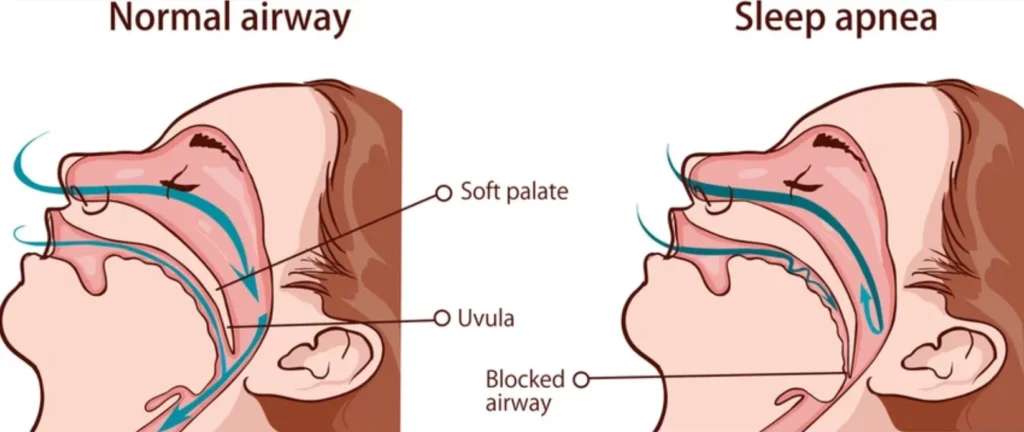
Sometimes, snoring is also a signal. If it comes with choking, gasping, or long pauses in breathing, it may point to sleep apnea. That deserves medical screening, not just a shopping cart fix.
If you want a general read on why sleep quality matters for long-term health, look up Improve Your Sleep Routine With This 10-3-2-1-0 Hack Tonight.
Timing: when to test changes so you can trust the results
Don’t change five things at once. If you do, you won’t know what helped. Pick a two-week window and keep it boring on purpose.
Good times to run a “snore experiment”
- After travel fatigue settles (give yourself 2–3 nights at home).
- During a stable work week (not your biggest deadline week).
- When you can keep alcohol and late meals consistent.
Simple tracking that doesn’t take over your life
- Morning note: rested / okay / wrecked.
- Partner note (if available): quiet / some snoring / loud snoring.
- Any red flags: gasping, headaches, extreme sleepiness.
Supplies: what you need (and what you can skip)
You don’t need a nightstand full of devices. Start with basics that reduce risk and help you document choices.
Essentials
- A consistent bedtime and wake time.
- A way to note outcomes (phone note, paper, whatever you’ll actually use).
- Snoring option #1: position changes (side sleeping support).
- Snoring option #2: an anti snoring mouthpiece if you’re a reasonable candidate.
Optional (use with caution)
- Sleep trackers: helpful for patterns, not perfect truth.
- Mouth taping: trendy, but not for everyone. Avoid if you can’t breathe well through your nose or you suspect sleep apnea.
Step-by-step (ICI): Identify → Choose → Implement
This is the no-drama plan. It’s built to lower risk, reduce guesswork, and keep you from chasing every new “tonight-only” hack.
1) Identify: screen for red flags before you buy fixes
- Stop and screen if you have choking/gasping, witnessed breathing pauses, severe daytime sleepiness, or morning headaches.
- If you have jaw pain, loose teeth, or major dental work, be cautious with oral devices and consider professional guidance.
- Write down what’s true for you. This is basic documentation and helps you make safer decisions.
2) Choose: match the tool to the likely cause
Snoring often shows up when airway tissues relax during sleep. For some people, jaw position plays a role. That’s where mouthpieces can make sense.
- Try sleep hygiene first if your snoring spikes with stress, late screens, alcohol, or irregular hours.
- Try positional changes if you snore mainly on your back.
- Consider a mouthpiece if you want a mechanical option that doesn’t rely on willpower at 2 a.m.
If you’re comparing options, you can review a anti snoring mouthpiece and see if that approach fits your needs and comfort preferences.
3) Implement: set it up like a real trial (not a one-night verdict)
- Night 1–3: short wear time before sleep to get used to the feel.
- Week 1: keep bedtime steady. Don’t add new supplements or new “sleep hacks” mid-week.
- Week 2: look for trends: fewer wake-ups, fewer partner nudges, better mornings.
Stop if you develop significant jaw pain, tooth pain, or bite changes. Comfort issues aren’t a “push through it” situation.
Mistakes that waste money (and sometimes raise risk)
Stacking trends without screening
It’s tempting to combine mouth taping, a new wearable, nasal strips, and a mouthpiece all at once. That can hide what’s working and can increase risk if you have breathing issues.
Ignoring the “relationship data”
Your partner’s report is real feedback. If the room is still shaking, you need a different plan. If the snoring is lower and mornings improve, stay consistent.
Treating possible sleep apnea like a DIY project
Snoring plus breathing pauses, gasping, or heavy daytime sleepiness should move you toward medical evaluation. A product can help some snorers, but it’s not a substitute for diagnosis and treatment when apnea is on the table.
FAQ
Do sleep hacks like “10-3-2-1-0” routines matter for snoring?
They can. A structured wind-down can reduce sleep fragmentation and make bedtime more consistent. It may not fix snoring by itself, but it often improves the baseline.
What if I only snore when I’m exhausted or traveling?
That pattern is common. Travel fatigue, alcohol, and back-sleeping can all make snoring worse. Run your two-week trial during a stable period, then re-test on a travel week.
Is an anti snoring mouthpiece the same as a sports mouthguard?
No. A sports mouthguard protects teeth from impact. Anti-snoring oral devices are designed to influence airflow and jaw/tongue position. Fit and comfort are key.
CTA: pick one change and document it
If snoring is wrecking sleep quality, don’t rely on guesswork. Screen for red flags, choose one tool, and track outcomes for two weeks.
How do anti-snoring mouthpieces work?
Medical disclaimer: This article is for general education only and is not medical advice. Snoring can be a symptom of sleep apnea or other health conditions. If you have choking/gasping during sleep, witnessed breathing pauses, chest pain, severe daytime sleepiness, or concerns about heart health, seek evaluation from a qualified clinician.