
- Snoring is often an airflow and positioning problem, not a “willpower” problem.
- Sleep gadgets are trending, but not every hack is low-risk (mouth taping is a hot example).
- An anti snoring mouthpiece can be a practical, repeatable tool when fit and comfort are prioritized.
- Better sleep quality usually comes from fewer micro-wakeups, not just a quieter room.
- If snoring comes with choking, gasping, or big daytime fatigue, get screened for sleep apnea.
Snoring has become a weird cultural punchline: couples negotiating “sleep divorces,” coworkers bragging about five-hour nights, and travelers trying to recover from red-eyes with whatever gadget the algorithm serves next. Meanwhile, clinicians keep reminding people that some trends can backfire, especially if they reduce airflow or mask a bigger issue.
This guide keeps it simple. We’ll zoom out, talk feelings (because snoring can be loaded), then move into practical steps, safety checks, and a clear next action.
The big picture: why snoring messes with sleep quality
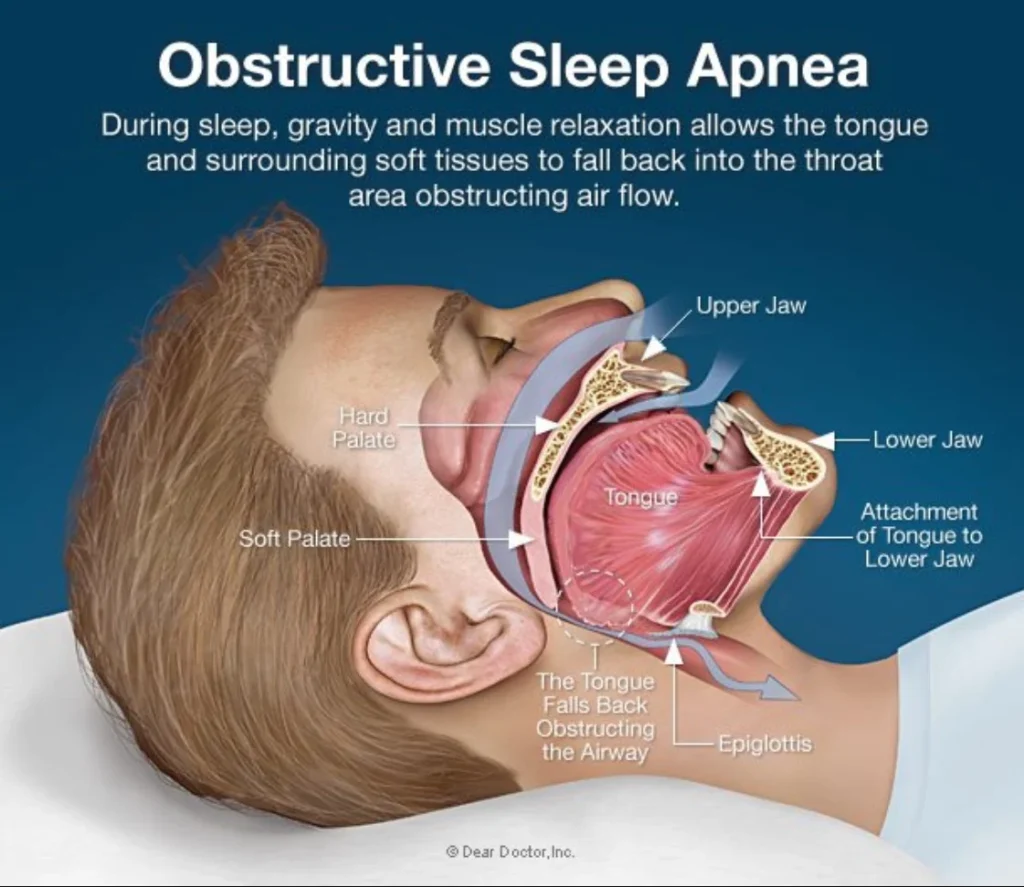
Snoring happens when soft tissues in the upper airway vibrate as air struggles to move smoothly. That friction can come from sleeping position, relaxed jaw posture, nasal congestion, alcohol, or plain anatomy. Even if you don’t fully wake up, your brain may keep doing tiny “check-ins” that fragment sleep.
That’s why snoring isn’t only a noise complaint. It can become a sleep quality problem for both people in the room. And lately, the conversation has expanded beyond earplugs into “biohacks,” wearables, and quick fixes.
Why the mouth-tape trend keeps popping up
People want a simple switch: tape the mouth, breathe through the nose, sleep better. The concern is that it’s not one-size-fits-all. If your nose is blocked, or you have reflux, allergies, or possible sleep-disordered breathing, restricting an exit route for air can be a bad trade.
For a general overview of the caution around this trend, see Why Doctors Say You Shouldn’t Tape Your Mouth Shut at Night.
The emotional side: snoring, relationships, and burnout
Snoring can feel personal even when it isn’t. The snorer may feel embarrassed or defensive. The partner may feel resentful after the fifth night of broken sleep. Add workplace burnout and travel fatigue, and patience gets thin fast.
A calmer frame helps: you’re not “failing at sleep.” You’re troubleshooting airflow, comfort, and consistency. That mindset makes it easier to pick a tool you can actually use every night.
Practical steps that make an anti snoring mouthpiece work better
An anti-snoring mouthpiece is not magic. It’s a positioning tool. The goal is to reduce collapse and vibration by improving airflow, often by gently supporting the jaw and keeping the mouth in a stable position.
Step 1: Do a quick pattern check (2 nights)
Before you buy anything, notice what changes your snoring:
- Back vs side: Many people snore more on their back.
- Alcohol or late meals: Both can worsen vibration and reflux.
- Congestion: A blocked nose pushes mouth breathing.
- Travel: Dry hotel air, jet lag, and odd pillows can amplify snoring.
This isn’t about perfection. It’s about choosing the right lever first.
Step 2: Choose comfort-first design (and be realistic)
People quit mouthpieces for two reasons: discomfort and inconsistency. Look for a design that supports your jaw position without feeling like a punishment. If you tend to drop your jaw open, a chinstrap paired with a mouthpiece can help some sleepers stay aligned.
If you want a combined option, consider an anti snoring mouthpiece.
Step 3: Use a simple “ICI” routine: Insert, Comfort, Inspect
- Insert: Put the device in the same way each night. Consistency improves adaptation.
- Comfort: Aim for secure, not tight. If you feel jaw strain, reassess fit and how far forward the jaw is held.
- Inspect: In the morning, check for sore spots, gum irritation, or unusual bite changes. Small issues early can become deal-breakers later.
Step 4: Positioning hacks that aren’t gimmicks
These support the mouthpiece instead of competing with it:
- Side-sleep setup: A pillow that keeps your head neutral helps airflow.
- Gentle nasal support: If you’re congested, addressing nasal comfort may reduce mouth breathing.
- Hydration and timing: Alcohol close to bed and dehydration often make nights louder.
Step 5: Cleanup that keeps you consistent
Make cleaning frictionless. Rinse after use, brush gently, and let it dry fully. Keep a case in your travel bag so a late flight doesn’t turn into “I’ll restart next week.”
Safety and testing: what to watch for (and when to stop)
Snoring overlaps with real medical issues. Don’t treat a device like a diagnosis. Use it as a tool while you stay alert to red flags.
Stop and get checked if you notice these signs
- Choking, gasping, or witnessed breathing pauses
- Morning headaches or high sleepiness despite time in bed
- High blood pressure concerns or new heart-related symptoms
- Jaw pain that persists, tooth pain, or bite changes
A safer approach than “viral hacks”
If you’re tempted by mouth taping because it sounds easy, pause and consider why it’s trending: it’s simple to explain, not always simple to do safely. If you can’t breathe comfortably through your nose while awake, you should not be restricting mouth breathing at night without clinician input.
Medical disclaimer: This article is for general education and does not provide medical advice, diagnosis, or treatment. If you suspect sleep apnea or have persistent symptoms, talk with a qualified clinician or a sleep specialist.
FAQ
What is an anti snoring mouthpiece?
It’s an oral device worn during sleep that helps reduce snoring by improving airflow, often by gently positioning the jaw or stabilizing the mouth.
Is mouth taping a good idea for snoring?
Many clinicians urge caution. If you have nasal blockage, reflux, or possible sleep apnea, taping can be risky. Talk with a clinician first.
How fast can a mouthpiece help with sleep quality?
Some people notice less noise and fewer wake-ups within a few nights. Comfort and fit usually improve over 1–2 weeks of consistent use.
Can snoring be a sign of sleep apnea?
Yes. Loud, frequent snoring plus choking/gasping, witnessed breathing pauses, or heavy daytime sleepiness should be evaluated by a clinician.
How do I clean an anti-snoring mouthpiece?
Rinse after use, brush gently with a soft toothbrush, and let it air-dry. Follow the product instructions and avoid harsh cleaners unless approved.
Next step
If your goal is quieter nights and fewer wake-ups, pick one tool you can use consistently and test it for two weeks. Track comfort, noise, and how you feel during the day.