
Will an anti snoring mouthpiece actually improve sleep quality?
Is viral mouth taping a smart shortcut or a safety risk?
When is snoring a nuisance—and when is it a sign to get screened?
Those three questions are everywhere right now. Sleep gadgets are trending, travel fatigue is real, and “who kept who awake” is still the oldest relationship joke in the book. Let’s sort what’s popular from what’s practical, with a strong focus on safety and smart screening.
Is mouth taping for snoring a safe trend?
Mouth taping has been popping up as a DIY fix. The idea is simple: keep the mouth closed, encourage nose breathing, and reduce snoring. Simple ideas can still carry risk.
If you can’t breathe well through your nose, taping can make you feel panicky or short of breath. It may also be a bad fit if you have reflux, frequent congestion, or you wake up gasping. If you’re curious about expert discussion around this trend, see this reference on Taping your mouth shut to stop snoring is a thing — but is it safe? Experts weigh in.
Safety note: anything that restricts airflow deserves extra caution. If you try any sleep “hack,” document what you used, how you felt, and stop if you notice dizziness, anxiety, or breathing discomfort.
Could your snoring be more than “just snoring”?
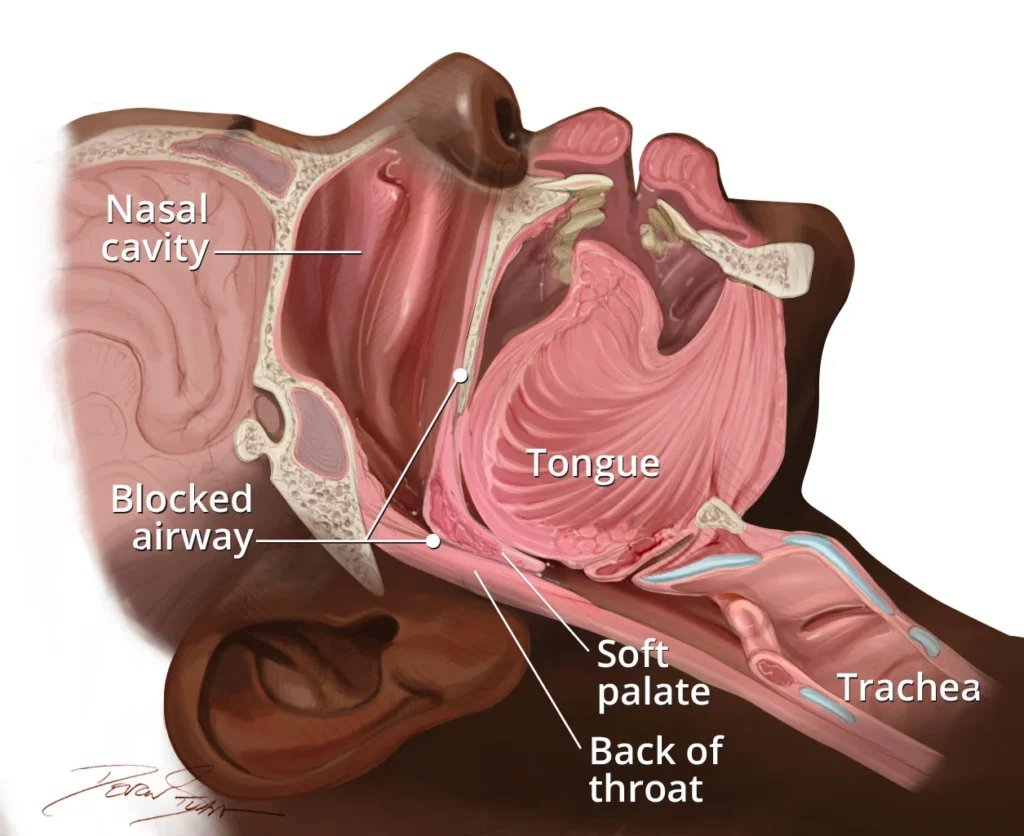
Some people snore because of sleep position, alcohol close to bedtime, nasal congestion, or anatomy. Others snore because their airway repeatedly narrows during sleep.
Consider getting screened if you notice any of these patterns:
- Snoring plus choking, gasping, or witnessed pauses in breathing
- Waking with headaches, dry mouth, or a racing heart
- Daytime sleepiness that affects driving, focus, or mood
- High irritability or “burnout” feelings that worsen with poor sleep
This is the part many people miss. You can buy every new sleep gadget on your feed and still feel wrecked if a breathing disorder is the real issue. Screening protects your health and also reduces the risk of relying on the wrong solution.
Where does an anti snoring mouthpiece fit in?
An anti snoring mouthpiece is often used to reduce snoring by supporting a more open airway. Many versions work by gently positioning the lower jaw forward. That can reduce the vibration that creates snoring sounds for some sleepers.
It’s not a magic wand. Still, it’s a common option because it’s non-surgical, portable, and easy to pair with other sleep-quality basics. It also fits the “travel fatigue” moment: hotel beds, red-eye flights, and time-zone shifts tend to amplify snoring complaints.
Who tends to do well with a mouthpiece?
- People whose snoring is worse on their back
- People who want a compact option for trips
- Couples who need a practical compromise (and fewer midnight nudges)
Who should pause and get guidance first?
- Anyone with likely sleep apnea symptoms
- People with significant jaw pain, TMJ issues, or loose dental work
- Those with chronic nasal obstruction (you’ll still want to address airflow)
How do you choose a safer mouthpiece (and use it responsibly)?
Sleep products are marketed hard right now. Reviews, rankings, and “best of” lists can help you compare features, but your body still gets the final vote.
Use this quick, low-drama checklist:
- Fit: it should feel secure without forcing your bite.
- Comfort: mild adjustment is common; sharp pain is not.
- Materials and cleaning: pick something you can clean daily and dry fully.
- Monitoring: track snoring reports, morning energy, and daytime sleepiness.
- Exit plan: if symptoms suggest apnea, switch from “experimenting” to “screening.”
Clean use matters. A mouthpiece sits in a warm, moist environment. That’s a perfect setup for funky buildup if you skip hygiene. Keeping it clean is not just about smell; it’s part of making a reasonable, defensible health choice.
What about mouthpieces plus other supports?
Some people like a combined approach, especially if mouth opening contributes to snoring. A mouthpiece paired with a chinstrap can feel more stable for certain sleepers.
If you’re comparing options, you can review an anti snoring mouthpiece to see whether that style matches your needs and comfort preferences.
How can you tell if it’s improving sleep quality?
Snoring volume is only one metric. Better sleep often shows up as better mornings.
Look for changes you can actually notice:
- Fewer wake-ups (yours and your partner’s)
- Less dry mouth and fewer morning headaches
- Improved focus and mood during the workday
- Less “I need three coffees to function” fatigue
If you use a sleep tracker, treat the numbers as supportive, not definitive. Trends over time matter more than a single night score.
FAQ
Is mouth taping safe for snoring?
It depends on your breathing, nasal airflow, and underlying risk factors. If you have possible apnea symptoms or nasal blockage, it may be unsafe. When in doubt, skip it and ask a clinician.
How does an anti snoring mouthpiece help?
Many designs gently bring the lower jaw forward to support a more open airway. That can reduce snoring for some people, especially when snoring is position-related.
What are signs snoring could be sleep apnea?
Pauses in breathing, gasping, loud snoring, morning headaches, and heavy daytime sleepiness are common red flags. Screening is the responsible next step.
Can a mouthpiece replace CPAP?
Sometimes an oral appliance is used under medical guidance, but it depends on your diagnosis and severity. Don’t self-replace prescribed therapy without clinician input.
How do I keep an anti-snoring mouthpiece clean?
Rinse after each use, brush gently, and let it dry completely. Replace it if it becomes damaged or won’t stay clean.
Next step: choose the option you can use consistently
Snoring fixes don’t have to be extreme to be effective. Start with safety, screen for red flags, then choose a tool you can actually stick with on weeknights and on the road.
How do anti-snoring mouthpieces work?
Medical disclaimer: This article is for general education only and isn’t medical advice. Snoring can have multiple causes, including sleep apnea. If you have choking/gasping, breathing pauses, severe daytime sleepiness, chest pain, or other concerning symptoms, seek medical evaluation.